Hyperbaric Oxygen Therapy: Recovery, Inflammation and Who It Helps
HBOT delivers oxygen under pressure so more of it dissolves into plasma and reaches tissue that is healing slowly. What a session is like, what the evidence supports, and how it fits a written protocol.
By Ageless Living Clinical TeamPhysicians, nurses and medical aestheticians across Langley, Victoria and Kelowna

Oxygen is carried almost entirely by haemoglobin, and haemoglobin is nearly full at sea level. Breathing more oxygen at normal pressure adds little. Under pressure, the physics change: oxygen dissolves directly into plasma in proportion to pressure, and plasma reaches places red blood cells struggle to, including inflamed, swollen or poorly supplied tissue. That is the principle behind hyperbaric oxygen therapy.
What the evidence supports
HBOT has long-established medical uses in wound healing, certain infections and radiation injury. The wellness applications we build protocols around draw on the same mechanism: enhanced circulation, reduced inflammation and support for tissue repair. Patients use it for slow recovery from surgery or injury, persistent aching and training loads the body is not clearing, post-illness fatigue, and, within a broader protocol, brain fog and poor sleep.
We are deliberately careful about claims. HBOT is an input to a plan, and a plan has a goal and a review date. If the goal is not being met at review, the protocol changes.
A session, honestly
- You settle into the chamber in comfortable clothes and can read, listen or rest.
- Pressure builds over several minutes. Ears feel it, like a plane descending; swallowing or yawning equalises them.
- The session runs sixty to ninety minutes. Most people find it restful.
- Decompression is gradual. Mild tiredness afterwards is common and passes.
How it fits a protocol
At Ageless Living, biohacking starts with a consultation that sets the goal before any technology is booked. HBOT is often sequenced with red light, PEMF and IV nutrients, and for nervous-system goals with NuCalm or neurofeedback. The written protocol names the cadence, typically several sessions a week for a defined block, the duration, and the date we sit down and measure whether it worked.
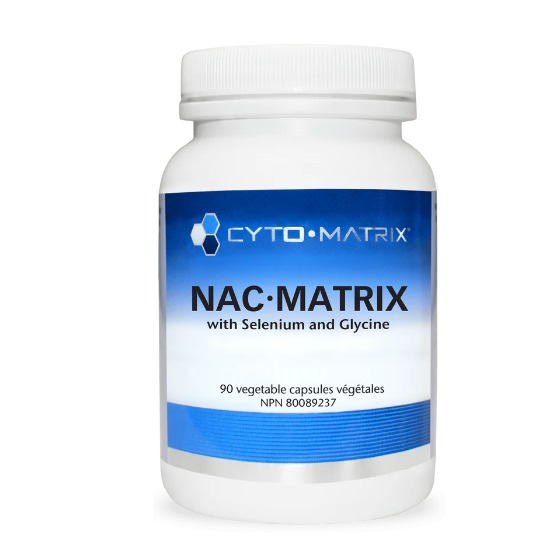
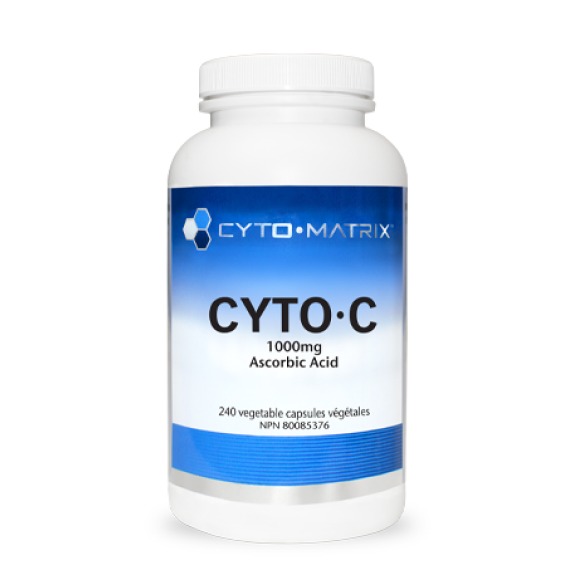
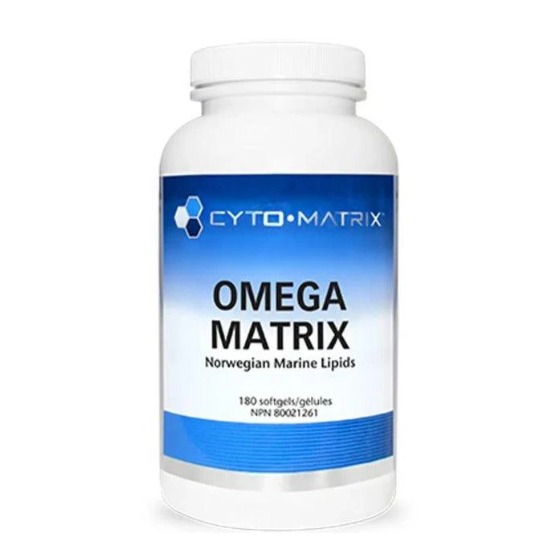
Nutritional support runs alongside. NAC and vitamin C support the body's antioxidant systems during oxidative therapies, and omega-3 addresses the inflammatory side. Availability of specific technologies varies by clinic.
Who should not
Untreated pneumothorax, certain lung conditions, some ear and sinus problems and a few medications are contraindications, which is one reason a physician consultation comes first. Tell us about recent surgery, cold symptoms or ear trouble before a session.
Questions we hear
- How does a hyperbaric chamber help you heal faster?
- Under pressure, more oxygen dissolves into your plasma and reaches tissue that is inflamed or poorly supplied by blood. That supports repair, reduces swelling and helps clear the by-products of exertion and injury.
- How many HBOT sessions do I need?
- It depends on the goal. Recovery protocols usually run several sessions a week over a defined block of weeks, then are reviewed. Your consultation sets the number rather than a menu.
- Are there side effects of hyperbaric oxygen therapy?
- Ear pressure during compression is the main one and is managed by equalising. Mild tiredness afterwards is common. Serious effects are rare and are screened for at consultation.
Information in this article is educational and not a substitute for medical advice. Individual response varies; what is right for you is confirmed in consultation.