The Science of Red Light: What LED Therapy Actually Does
Red and near-infrared light have moved from the clinic to the bathroom counter. What the light is doing under the surface, what the evidence supports, and how to get results from a mask at home.
By Ageless Living Clinical TeamPhysicians, nurses and medical aestheticians across Langley, Victoria and KelownaUpdated
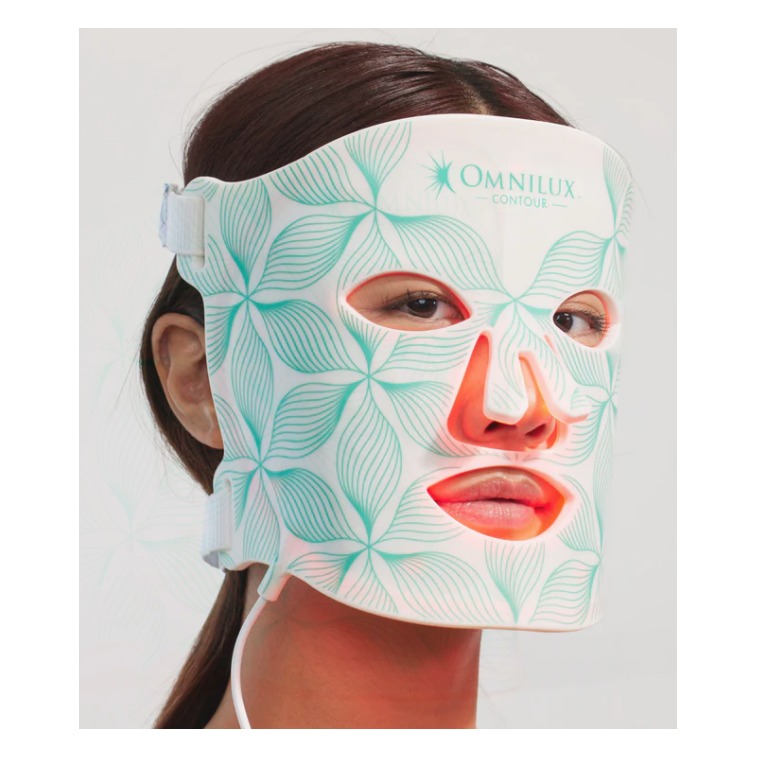
Red light therapy looks like wellness theatre: a glowing mask, ten quiet minutes, no sensation at all. What is happening underneath is more interesting. Specific wavelengths of red and near-infrared light are absorbed by cytochrome c oxidase in the mitochondria, the part of the cell that makes energy. The cell produces more ATP, signalling molecules shift, and cells that were sluggish get on with their work.
The technical name is photobiomodulation, and it has decades of research behind it, including in wound healing and inflammation. In skin, the cells that respond most usefully are fibroblasts, the ones that manufacture collagen and elastin. Over weeks of consistent use that reads as firmer, calmer, more even-looking skin.
What each colour does
- Red (around 630 nm): absorbed in the upper dermis. Collagen support, tone, fine lines, healing.
- Near-infrared (around 830 nm): penetrates deeper. Inflammation, recovery, deeper tissue support. Invisible to the eye but working.
- Blue (around 415 nm): absorbed at the surface by the porphyrins in acne bacteria, which it damages. Breakouts and oiliness.
Why consistency beats intensity
The clinical studies behind LED share one variable: repetition. Light is a signal, not a treatment you can overdose on productively. A few focused sessions a week outperforms an occasional marathon, and results are measured over eight to twelve weeks rather than days.
This is why we treat at-home devices as the continuation of in-clinic work, not a replacement for it. The clinic delivers the higher-powered sessions, often alongside microneedling or as part of a biohacking protocol; your mask keeps the signal arriving between visits.
What we designed our mask to do
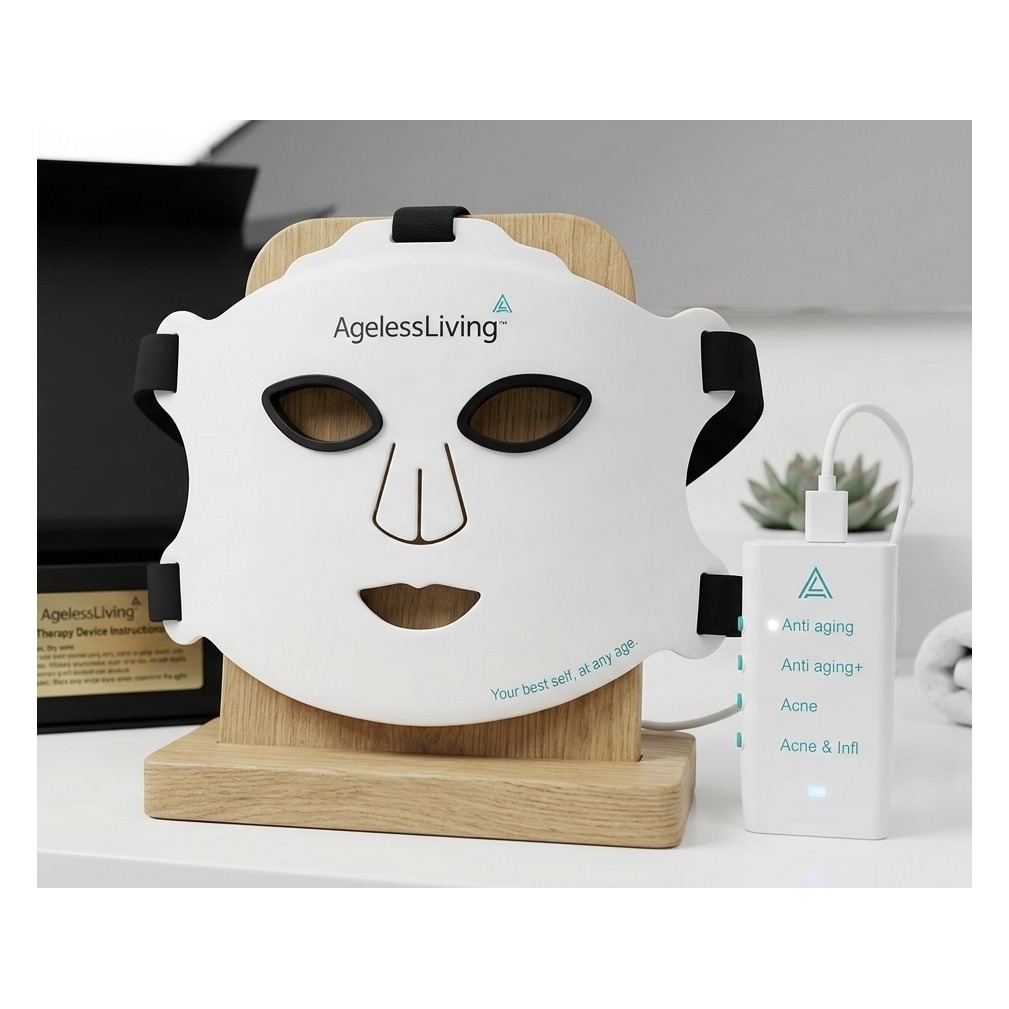
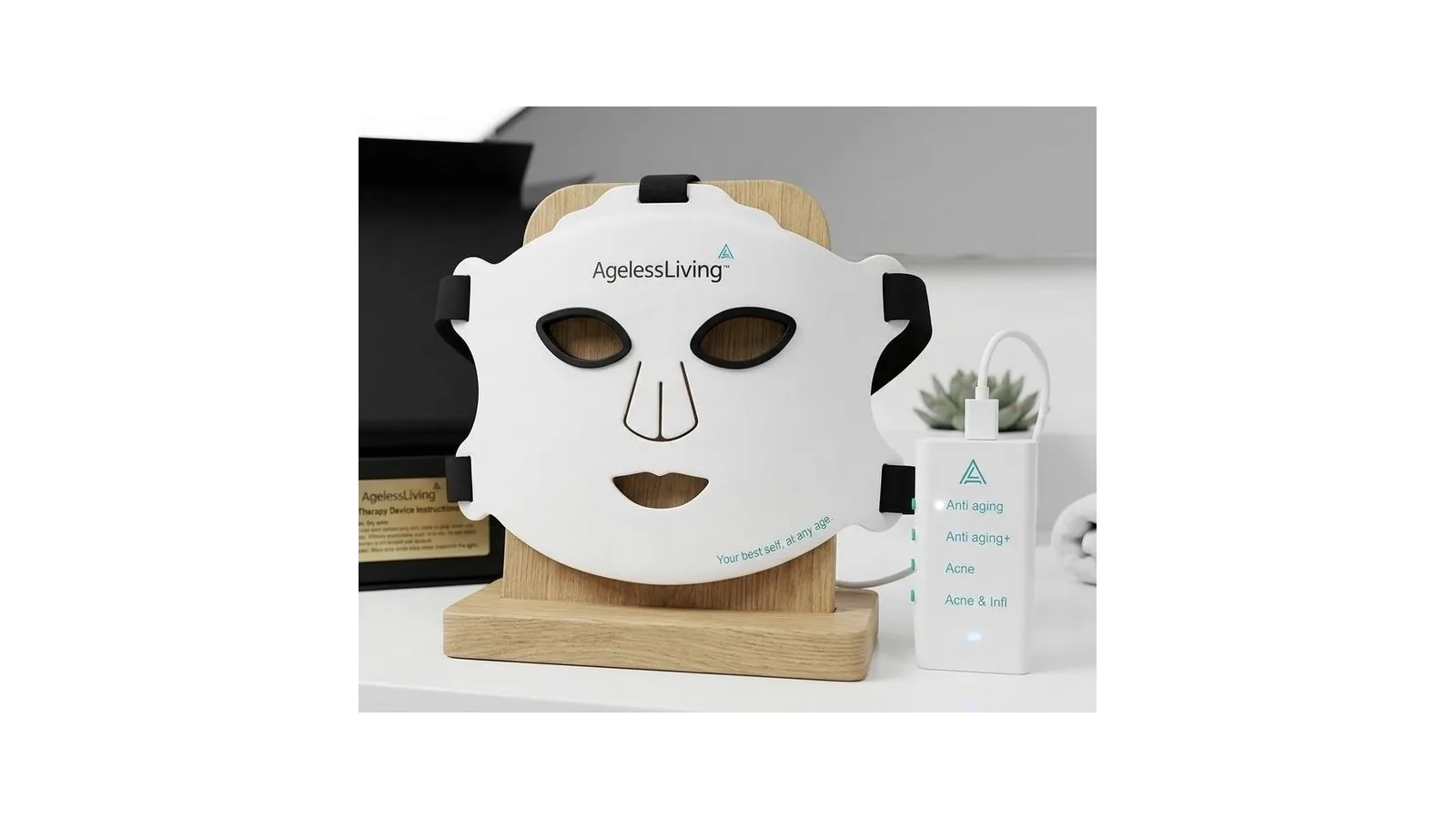
The Ageless Living Red Light and Acne Therapy Mask combines red, blue and near-infrared in one device, with 243 LEDs for full-face coverage, pre-programmed modes, an auto shut-off timer and straps that hold it in place hands-free. It carries a two-year warranty and ships free in Canada. It exists because our patients kept asking which mask to buy, and most of the ones they found either lacked near-infrared or had too few LEDs to cover the face evenly.
Getting the most from a session
- Use it on clean, bare skin so nothing sits between the LEDs and you. Remove sunscreen and makeup.
- Ten minutes, three to five evenings a week, for at least eight weeks. Put it next to something you already do so it stops being a chore.
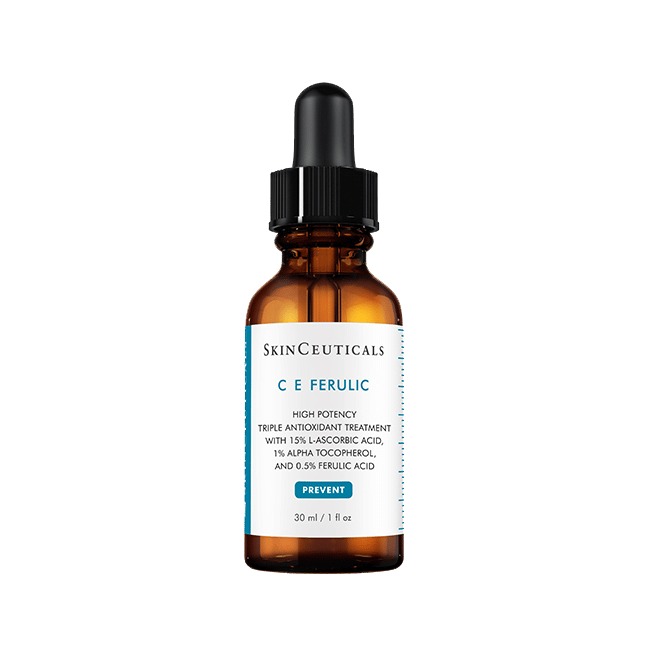
- Follow with your serum and moisturiser. Skin that has just been treated is primed, and a vitamin C antioxidant pairs naturally with the collagen story light is telling.
- Use the blue mode on breakout-prone areas and the red or combined mode for everything else.
Questions we hear
- Does red light therapy really work?
- Yes, within honest limits. Consistent use improves fine lines, tone, healing and inflammation over eight to twelve weeks. It does not replace collagen-inducing treatments; it supports and extends them.
- How often should I use a red light mask?
- Ten minutes, three to five times a week. Daily is fine; more than one session a day adds nothing.
- Is red light safe for the eyes?
- Red and near-infrared at these intensities are considered safe, and our mask has eye openings. Close your eyes during a session, and remove contact lenses if they feel dry.
- Can I use red light with retinol?
- Yes. Use the light on clean skin first, then apply your evening routine. Many patients find retinol better tolerated once red light has calmed the skin.
Information in this article is educational and not a substitute for medical advice. Individual response varies; what is right for you is confirmed in consultation.