Adult and Hormonal Acne: Why We Treat It From the Inside Out
Jawline and cyclical breakouts in adults are rarely a hygiene problem. How we assess androgen and insulin markers alongside the skin, and the routine that clears without stripping.
By Ageless Living Clinical TeamPhysicians, nurses and medical aestheticians across Langley, Victoria and Kelowna
Acne at thirty-five is not the acne you had at fifteen, and treating it the same way is why so many adults arrive at the clinic with a bathroom full of products that stripped their skin without clearing it. Adult acne is mostly inflammatory, mostly on the lower face, often cyclical, and usually has a driver that topicals cannot reach.
Reading the pattern
- Jawline, chin and neck, flaring in the week before a period: androgen-sensitive skin.
- Deep, tender cysts that never come to a head: inflammatory and hormonal, prone to scarring if squeezed.
- Breakouts that arrived with weight change, sugar cravings or irregular cycles: worth checking insulin and, for women, PCOS markers.
- Fine bumps across the forehead: often product or hair-care related rather than hormonal.
What we test, and why
Because Ageless Living is physician-led, a skin assessment for adult acne can run alongside bloodwork. Androgens, fasting insulin, HbA1c and, where cycles are irregular, a fuller hormone panel tell us whether the skin is reacting to something we can treat directly. When insulin resistance is part of the picture, improving it through the Health Weight Program clears skin in a way no cleanser can.
The clearing routine, without the stripping
The mistake is to attack. Harsh scrubs and drying alcohol-based toners damage the barrier, and a damaged barrier is more inflamed and more prone to breakouts. The routine we build is firm but respectful.
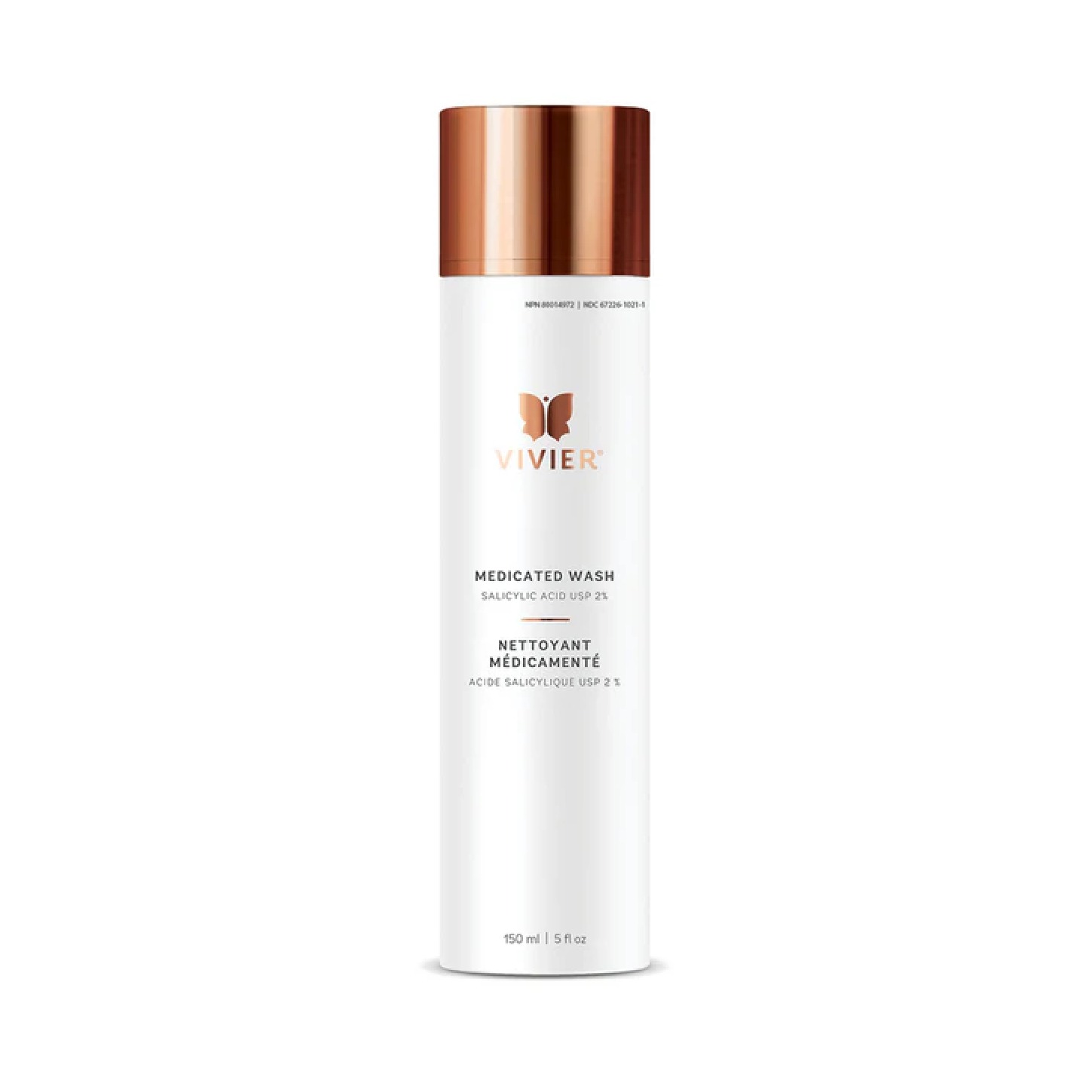
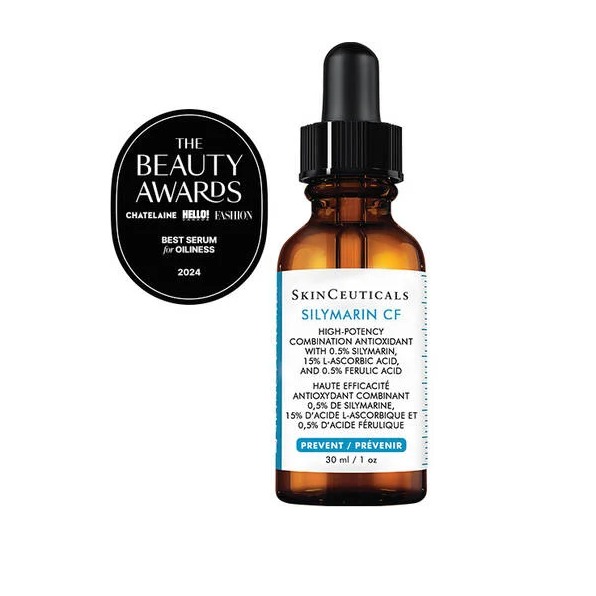
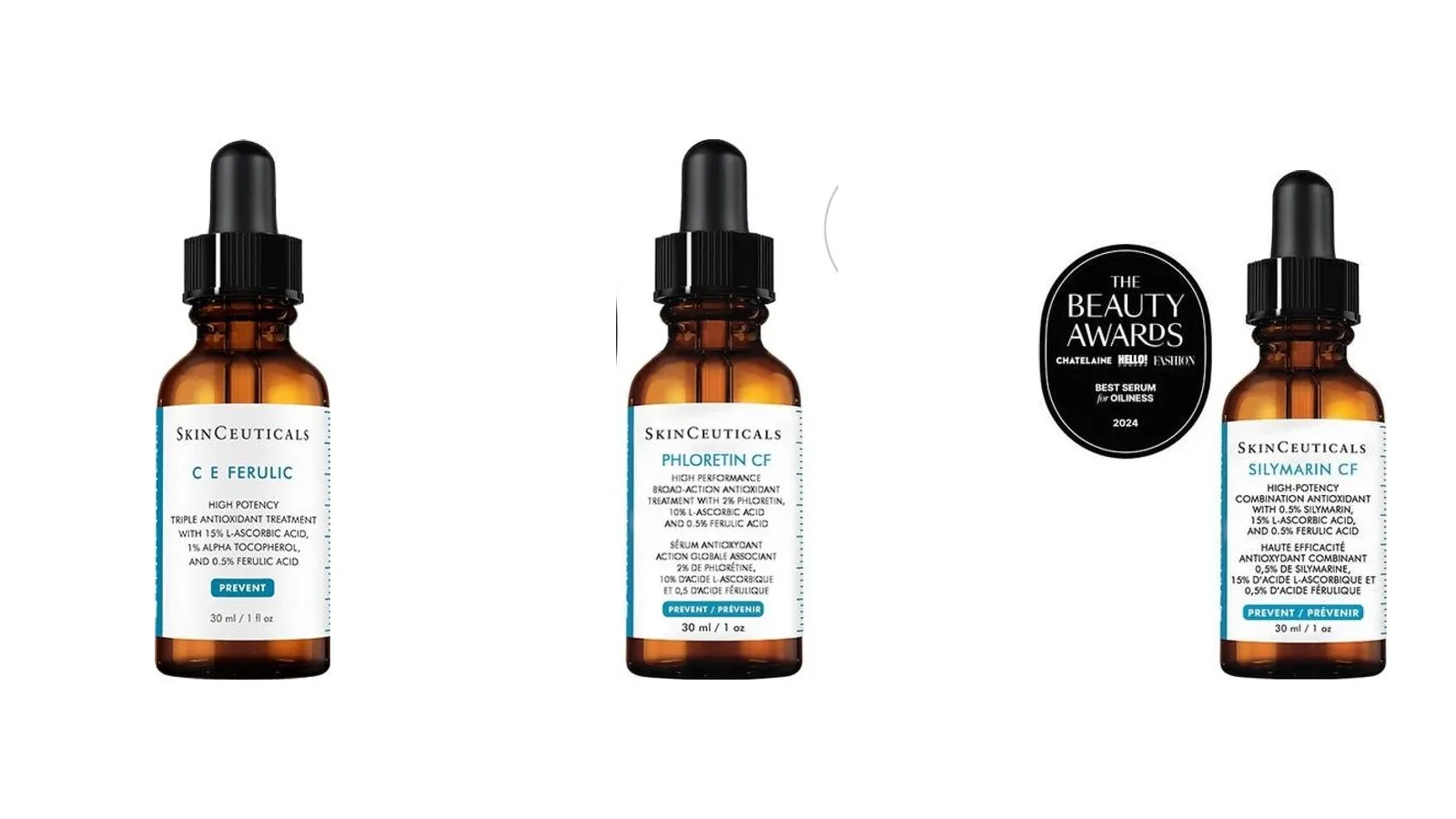
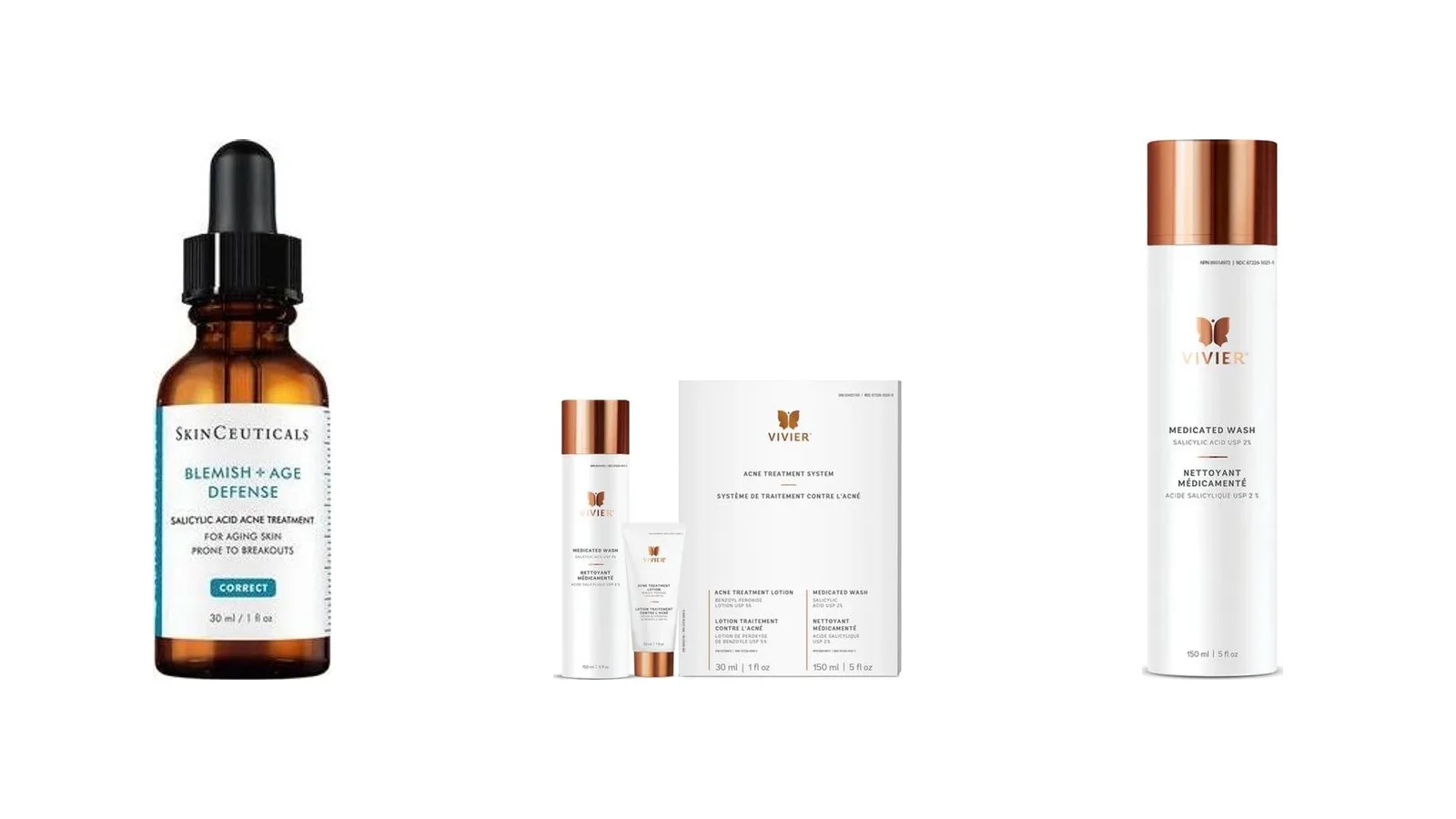
- Morning: a salicylic acid medicated wash, an oil-controlling vitamin C serum formulated for blemish-prone skin, a light non-comedogenic moisturiser and a mineral SPF.
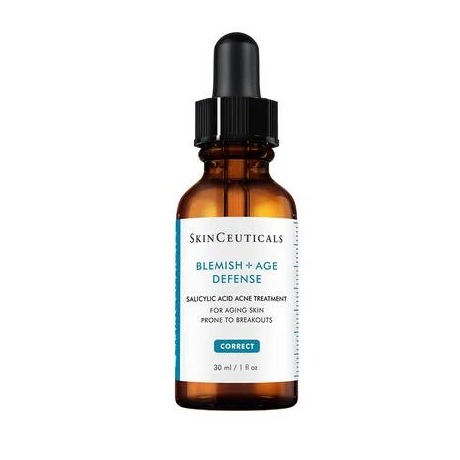
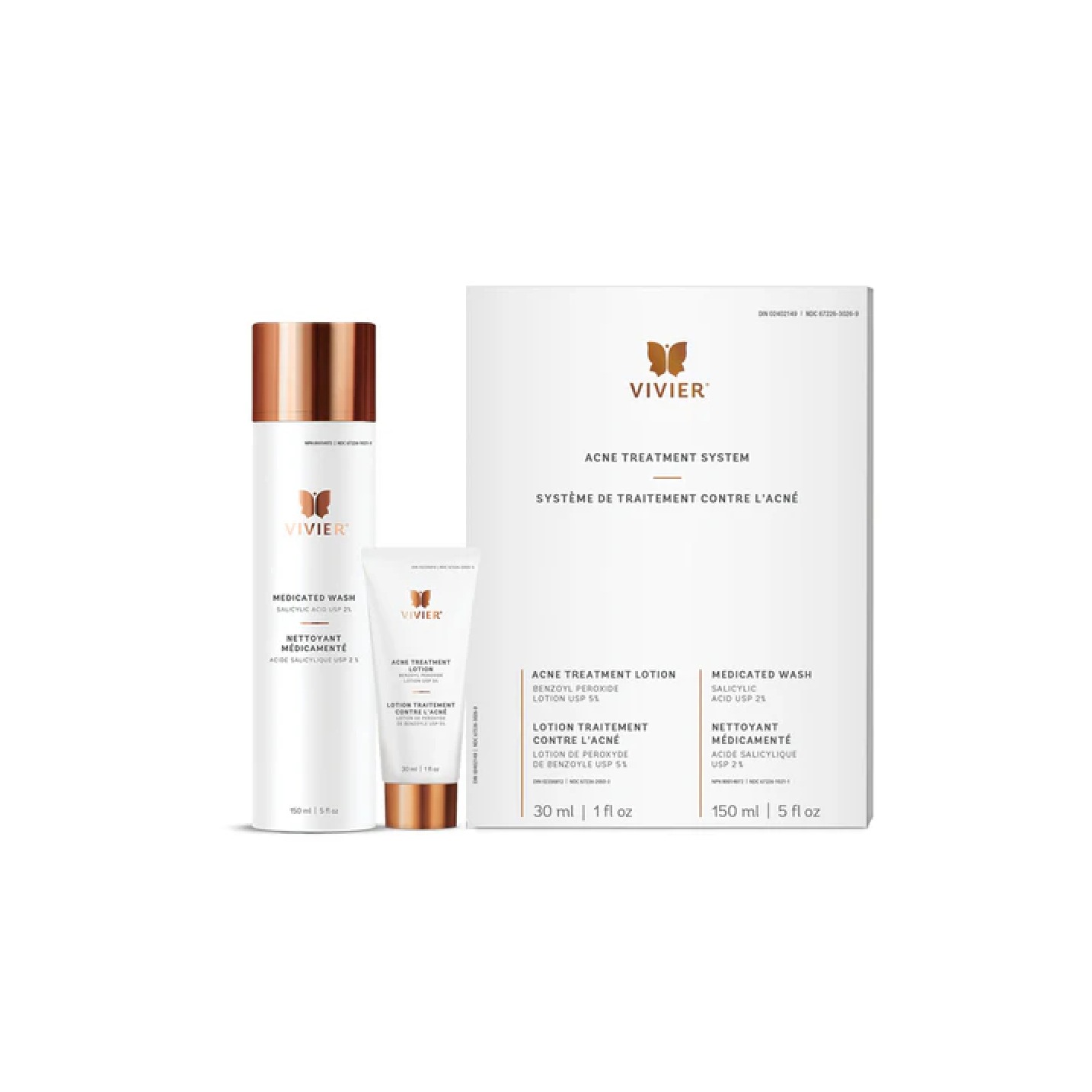
- Evening: cleanse, then a treatment step. A dioic acid and hydroxy acid serum that addresses breakouts and the fine lines adult skin also has, or a benzoyl peroxide lotion on active areas.
- Weekly: a clay or enzyme treatment for congestion, never a physical scrub over inflamed skin.
- Internally: zinc bisglycinate is well supported for inflammatory acne and is easy to add.
In clinic
Once the skin is calmer, treatments accelerate the clearing and address what breakouts left behind. Medical peels for congestion and post-acne marks, blue and red light to reduce bacteria and inflammation, and staged microneedling for atrophic scarring. Prescription topicals are used where appropriate. The sequence comes out of the assessment rather than being sold as a package.
Questions we hear
- What causes acne in adults?
- Most adult acne is inflammatory and hormonally sensitive. Androgens increase oil production, insulin resistance amplifies it, and stress and poor sleep raise cortisol, which does the same. Skincare manages the surface; bloodwork finds the driver.
- Should I stop moisturising if I have acne?
- No. Dehydrated skin produces more oil and inflames more easily. Use a light, non-comedogenic moisturiser and keep the barrier intact so treatments can work.
- Can red or blue light help acne?
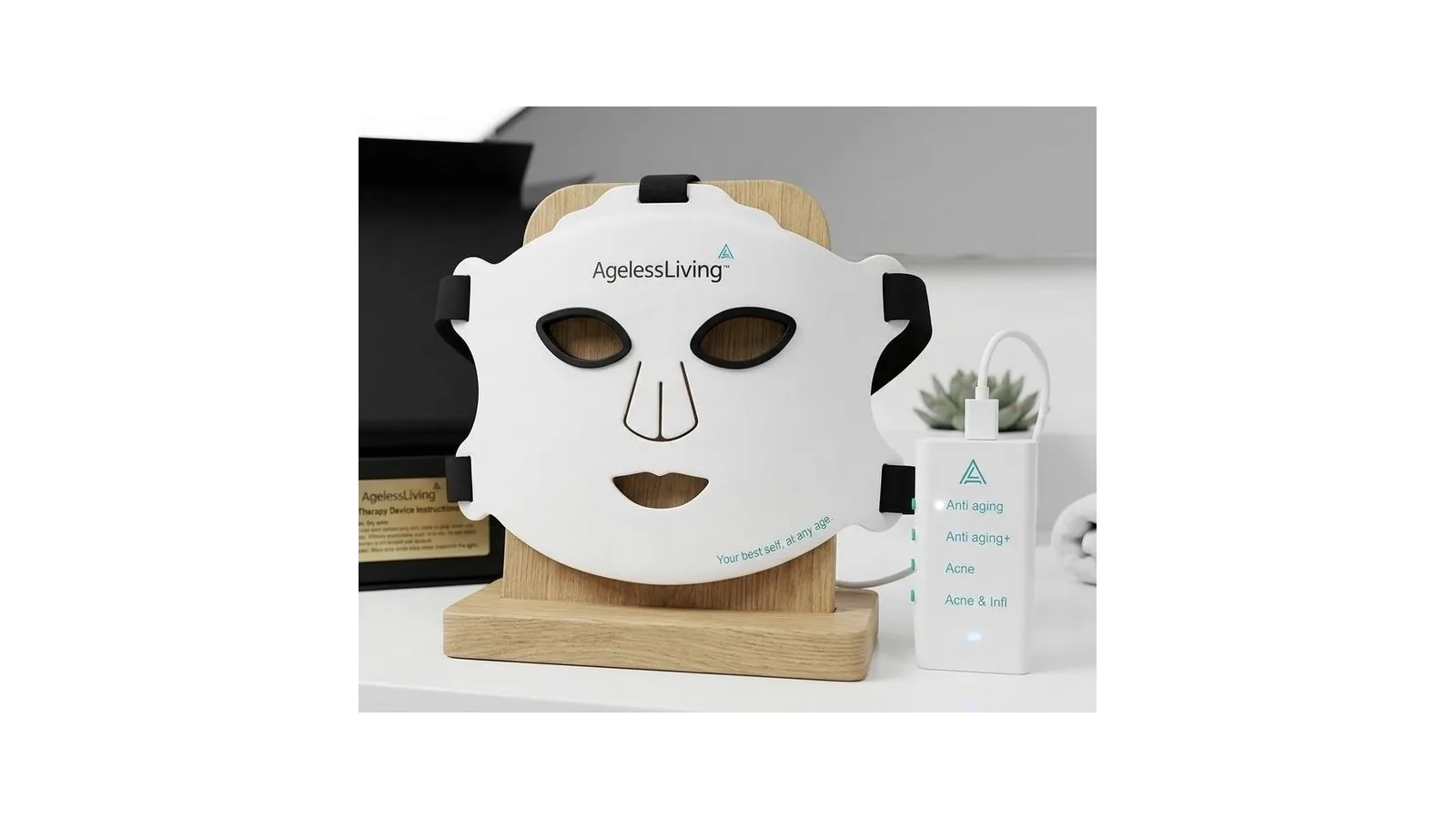
- Yes. Blue light reduces acne-causing bacteria and red light calms inflammation. Our home mask combines both with near-infrared, and in-clinic light sessions are often part of an acne plan.
Information in this article is educational and not a substitute for medical advice. Individual response varies; what is right for you is confirmed in consultation.