Insulin Resistance, PCOS and the Weight That Will Not Move
Raised fasting insulin, HbA1c drift and central weight gain explain far more stalled weight loss than willpower does. What insulin resistance is, how it shows in PCOS and menopause, and how we treat it.
By Ageless Living PhysiciansInternal medicine, hormone and metabolic care

Insulin is the storage hormone. After a meal it moves glucose into muscle and liver and tells fat cells to hold on to what they have. When cells stop responding to it well, the pancreas makes more, and the body spends most of the day in a high-insulin state. Two things follow: fat is very hard to release, and hunger returns quickly. That is the physiology behind weight that will not move, and it is not a character test.
How it shows up
- Weight gain around the middle that diet and exercise barely touch.
- Cravings for carbohydrate, energy crashes after meals, sleepiness mid-afternoon.
- Skin tags, darkened skin at the neck or underarms, adult acne.
- Fasting glucose that is still normal while fasting insulin is high and HbA1c is drifting upward.
PCOS and the menopausal transition
In polycystic ovary syndrome, insulin resistance and elevated androgens reinforce each other. High insulin pushes the ovaries to make more androgens, which worsens acne, hair changes and cycle irregularity, and the androgens worsen insulin resistance. Treating the weight without addressing insulin rarely holds, which is why our program treats the metabolic and androgenic components together.
Menopause brings its own shift. Falling estrogen changes where fat is stored and reduces insulin sensitivity, so a woman who never carried weight centrally suddenly does. Hormone review runs alongside the metabolic plan for exactly this reason.
How we treat it
- Bloodwork first: fasting insulin, HbA1c, lipid subfractions, thyroid, and for women with cycle changes, androgens.
- Body composition scanning, so muscle and fat are measured separately.
- Protein at every meal, fewer refined carbohydrates, and resistance training to build the muscle that soaks up glucose.
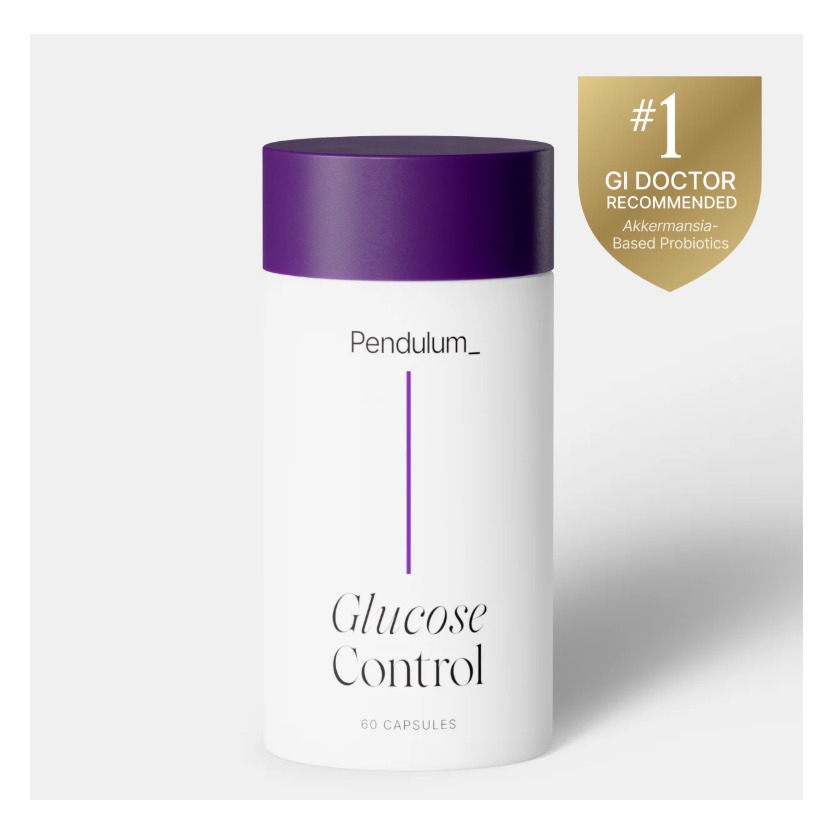
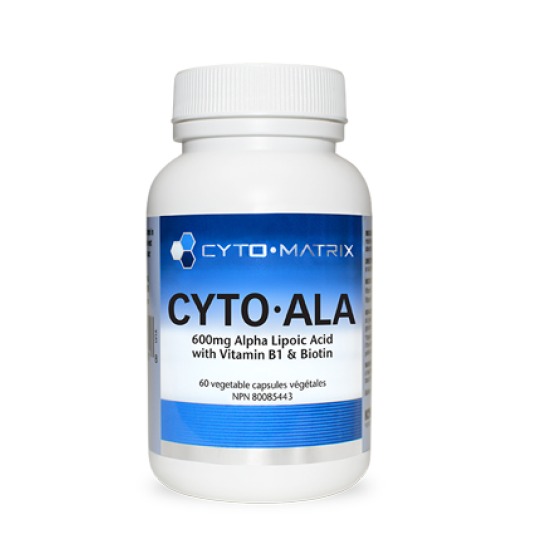
- Targeted supplements with evidence for insulin sensitivity: berberine, alpha-lipoic acid, magnesium, and microbiome support.
- Medication where indicated, including GLP-1 therapy, with monthly review while dosing.
Measuring it honestly
Progress is read on the scan and in the bloodwork. Fasting insulin trending down, HbA1c moving toward range, fat mass falling while lean mass holds. The scale follows, usually more slowly than people hope in the first month and more reliably afterwards. Re-testing at eight to sixteen weeks is where dosing and protein targets are adjusted.
Questions we hear
- What test shows insulin resistance?
- Fasting insulin alongside fasting glucose and HbA1c. Fasting insulin rises years before glucose does, which is why a normal glucose result can be falsely reassuring.
- Can PCOS weight be lost?
- Yes, when the insulin resistance underneath it is treated. Protein-forward eating, resistance training, targeted supplements and, where indicated, medication together produce results that hold.
- Does berberine help insulin resistance?
- Berberine has reasonable evidence for improving insulin sensitivity and post-meal glucose. It is used as part of a plan, not instead of one, and is chosen from your bloodwork.
Information in this article is educational and not a substitute for medical advice. Individual response varies; what is right for you is confirmed in consultation.