GLP-1 Medications, Protein and the Muscle You Keep
GLP-1 therapy works. The question is what you lose: fat, or fat and muscle. How a supervised program uses body composition scans, protein targets and resistance training to protect what matters.
By Ageless Living PhysiciansInternal medicine, hormone and metabolic care

If willpower were the variable, most of our patients would have solved this years ago. Weight is a metabolic and hormonal signal, and GLP-1 medications changed the conversation because they act on the signal rather than on the willpower. They slow gastric emptying, quiet the constant background hunger many people describe as food noise, and improve how the body handles insulin. Used properly, they work.
Used carelessly, they work too, and that is the problem. Weight comes off quickly, and some of it is muscle. Muscle is your metabolic engine, your strength and your protection against regain. A program that only watches the scale cannot see it going.
What a supervised program measures
- Metabolic bloodwork before starting: fasting insulin, HbA1c, lipid subfractions, thyroid and liver markers.
- A body composition scan that measures muscle and fat separately, repeated through the program so progress is read as fat lost and muscle held.
- Monthly physician reviews while dosing is being adjusted, then quarterly.
- Symptoms and side effects tracked so dose changes happen on evidence, not on a schedule.
Protein: the non-negotiable
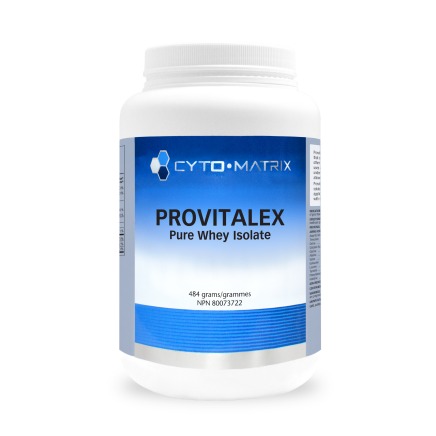
Appetite suppression makes it easy to under-eat protein without noticing. A daily target set from your lean mass, spread across meals, is the single most protective habit on a GLP-1. When a meal is hard to face, a clean whey isolate is the simplest way to reach the target, and it is why we stock one.
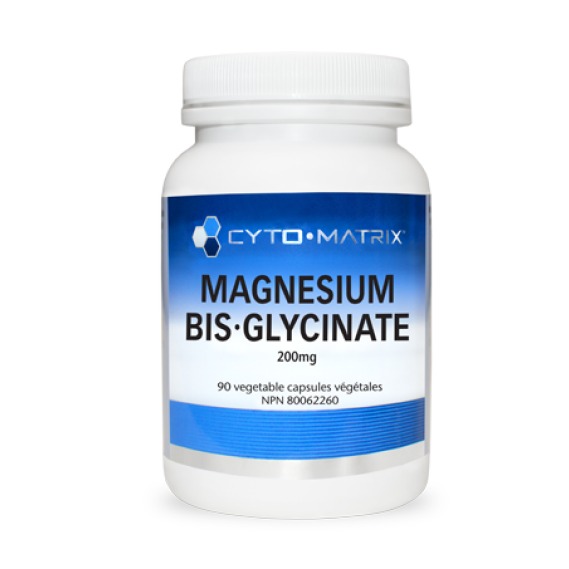
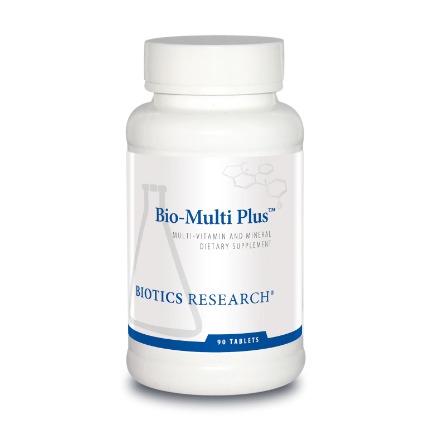
Micronutrients follow the same logic. Smaller intake means less of everything, so a quality multivitamin, magnesium and omega-3 are usually part of the plan, chosen from your bloodwork.
Resistance training, not more cardio
Two to three short resistance sessions a week signal the body to keep muscle while in a calorie deficit. Walking is excellent for everything else, but it does not send that signal. Our nutrition team helps patients who have never lifted find a starting point that fits.
Making it hold
The loss phase ends with a plan, not a cliff. Labs are re-checked, a maintenance dose or a taper is set deliberately, and the protein and training habits built along the way are what outlast the prescription. Regain after stopping is common in programs that never built those habits; it is far less common in programs that did.
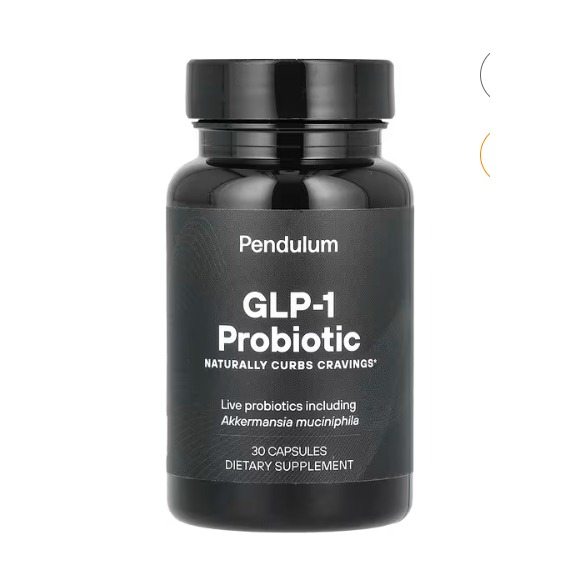
Gut support is a newer part of the picture. Specific probiotic strains that support the body's own GLP-1 production are now available and are sometimes used alongside or after therapy.
Questions we hear
- Do you guarantee weight loss?
- No clinic honestly can. What we guarantee is a physician-supervised program that measures body composition and bloodwork, adjusts on evidence, and builds the habits that let results hold.
- How much protein should I eat on a GLP-1 medication?
- It is set individually from your lean mass, typically higher than most people eat, spread across meals. A whey isolate is a practical way to reach it when appetite is low.
- Will I regain the weight when I stop?
- Regain is common when a program never built protein, training and maintenance habits. With a deliberate taper and those habits in place, most patients hold their result.
- Is the Health Weight Program covered by MSP?
- The program itself is private. Some bloodwork and medications may be covered by MSP or extended benefits; the clinic tells you what is covered before you start.
Information in this article is educational and not a substitute for medical advice. Individual response varies; what is right for you is confirmed in consultation.