Berberine, Akkermansia and Glucose Control: The Metabolic Supplements We Actually Use
Three supplements our physicians reach for when bloodwork shows insulin resistance or a drifting HbA1c: berberine, the microbe Akkermansia, and a targeted glucose-control probiotic. What each does and who it suits.
By Ageless Living Pharmacy & Nutrition TeamPharmacist, clinical nutritionists and naturopathic care

Supplements for blood sugar are a crowded and mostly disappointing category. Three earn a place on our shelf because the evidence is reasonable, the mechanism is understood, and our physicians see the bloodwork move. They are used inside a plan, chosen from your results, and reviewed when you re-test.
Berberine
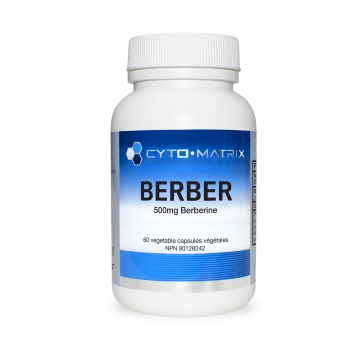
Berberine is a plant alkaloid traditionally delivered in goldenseal, Oregon grape and barberry. It activates AMPK, a cellular energy sensor, which improves insulin sensitivity and glucose uptake into muscle and reduces glucose production by the liver. Studies show meaningful reductions in fasting glucose, HbA1c and lipids over about three months.
It is taken with meals, since that is when glucose arrives, and it can interact with several medications, which is why it belongs in a supervised plan. Digestive upset is the usual side effect and eases with food.
Akkermansia muciniphila
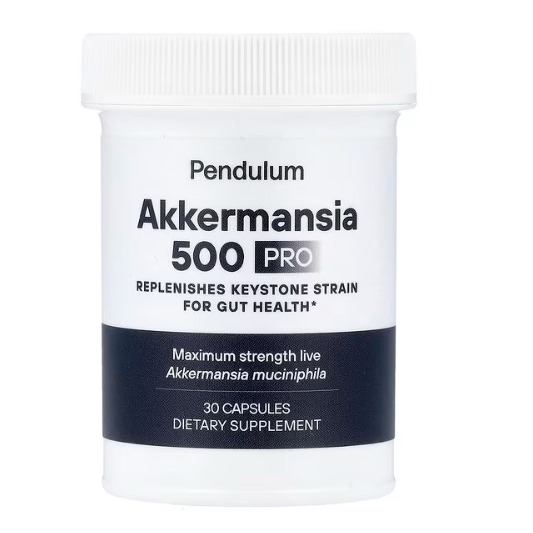
Akkermansia lives in the gut's mucus layer and has appeared in thousands of research papers. Its abundance is associated with a healthier metabolic profile, and low levels are common in people with insulin resistance. For years it could not be taken as a supplement because it is oxygen-sensitive; that has changed, and it is now available as a live probiotic. It is used to nurture the microbiome that supports glucose handling, particularly for patients whose bloodwork and digestion both suggest it.
Targeted glucose and GLP-1 probiotics
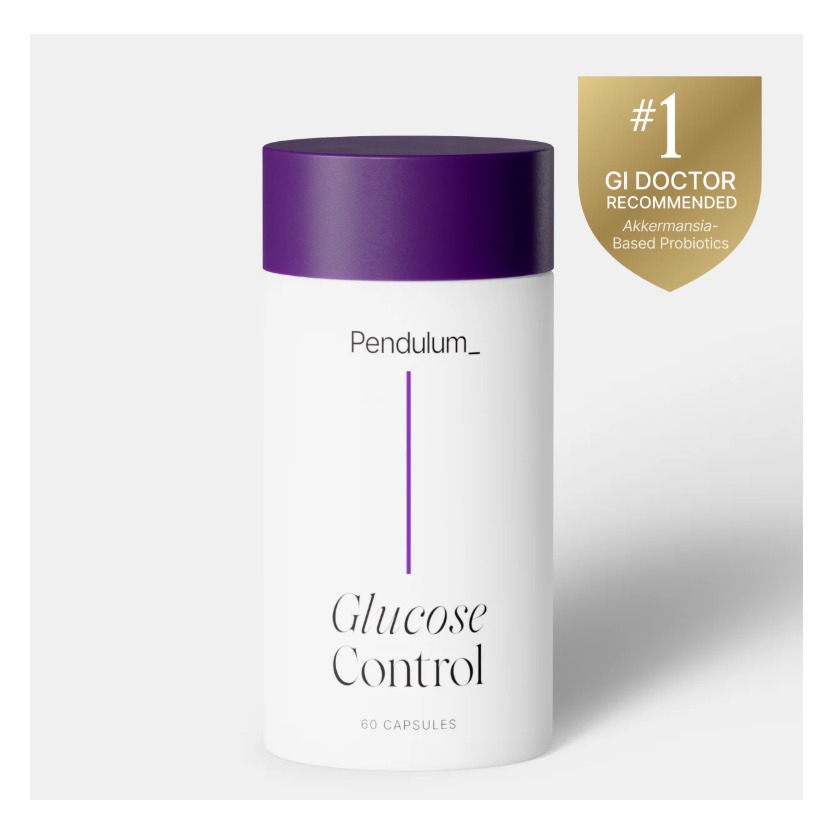
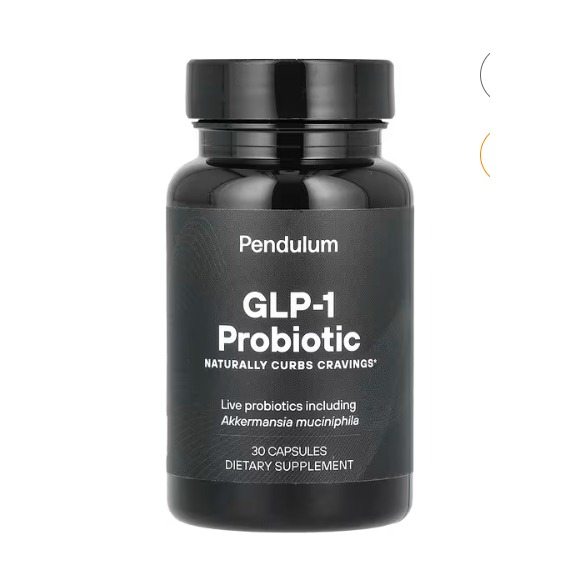
The body makes its own GLP-1 in the gut, and specific bacterial strains support that production. Blends formulated around Akkermansia and butyrate-producing strains are used to support glucose control and, increasingly, to support patients tapering from GLP-1 medication. They are a complement to the program, not a substitute for it.
The supporting cast
- Magnesium bisglycinate: magnesium is needed for insulin signalling and is commonly low.
- Alpha-lipoic acid: an antioxidant with evidence for insulin sensitivity and nerve health.
- Omega-3: for the inflammatory and lipid side of metabolic health.
- Whey isolate: the practical way to hit a protein target when appetite is suppressed.
Questions we hear
- When should I take berberine?
- With meals, since it works on the glucose that arrives with food. Your physician sets the dose and checks it against other medications you take.
- Can supplements replace GLP-1 medication?
- No. They support glucose handling and can complement or follow a medication-based program, but they do not replace physician-supervised treatment where it is indicated.
- Is Akkermansia safe?
- It is a normal resident of the healthy gut and is well tolerated as a supplement. As with any probiotic, it is chosen for you rather than taken by default.
Information in this article is educational and not a substitute for medical advice. Individual response varies; what is right for you is confirmed in consultation.