Daily Foundations for Canadians: Vitamin D, Omega-3 and Zinc
Three nutrients most people north of the 49th parallel are low in, and the ones our physicians check first. Why deficiency is so common in BC, what each does for skin, hormones and mood, and how to dose them.
By Ageless Living Pharmacy & Nutrition TeamPharmacist, clinical nutritionists and naturopathic care
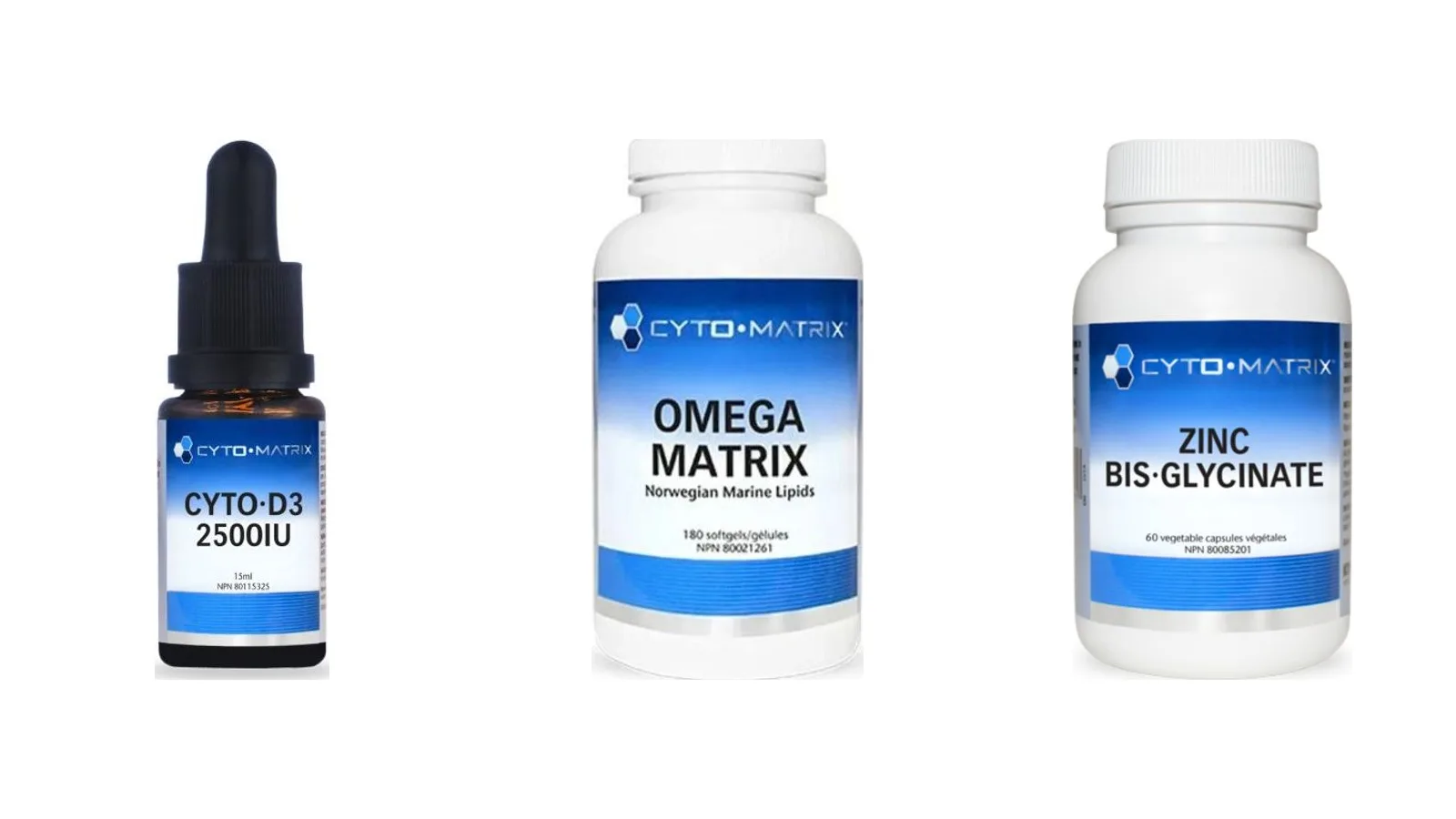
Most supplements are optional. A small number are corrections for a gap that geography, diet or age has opened, and for people living in British Columbia three of them come up in bloodwork over and over. Our physicians test for them before most other things, because correcting them changes energy, skin, mood and immunity before any more sophisticated intervention is needed.
Vitamin D
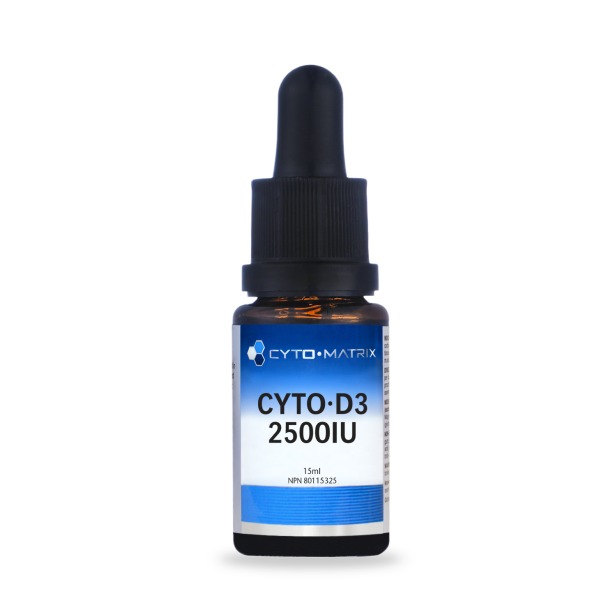
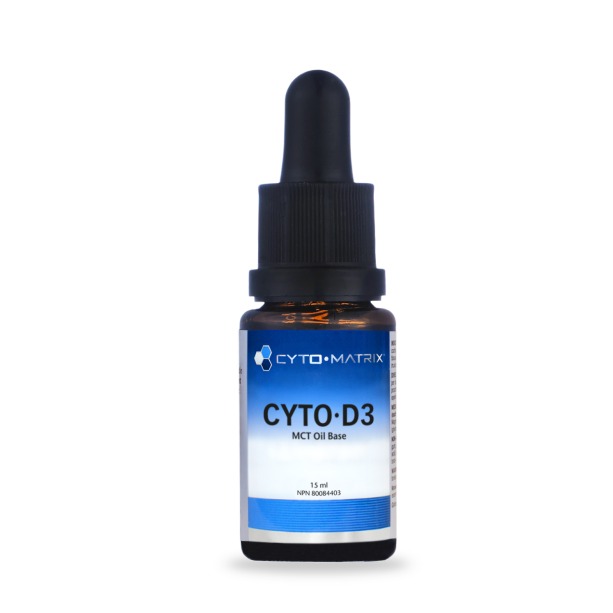
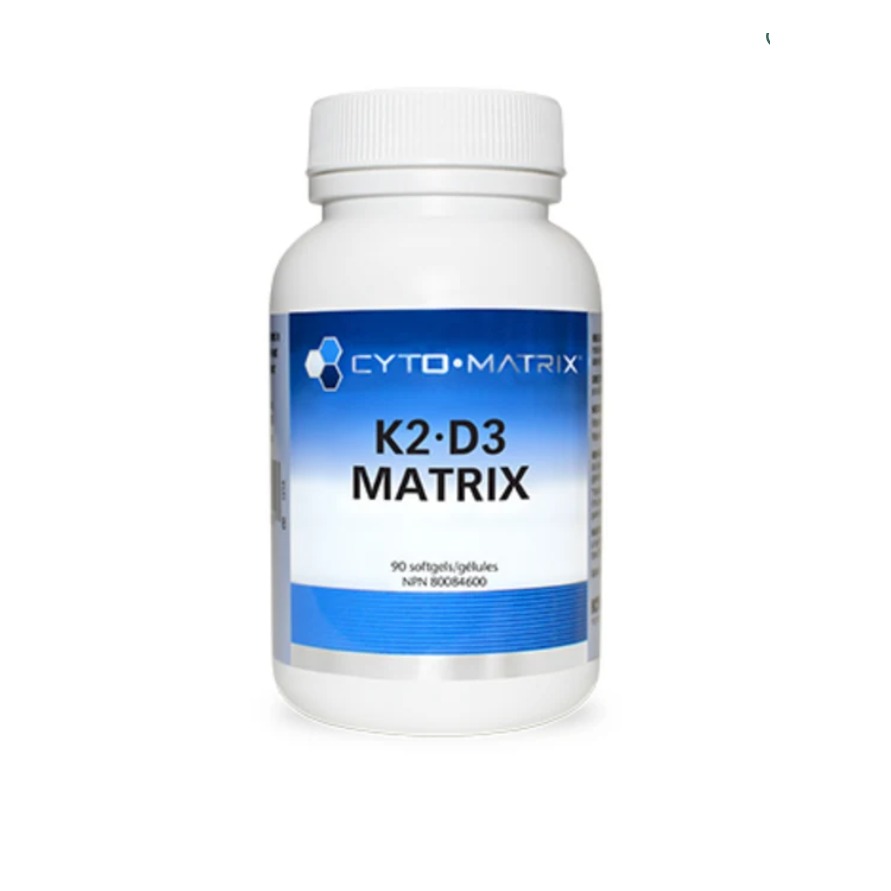
Skin makes vitamin D from UVB, and from roughly October to April the sun in BC is too low in the sky for that to happen at all, whatever the weather. Add indoor work, sunscreen and darker skin, which needs more exposure, and low vitamin D is closer to the rule than the exception here. It matters for immunity, bone, mood, hormone production and skin healing. The approach is to test, then dose to a target: one to four thousand IU daily is typical, in a liquid or capsule taken with a meal that contains fat. Vitamin K2 in its MK-7 form is the natural partner, directing the calcium that vitamin D absorbs into bone rather than arteries.
Omega-3
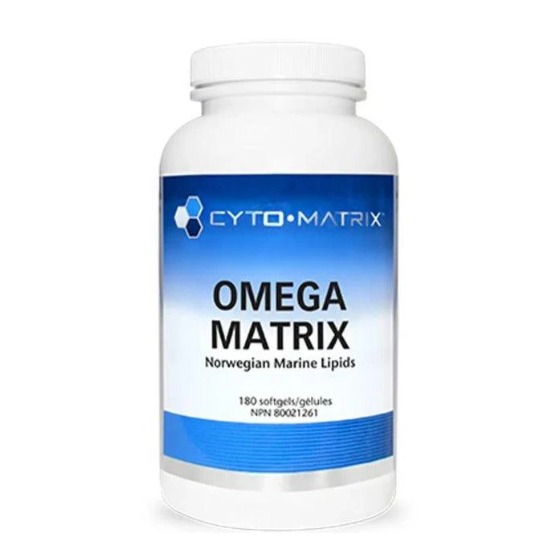
The modern diet has drastically reduced omega-3 intake while increasing omega-6, and the ratio tilts the body toward inflammation. EPA and DHA from a concentrated marine source support the inflammatory balance that underlies skin conditions, joint comfort, mood and cardiovascular health, and they are part of most hormone and metabolic plans. Look for the EPA and DHA amounts on the label rather than the total fish oil, and take it with food. A liquid suits anyone who dislikes large softgels.
Zinc
Zinc is needed for hundreds of enzymes, including the ones behind immunity, wound healing, testosterone production, taste and skin turnover. It is a mineral we use for inflammatory acne, slow-healing skin, frequent infections and, in men, as part of hormone support. The bisglycinate form is fully chelated, absorbed well and does not cause the nausea that zinc sulphate can. Twenty-five milligrams daily is a usual dose; higher doses are short-term and supervised, since zinc competes with copper.
The multivitamin question
A good multivitamin is insurance, not treatment. It fills the smaller gaps in a real diet, in forms the body can use, and it makes sense for anyone eating less, whether by choice or on a GLP-1 medication. It does not replace the targeted three above, which are usually needed in higher amounts than a multivitamin carries.
Test first
All three are easy to test and easy to over- or under-dose by guessing. Vitamin D, a fatty acid profile and zinc sit inside the micronutrient panel that accompanies a hormone or metabolic assessment at the clinic, and re-testing tells us when a dose can come down.
Questions we hear
- How much vitamin D should I take in Canada?
- Most adults need one to four thousand IU daily through the winter to reach a healthy level, and many need it year-round. Test first, then dose to your result, and take it with a meal that contains fat.
- What is the best form of zinc?
- Zinc bisglycinate. It is fully chelated for absorption and gentle on the stomach. Take it with food, and keep long-term doses at around twenty-five milligrams unless supervised.
- Do I need omega-3 if I eat fish?
- Two to three servings of oily fish a week covers most people. Fewer than that, or a diet high in seed oils, usually means a concentrated EPA and DHA supplement is worthwhile.
Information in this article is educational and not a substitute for medical advice. Individual response varies; what is right for you is confirmed in consultation.