Thyroid, Fatigue, Hair and Skin: When “Normal” TSH Is Not the Whole Story
Cold hands, dry skin, thinning hair, weight that creeps and a TSH inside range. Why we test the full thyroid picture, what Hashimoto’s changes, and how thyroid care fits with skin and hair.
By Ageless Living PhysiciansInternal medicine, hormone and metabolic care

The thyroid sets the pace of almost every cell. When it runs slow, the whole body slows: energy, digestion, temperature, skin turnover, hair growth, metabolic rate. The frustration for many patients is that the standard screen, a single TSH, can sit inside a broad reference range while symptoms are unmistakable.
The symptoms that point at the thyroid
- Fatigue that sleep does not fix, and feeling cold when others are comfortable.
- Dry, rough skin, thinning hair including the outer eyebrows, and brittle nails.
- Weight gain that resists diet and exercise, puffiness, constipation.
- Low mood, slow thinking, heavy or irregular cycles.
Why we test more than TSH
TSH is the pituitary's signal to the thyroid. It tells us the brain's opinion, not what the thyroid is actually delivering. Free T4 and free T3 show the hormone available to tissues, and the conversion between them can falter under stress, low iron or low selenium. Thyroid antibodies identify Hashimoto's, the autoimmune process behind most hypothyroidism, sometimes years before TSH moves. Reading the full picture against symptoms is how a patient with a normal TSH is taken seriously.
Treatment, and the nutrients that matter
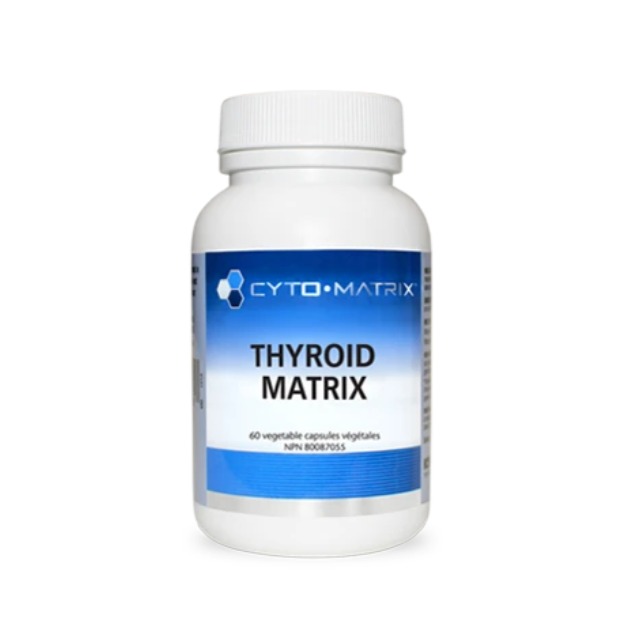
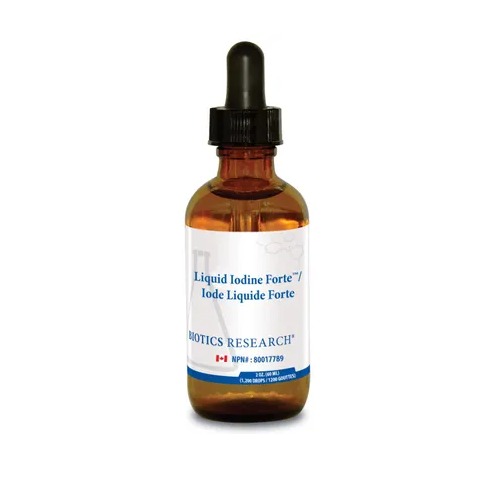
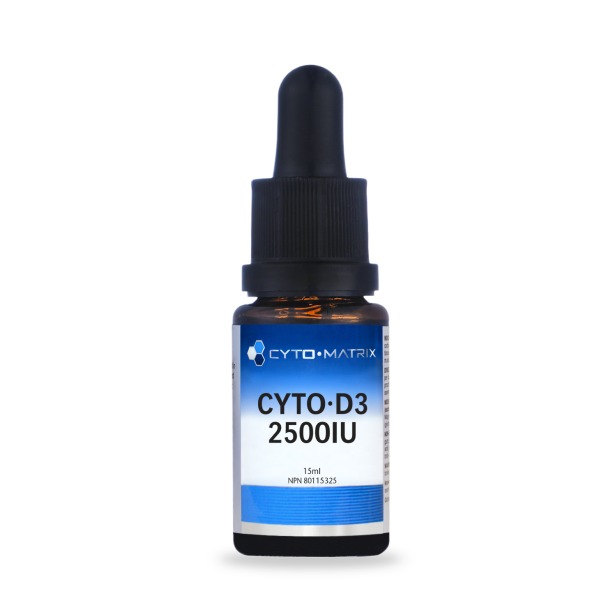
Where the thyroid is genuinely under-active, replacement therapy is prescribed and titrated on repeat testing. Alongside it, the nutrients the thyroid depends on are checked and corrected: iron and ferritin, vitamin D, selenium, zinc and iodine. Iodine in particular is a case for testing rather than guessing, since both too little and too much cause problems, especially with Hashimoto's.
Because thyroid symptoms overlap with perimenopause, low testosterone and cortisol disruption, thyroid testing at Ageless Living is part of the wider hormone panel rather than a standalone test.
What skin and hair need in the meantime
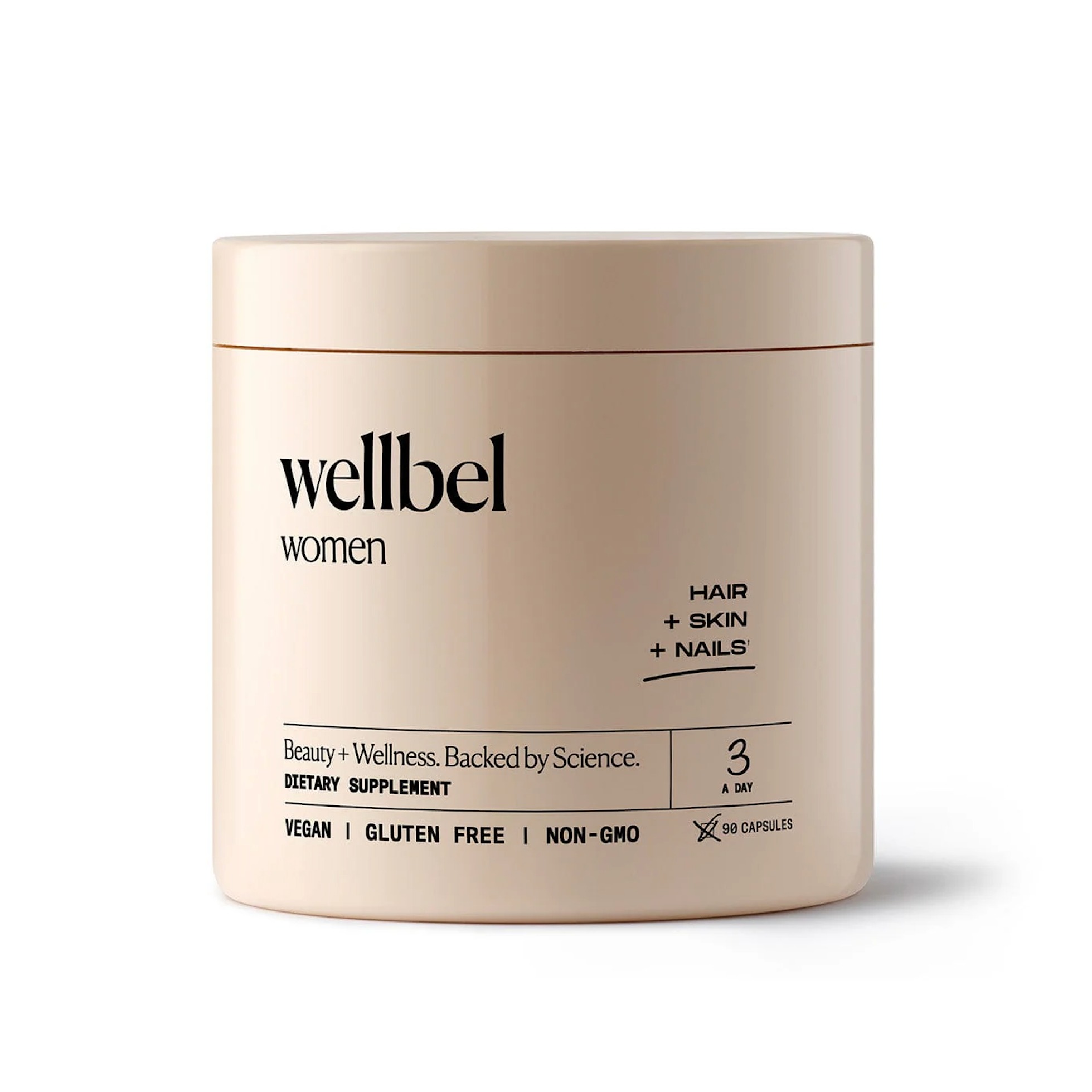
Thyroid-driven dryness responds to barrier repair: lipid-rich moisturisers, gentle cleansing and no stripping actives. Hair regrowth follows thyroid correction over months and is supported by iron repletion and a physician-formulated hair, skin and nail supplement. Patience is part of the treatment; hair cycles are long.
Questions we hear
- Can I have hypothyroid symptoms with a normal TSH?
- Yes. TSH can sit inside its broad reference range while free T3 is low or antibodies are present. That is why we test TSH, free T4, free T3 and thyroid antibodies together and read them against symptoms.
- What is Hashimoto's?
- An autoimmune condition in which the immune system attacks the thyroid, gradually reducing its output. It is the most common cause of hypothyroidism and is identified by thyroid antibodies.
- Does thyroid treatment help hair loss?
- When thyroid dysfunction is the driver, correcting it allows hair to regrow, typically over three to six months. Iron and other nutrient deficiencies are corrected at the same time.
Information in this article is educational and not a substitute for medical advice. Individual response varies; what is right for you is confirmed in consultation.