Perimenopause and Your Skin, Hair and Sleep: What Changes and What Helps
Skin that thinned in a year, hair that sheds, sleep that breaks at 3am. How declining estrogen shows up on the surface, and how hormone review, collagen and a rebuilt routine address it together.
By Ageless Living PhysiciansInternal medicine, hormone and metabolic care

Perimenopause is frequently diagnosed by the skin before it is diagnosed by anything else. A woman in her mid-forties arrives saying her face changed in a year: drier, thinner, less firm along the jaw, and products that used to work now sting. Her hair is shedding. She wakes at 3am. None of this is random, and very little of it is untreatable.
What estrogen was doing for your skin
Estrogen supports collagen production, hyaluronic acid content, skin thickness and oil production. As it declines, skin loses a substantial share of its collagen within the first few years, hydration drops, and the barrier weakens. The visible result is fine lines that deepen, dryness, dullness and early laxity along the jaw and cheeks. Rosacea and melasma often flare in the same window.
Hair, and what to test
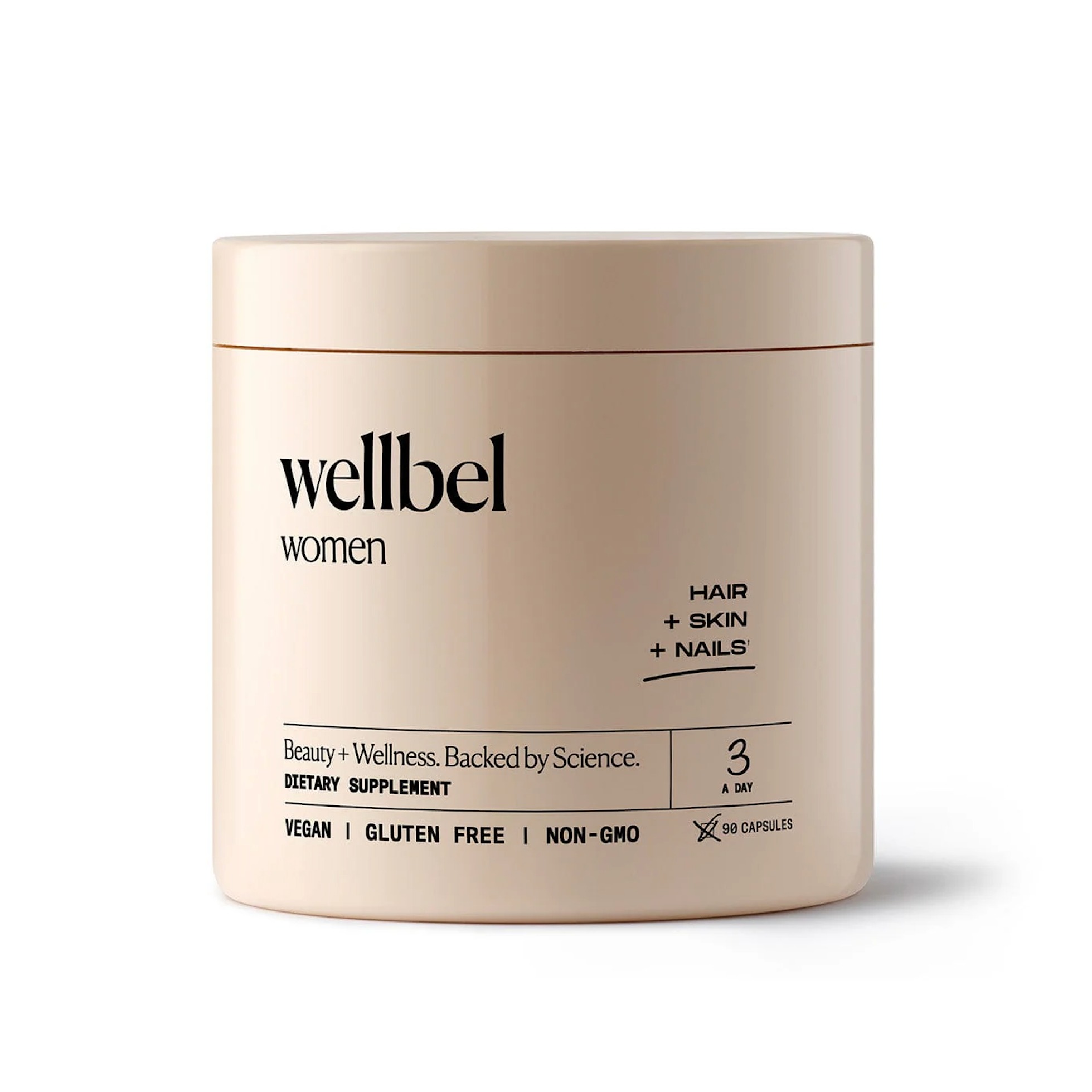
Shedding, dryness and slower growth are common. The hormonal shift is one driver; low iron, thyroid changes and stress are others, and they often arrive together. A perimenopause assessment at Ageless Living includes ferritin, thyroid markers and, where indicated, androgens, because treating hair loss without knowing which driver is active is guesswork.
Sleep first
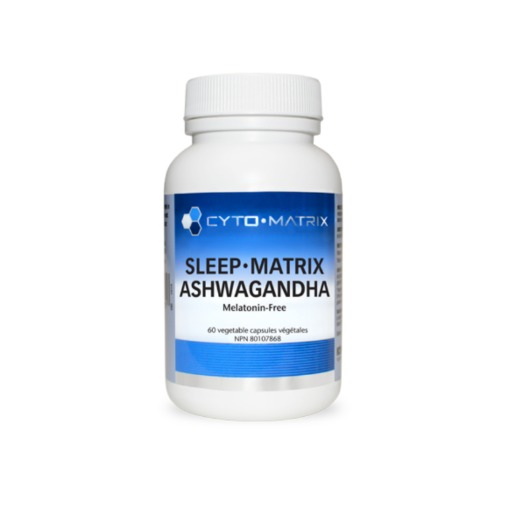
Night sweats and early waking are among the earliest and most disruptive symptoms, and among the fastest to respond. Patients starting bioidentical hormone therapy usually notice sleep improve within the first month. Where hormone therapy is not appropriate, non-hormonal options and targeted sleep support are on the table too.
Rebuilding the routine
- Cleanse with cream or milk, not foam, and stop any harsh acids for now.
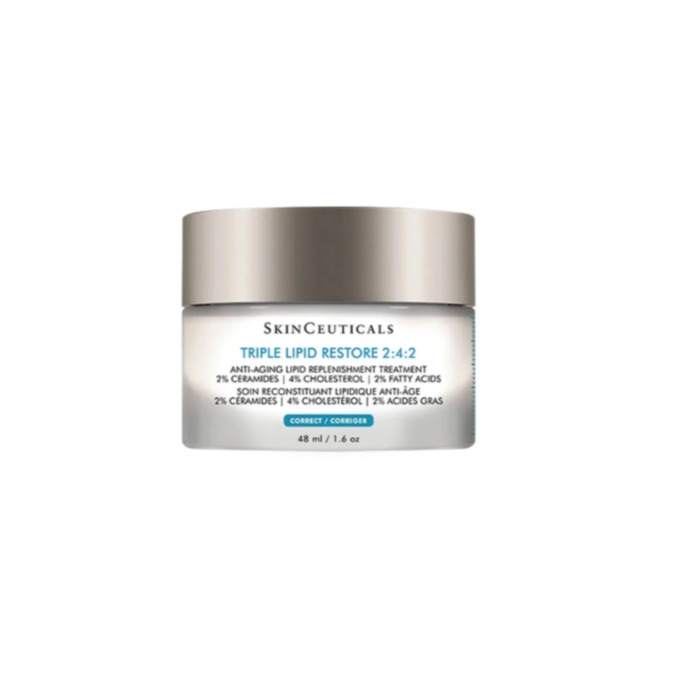
- Rebuild lipids: a ceramide and cholesterol cream at night replaces what the skin no longer makes enough of.
- Reintroduce a gentle encapsulated retinol on alternate nights once the barrier is comfortable; it remains the best-supported topical for collagen.
- Add a peptide or growth-factor serum for firmness, and a hyaluronic acid serum under moisturiser for volume.
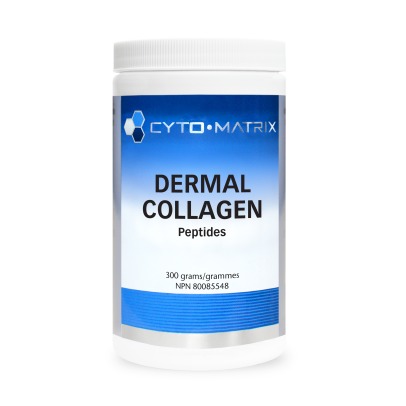
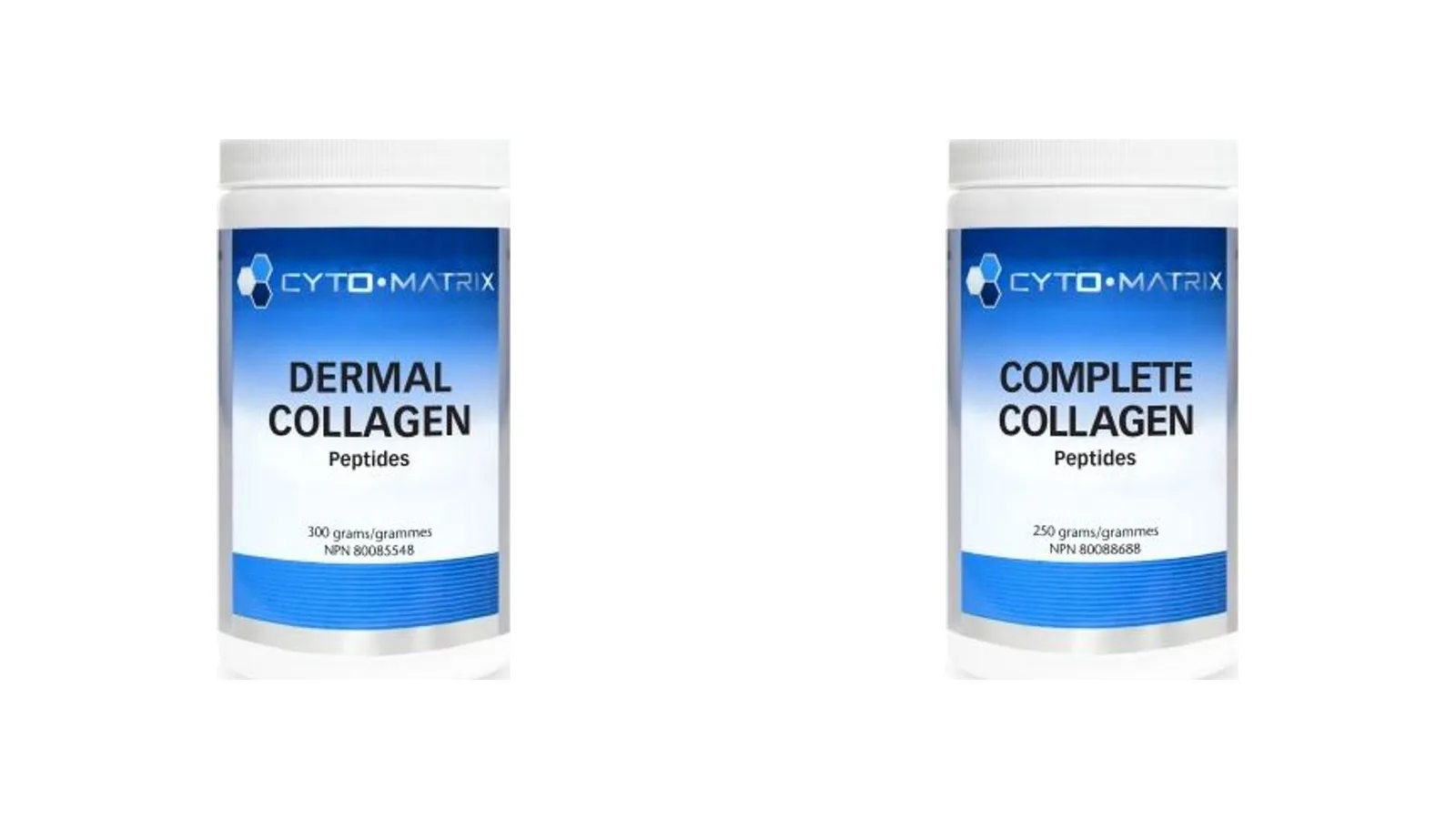
- Take collagen peptides daily. The evidence for improved skin elasticity and hydration over eight to twelve weeks is reasonable, and they are easy to keep up.
- Mineral SPF every morning, since melasma risk rises in this window.
In clinic
Collagen stimulation is the theme: microneedling, radiofrequency where available, and biostimulatory treatments such as Sculptra for diffuse volume loss. Conservatively placed filler restores structure the midface has lost. All of it holds better when the hormonal picture underneath has been addressed, which is why our skin and hormone teams work from the same file.
Questions we hear
- Does hormone therapy improve skin?
- Restoring estrogen supports collagen, hydration and skin thickness, and many patients notice their skin improve alongside sleep and energy. It is prescribed for symptoms and health, with skin benefit as a welcome effect rather than the reason.
- Why is my hair shedding in perimenopause?
- Declining estrogen shortens the hair growth phase. Low iron, thyroid change and stress often contribute at the same time, which is why we test all of them before treating.
- What skincare should I change in perimenopause?
- Move to gentler cleansing, add lipids and hyaluronic acid, keep a gentle retinol for collagen, add peptides, and never skip mineral SPF. Support it internally with collagen peptides.
Information in this article is educational and not a substitute for medical advice. Individual response varies; what is right for you is confirmed in consultation.