The Sleep Stack: Magnesium, Melatonin and Ashwagandha, Used Properly
Three supplements with real evidence for sleep, and the mistakes that stop them working: the wrong magnesium, too much melatonin, ashwagandha at the wrong time. How our team builds a sleep stack.
By Ageless Living Pharmacy & Nutrition TeamPharmacist, clinical nutritionists and naturopathic care

Poor sleep is the complaint underneath half the others we see: fatigue, weight that will not move, skin that will not calm, a mood that will not lift. Supplements are not the whole answer, and they are not the first answer, but three of them have enough evidence and enough patient results that our team builds a stack from them regularly. The details of form, dose and timing are what separate a stack that works from a drawer of bottles.
Magnesium: the form matters
Magnesium is involved in hundreds of enzyme reactions including the ones that calm the nervous system, and dietary intake is commonly low. Magnesium oxide, the cheapest form, is poorly absorbed and mostly a laxative. Magnesium bisglycinate is chelated to glycine, which is well absorbed, easy on the stomach, and glycine itself has evidence for sleep quality. Two hundred milligrams of elemental magnesium in the evening is the usual starting point.
Melatonin: less is more
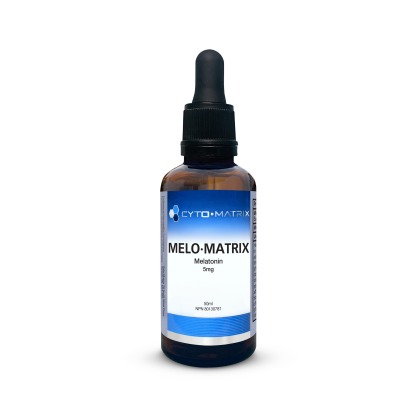
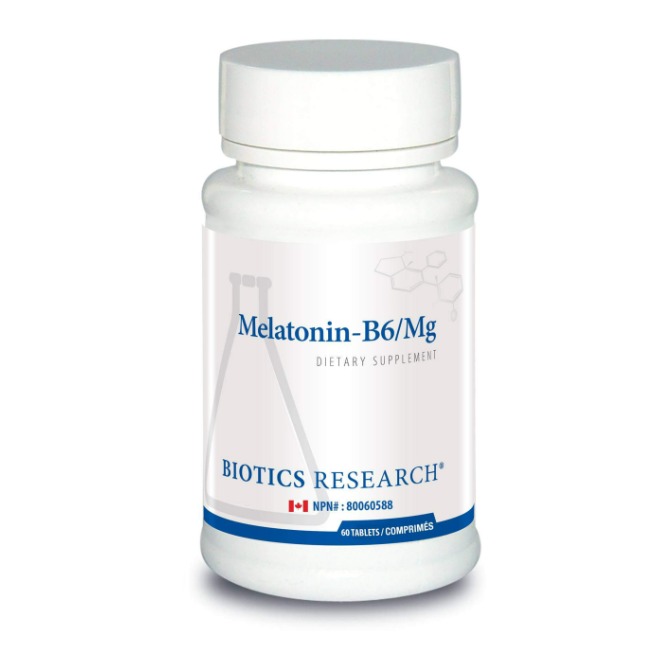
Melatonin is a timing signal, not a sedative. The body makes it in tiny amounts, and the doses in many products are ten to twenty times physiological, which can leave people groggy and are no more effective. The evidence favours half a milligram to two milligrams, taken about an hour before the bedtime you want. A liquid with five milligrams per millilitre lets you titrate to the smallest dose that works. A formulation that pairs melatonin with B6 and magnesium glycinate covers the cofactors in one capsule.
Ashwagandha: consistency, not rescue
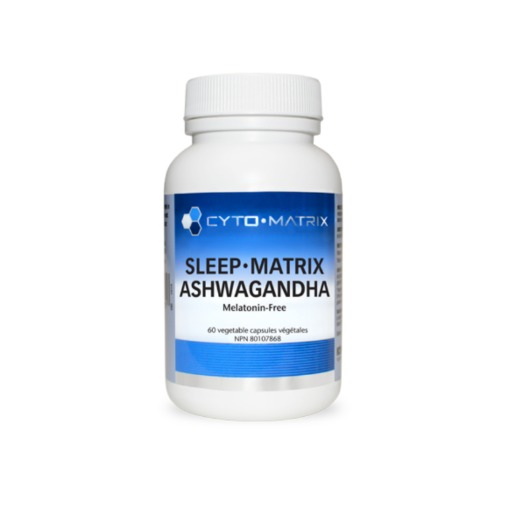
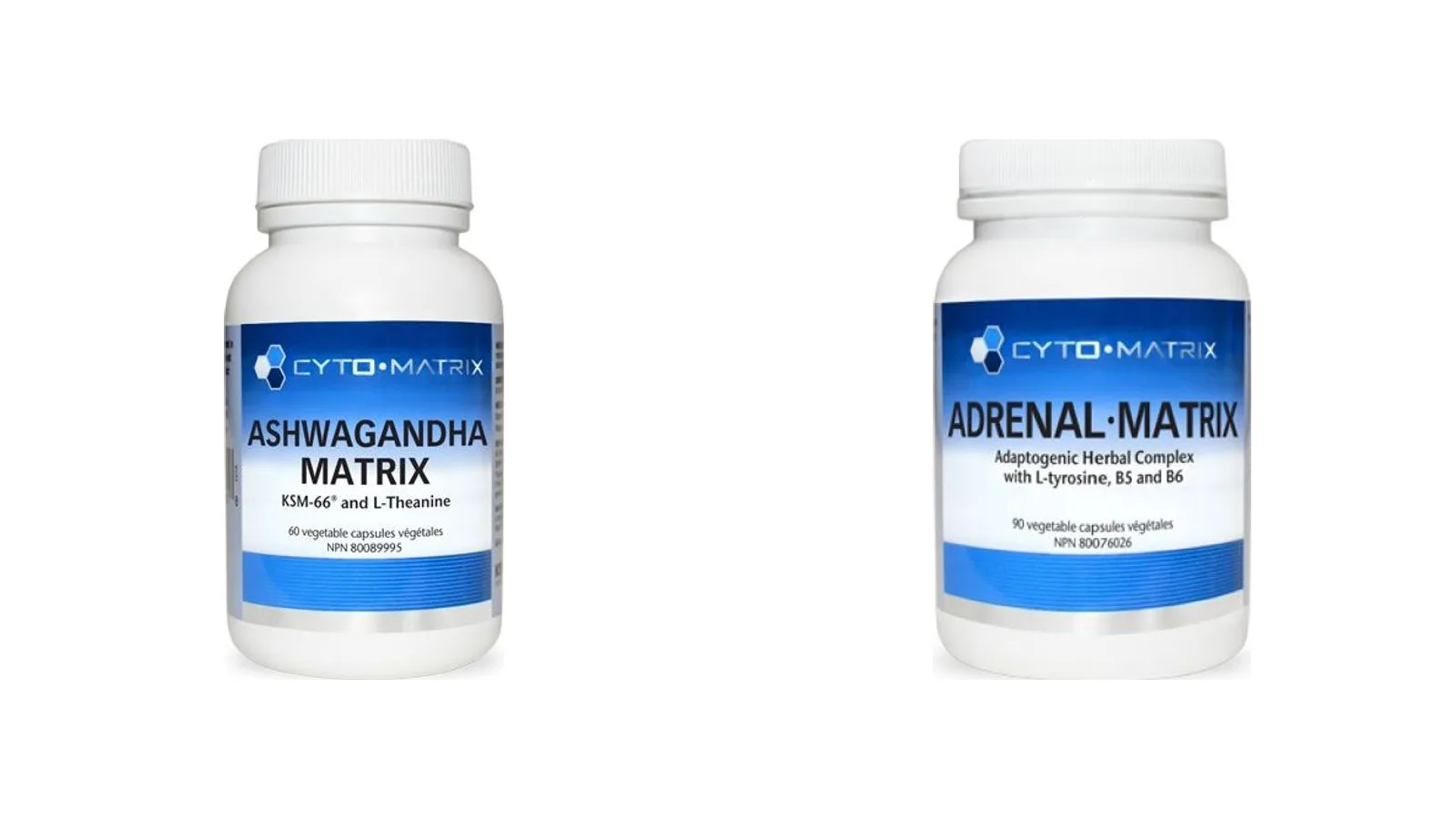
Ashwagandha is an adaptogen with reasonable trial evidence for reducing cortisol, stress scores and sleep onset time. It works over weeks of daily use rather than on the night you take it. The formulation we stock pairs a full-spectrum root extract with L-theanine, which adds a calming effect within the hour. Take it in the evening, every evening, for at least a month before judging it.
GABA and 5-HTP: the additions
GABA is the brain's main calming neurotransmitter and a supplement that some patients find takes the edge off a racing mind at bedtime. 5-HTP is the precursor to serotonin and then melatonin, and is used where low mood and poor sleep travel together. Both are additions to the base stack, chosen individually, and 5-HTP in particular is checked against any medication you take.
When the stack is not enough
If you are still waking at 3am after four weeks, the driver is usually not a deficiency the stack can fix. Night waking is a classic sign of disrupted cortisol rhythm and of perimenopause, and both are testable. Sleep apnea is under-diagnosed in anyone who snores. That is the point at which a physician consultation, and often a hormone panel, is the right next step rather than another supplement.
Questions we hear
- Which magnesium is best for sleep?
- Magnesium bisglycinate. It is well absorbed, gentle on digestion, and the glycine it is bound to supports sleep in its own right. Magnesium oxide is poorly absorbed and mainly a laxative.
- How much melatonin should I take?
- Half a milligram to two milligrams, about an hour before bed. Higher doses are not more effective and often cause grogginess. A liquid lets you find your lowest effective dose.
- Can I take magnesium, melatonin and ashwagandha together?
- Yes. They work on different parts of sleep and are commonly stacked. Start with magnesium and ashwagandha, add low-dose melatonin if sleep onset is the problem.
Information in this article is educational and not a substitute for medical advice. Individual response varies; what is right for you is confirmed in consultation.