Stress, Cortisol and Adaptogens: Wired but Tired, Explained
Evenings when you are exhausted and cannot switch off, mornings when you cannot start: a cortisol rhythm that has flipped. How we test it, how ashwagandha and adrenal formulas help, and when they are not enough.
By Ageless Living Pharmacy & Nutrition TeamPharmacist, clinical nutritionists and naturopathic care
Cortisol is not the enemy. It is the hormone that gets you out of bed, holds blood sugar steady and keeps inflammation in check, and its rhythm is meant to be a curve: highest in the first hour after waking, sloping down through the day, lowest at midnight. Chronic stress, poor sleep, shift work and illness flatten that curve or flip it. The result is the pattern half our patients describe: unable to start in the morning, unable to stop at night.
Testing the curve, not a point
A single morning cortisol in blood tells you one point on the curve, and it is often normal in people who feel terrible. A four-point salivary test, taken on waking, at noon, in the late afternoon and at bedtime, shows the shape. A flat morning with a high evening explains the wired-but-tired pattern; a curve that is low all day points somewhere else. The test sits inside the hormone panel at the clinic, because cortisol, thyroid and sex hormones affect each other.
Ashwagandha
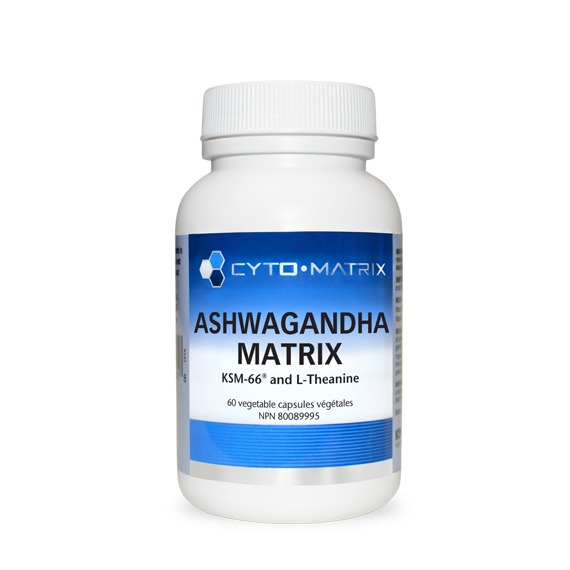
Among adaptogens, ashwagandha has the most consistent trial evidence: reductions in cortisol, in validated stress and anxiety scores, and improvements in sleep over six to twelve weeks of daily use. The full-spectrum root extract is the form studied. We stock it paired with L-theanine, which adds a same-day calming effect without sedation, and in a sleep-focused formula for the evening. It is taken every day, not as a rescue, and it is reviewed after two months.
Adrenal support formulas
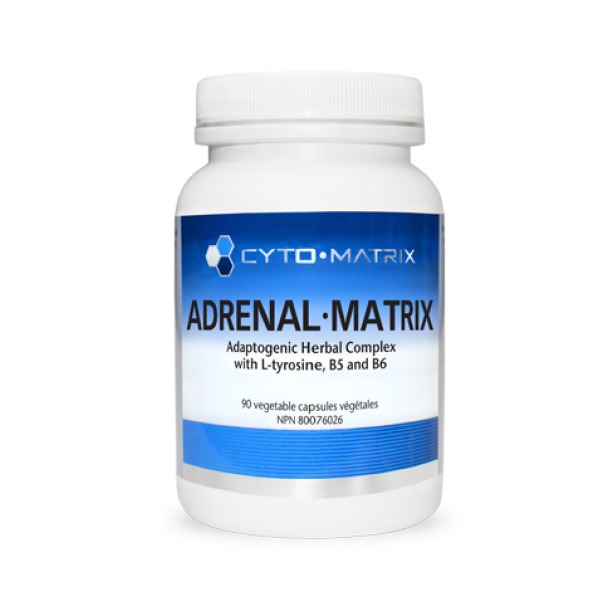
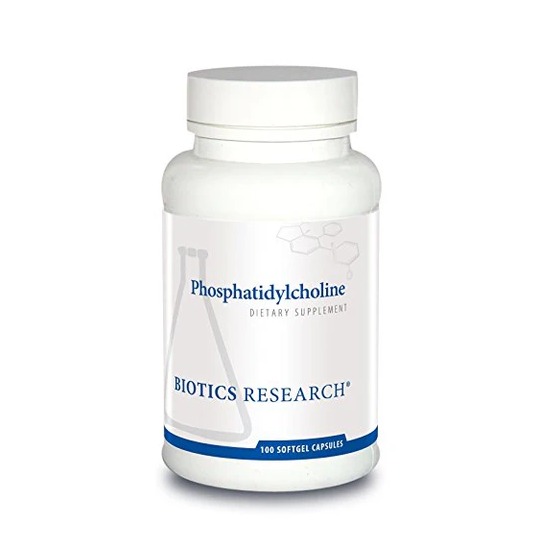
The stress response consumes B vitamins, vitamin C and magnesium, and it is supported by a wider group of herbs such as rhodiola and holy basil. An adrenal formula combines those in one capsule for the phase when the curve is being rebuilt. Phosphatidylserine has specific evidence for blunting an excessive evening cortisol response and is used where the night-time peak is the main problem.
What the supplements cannot do
- Replace sleep. A consistent wake time and morning daylight reset the curve faster than any capsule.
- Offset a load that is genuinely too high. Sometimes the intervention is the calendar.
- Fix a curve that stays flipped. After two months of a good stack, persistent symptoms need a physician review of thyroid, sex hormones, sleep apnea and mood.
In clinic
For a nervous system stuck on high alert, the biohacking suite adds NuCalm, BrainTap and neurofeedback to the plan, with infrared sauna as a closing step. The supplements support the rebuild; the technologies train the system to hold it.
Questions we hear
- Is adrenal fatigue real?
- The adrenal glands do not wear out, but the cortisol rhythm genuinely becomes disrupted under chronic stress, and the symptoms are real. We test the rhythm with a four-point salivary cortisol test and treat what it shows.
- How long does ashwagandha take to work?
- Trials show changes in cortisol and stress scores over six to twelve weeks of daily use. The L-theanine we pair it with gives a calming effect within the hour, but the adaptogen effect builds over time.
- Can I take ashwagandha with thyroid medication?
- Ashwagandha can modestly raise thyroid hormone levels, so it is checked against your thyroid results and medication before it is recommended.
Information in this article is educational and not a substitute for medical advice. Individual response varies; what is right for you is confirmed in consultation.