Collagen Peptides: Do They Work, and Which One Should You Take?
Hydrolysed collagen has better evidence than its reputation suggests, for skin elasticity, hydration and joints. What the studies show, dermal versus complete collagen, how much to take, and how long before you see it.
By Ageless Living Pharmacy & Nutrition TeamPharmacist, clinical nutritionists and naturopathic care
Collagen supplements have suffered from a plausible objection: collagen is a protein, so surely it is digested into amino acids like any other and never reaches the skin. The answer turned out to be more interesting. Hydrolysed collagen is absorbed partly as short peptides, and those peptides act as signals in the skin, prompting fibroblasts to make more collagen and hyaluronic acid of their own. That mechanism is now reasonably well characterised, and the clinical trials followed.
What the evidence shows
Across a number of randomised trials and several meta-analyses, daily collagen peptides improved skin elasticity, hydration and measured wrinkle depth over eight to twelve weeks compared with placebo, with effects that persisted for weeks after stopping. Joint comfort in active adults and bone density in postmenopausal women have supporting data too. It is not dramatic and it is not instant. It is a consistent, modest, measurable improvement, which is more than most supplements can claim.
Dermal versus complete
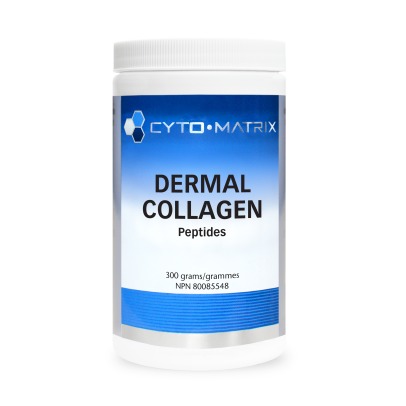
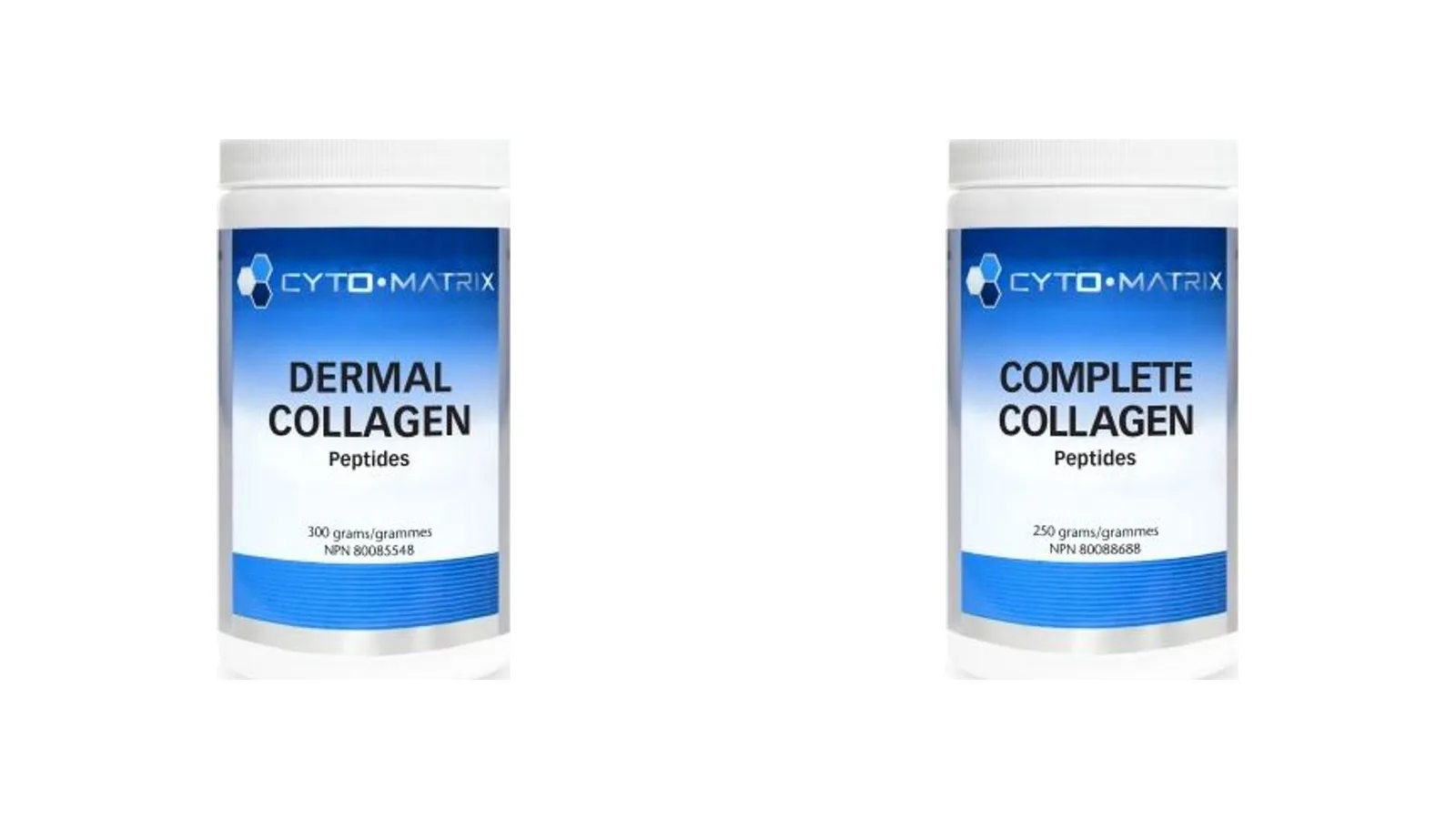
- Dermal Collagen Peptides: specific bioactive peptides selected for their action on skin, hair and nails. The one we recommend alongside skin treatments, filler and through perimenopause.
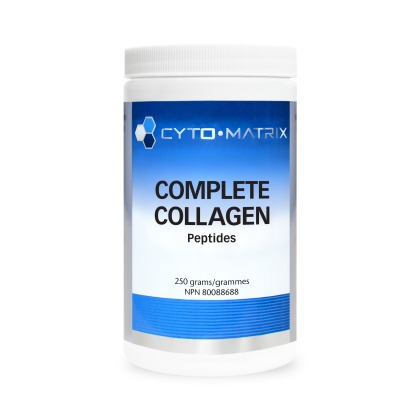
- Complete Collagen Peptides: a broader hydrolysed collagen for skin plus joints, bone, muscle recovery and gut lining. The one for the patient whose knees are as much the concern as their face.
- A liquid dermal collagen exists for those who prefer a dose that needs no mixing.
How to take it
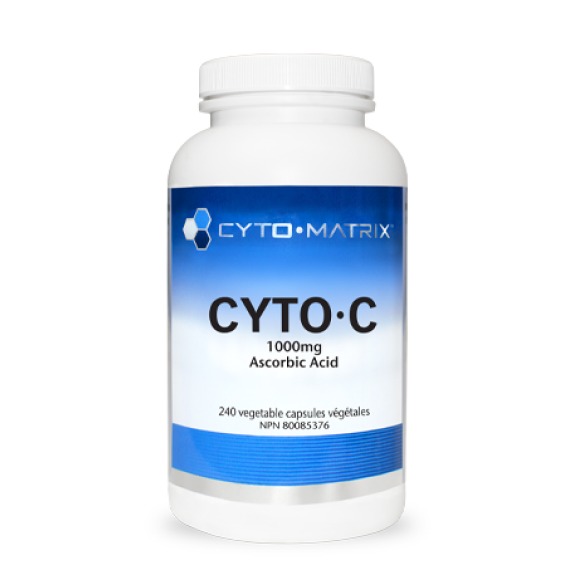
The trials used two and a half to ten grams a day. Powder dissolves in anything, hot or cold, and has little taste, which is why compliance is high. Take it with vitamin C, or in a routine where you already take one, since vitamin C is a required cofactor for collagen synthesis. Timing does not matter; consistency does.
Where it fits
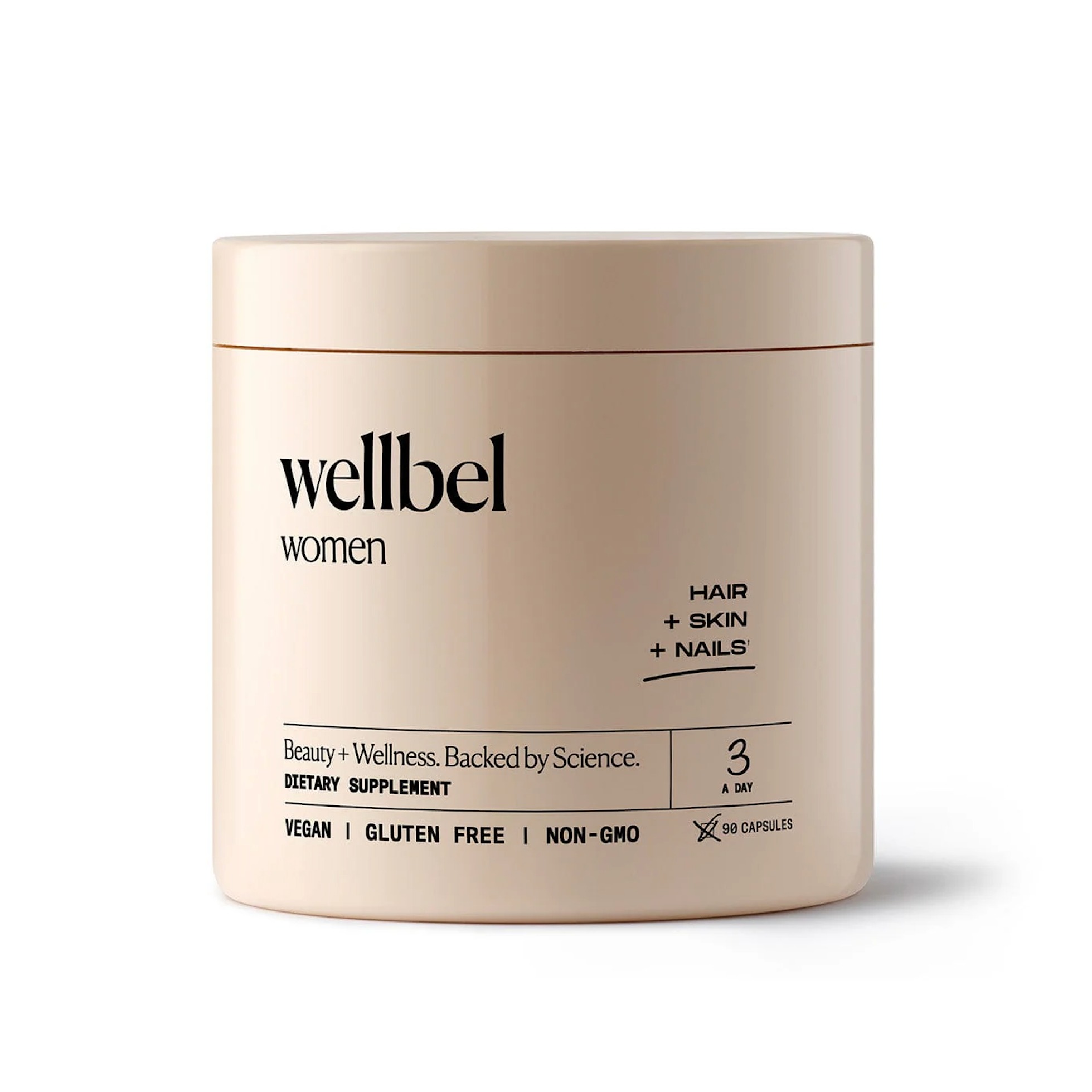
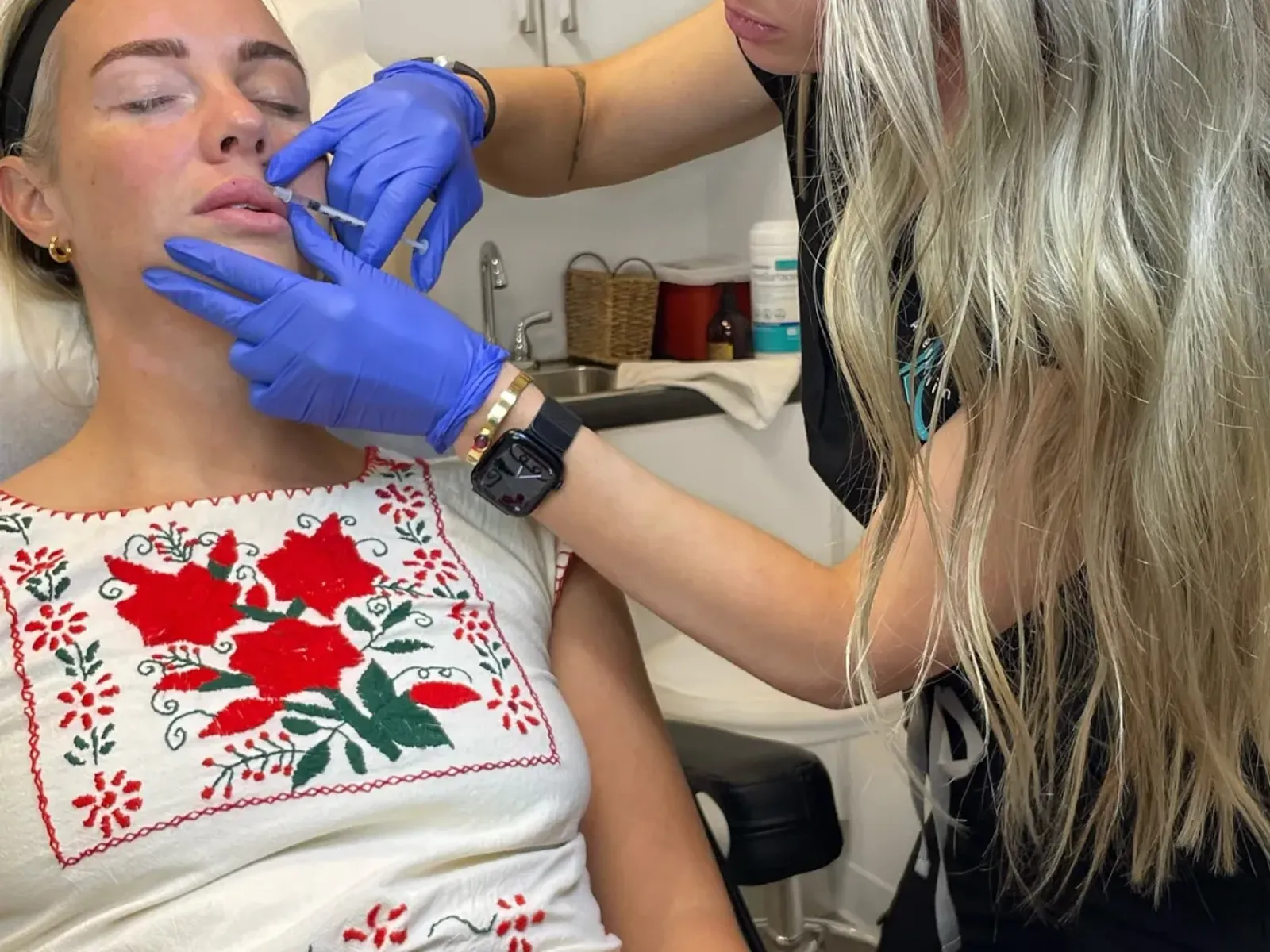
Collagen peptides are part of the Injectable and Collagen Support package because they extend the skin-quality side of filler and neuromodulator results. They support recovery after microneedling and biostimulatory treatments, and they address the collagen loss that accelerates when estrogen declines. For hair and nails, a physician-formulated hair, skin and nail supplement is a reasonable partner.
Questions we hear
- How long does collagen take to work?
- Most trials measured change at eight to twelve weeks. Hydration tends to improve first, elasticity and wrinkle depth over the following months.
- Is marine or bovine collagen better?
- Both are hydrolysed into similar bioactive peptides. What matters more is the peptide profile and the dose; the formulations we stock are selected on that basis.
- Can I take collagen after filler?
- Yes, and we recommend it. It supports the skin quality around the filler and is part of our Injectable and Collagen Support package.
Information in this article is educational and not a substitute for medical advice. Individual response varies; what is right for you is confirmed in consultation.