NAD+ and Longevity: What the Science Says, and How to Raise It Sensibly
NAD+ is the coenzyme every cell uses to make energy and repair DNA, and it declines with age. What the evidence supports, why a whole-system approach beats a single precursor, and where resveratrol fits.
By Ageless Living Pharmacy & Nutrition TeamPharmacist, clinical nutritionists and naturopathic care
Nicotinamide adenine dinucleotide, NAD+, is one of the most abundant molecules in the body and one of the least known outside longevity research. Every cell uses it to turn food into energy, to repair DNA and to run the sirtuin proteins that regulate how cells age. Levels decline markedly with age, and that decline is one of the better-supported mechanisms behind the fatigue, slower recovery and metabolic drift of midlife.
Why the single-precursor approach disappoints
Most NAD+ products supply one precursor, nicotinamide riboside or nicotinamide mononucleotide, on the theory that more raw material means more NAD+. The problem is that NAD+ falls with age for two other reasons: the enzyme that recycles it, NAMPT, slows down, and an enzyme called CD38 consumes more of it. Pouring precursor into a leaky, slow system helps less than the marketing suggests.
The whole-system approach
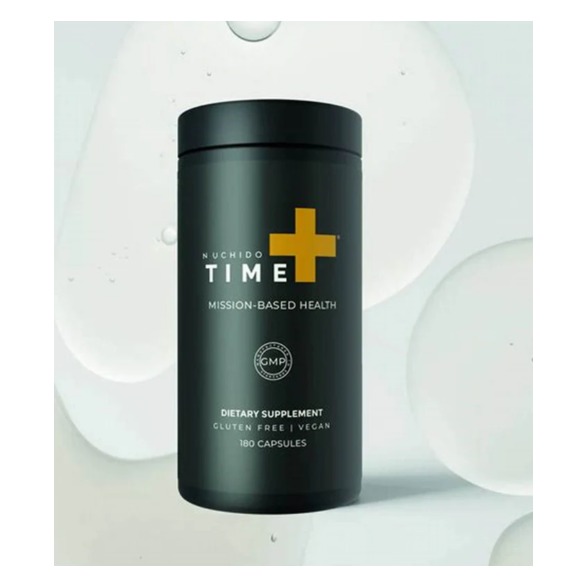
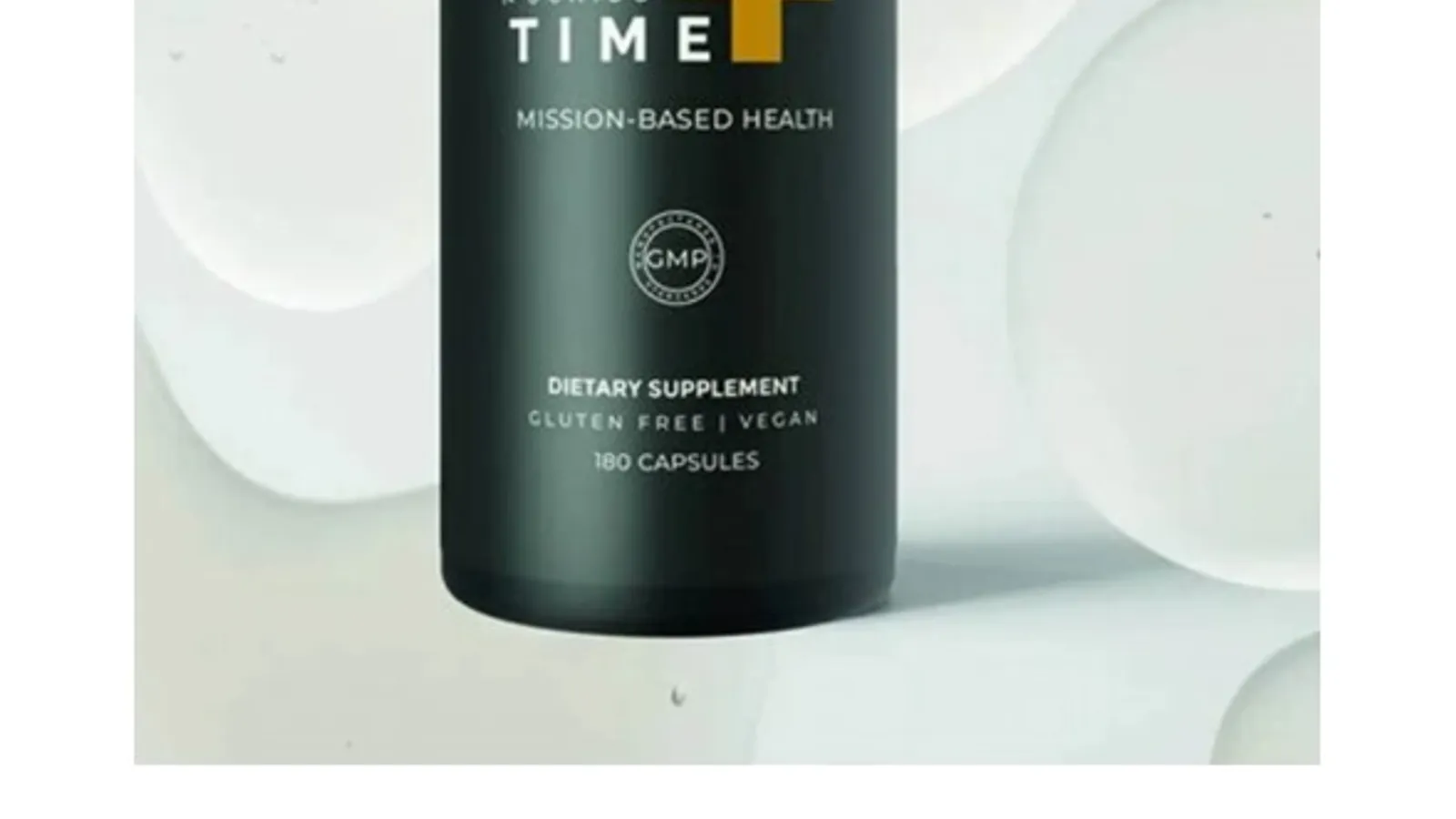
The formulation we stock, Nuchido TIME+, was designed from that systems view. It combines ingredients that support the salvage pathway so the body recycles NAD+ efficiently, ingredients that inhibit the waste of NAD+ by CD38, a precursor, and cofactors the pathway needs. Its developers report meaningful rises in whole-blood NAD+ in a placebo-controlled trial, which is more than most products in the category can say.
Resveratrol, quercetin and CoQ10
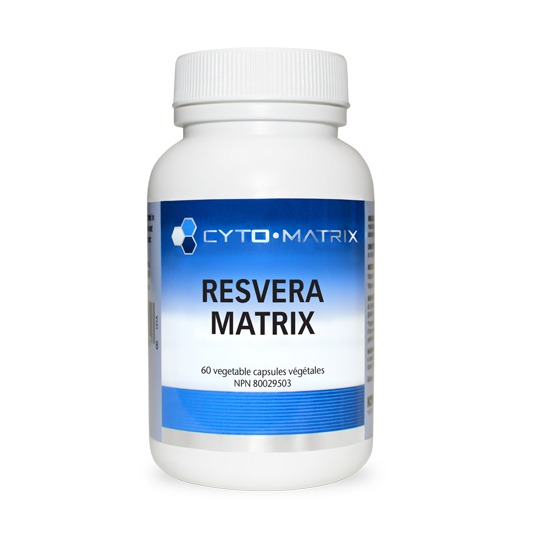
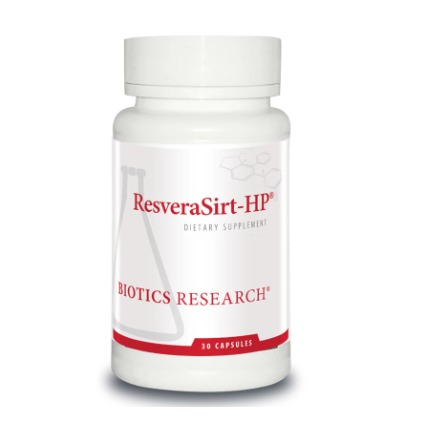
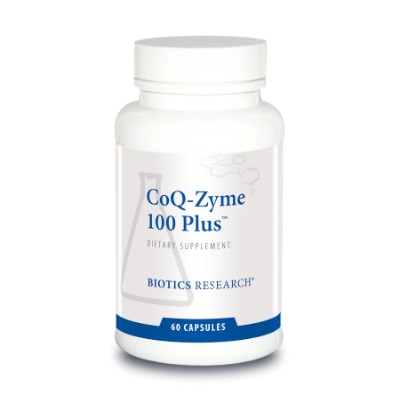
Resveratrol activates sirtuins, the NAD+-dependent proteins linked to longevity, which is why it is the natural partner. It is poorly absorbed and quickly metabolised on its own; the formulations we carry pair trans-resveratrol with quercetin to slow that metabolism, or combine it with other bioflavonoids. Emulsified CoQ10 supports the mitochondrial electron transport chain that NAD+ feeds, and is particularly relevant for anyone on a statin.
What raises NAD+ for free
- Exercise, especially resistance and interval training, upregulates NAMPT.
- Sleep and a consistent circadian rhythm; NAD+ synthesis follows the body clock.
- Controlling blood sugar and reducing alcohol, both of which consume NAD+.
- Not overeating; NAD+ rises in the fasted state.
Who it is for
Patients in a longevity, fatigue or recovery protocol at the clinic, and anyone in midlife who wants to support the mechanism rather than chase a symptom. It is not a stimulant and it is not quick; most people describe steadier energy and better recovery over four to eight weeks. As with everything on our shelf, it is chosen against bloodwork and the rest of your plan.
Questions we hear
- Is NAD+ better as a supplement or an IV?
- IV NAD+ delivers a large dose quickly and is used in some protocols, but the effect is short-lived and the sessions are long and costly. A whole-system oral formula that supports the body's own production is the sustainable option for most people.
- NMN or NR: which is better?
- Both are precursors and both add raw material. Neither addresses the recycling and consumption problems that cause NAD+ to fall with age, which is why we prefer a formula that supports the whole pathway.
- Does resveratrol work?
- It activates sirtuins in cell and animal studies and has modest human data for metabolic and vascular markers. Absorption is the limiting factor, which the quercetin-paired formulations address.
Information in this article is educational and not a substitute for medical advice. Individual response varies; what is right for you is confirmed in consultation.