Ageless Genetics: What a DNA Test Can and Cannot Tell You About Skin, Hair, Weight and Longevity
Four non-invasive genetic kits — Skin Health, Hair Loss, Weight Management and the 4 Horsemen advanced biomarker panel — and a results consultation with a physician. What they map, how they are used, and their honest limits.
By Ageless Living PhysiciansInternal medicine, hormone and metabolic care
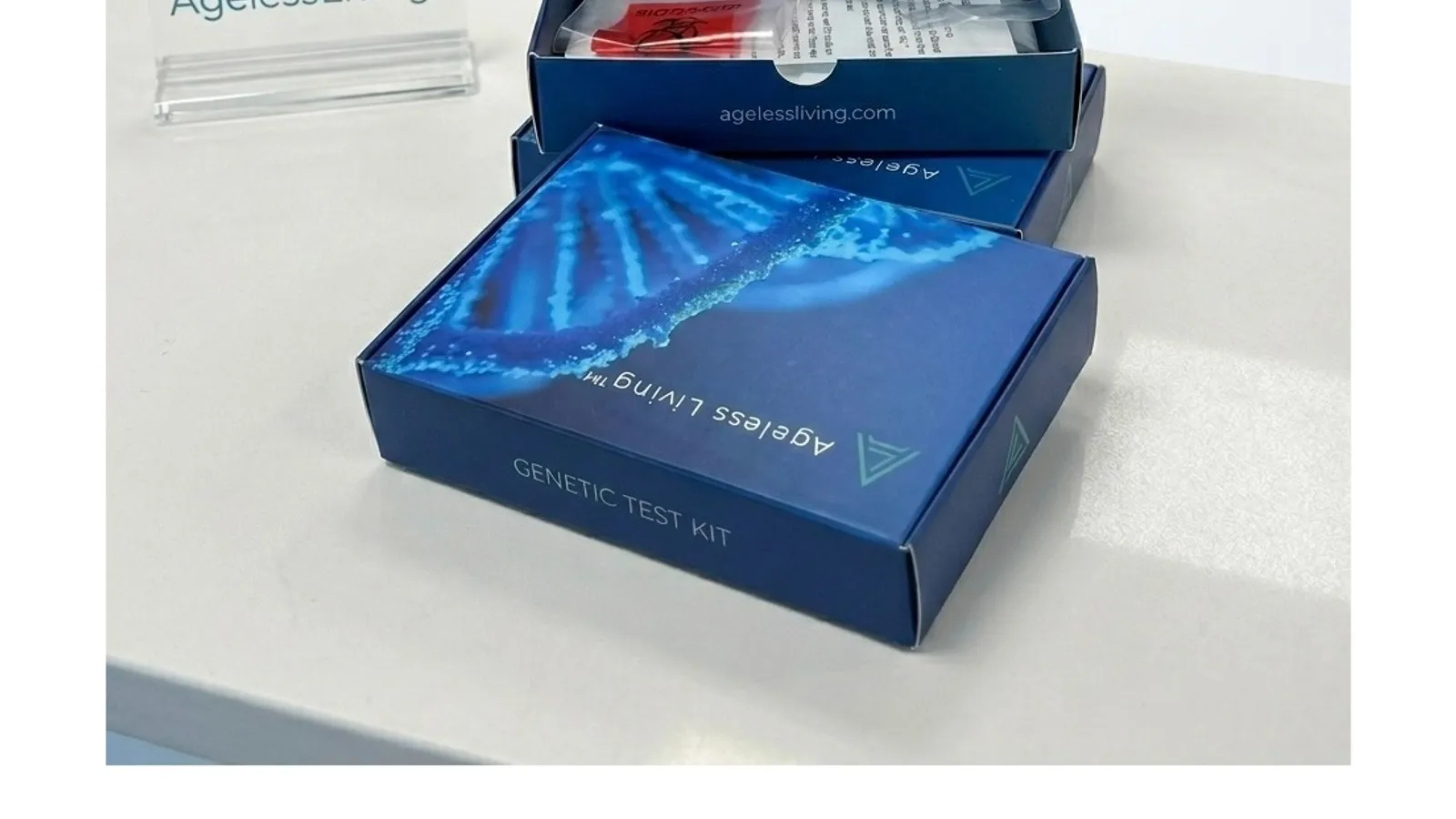
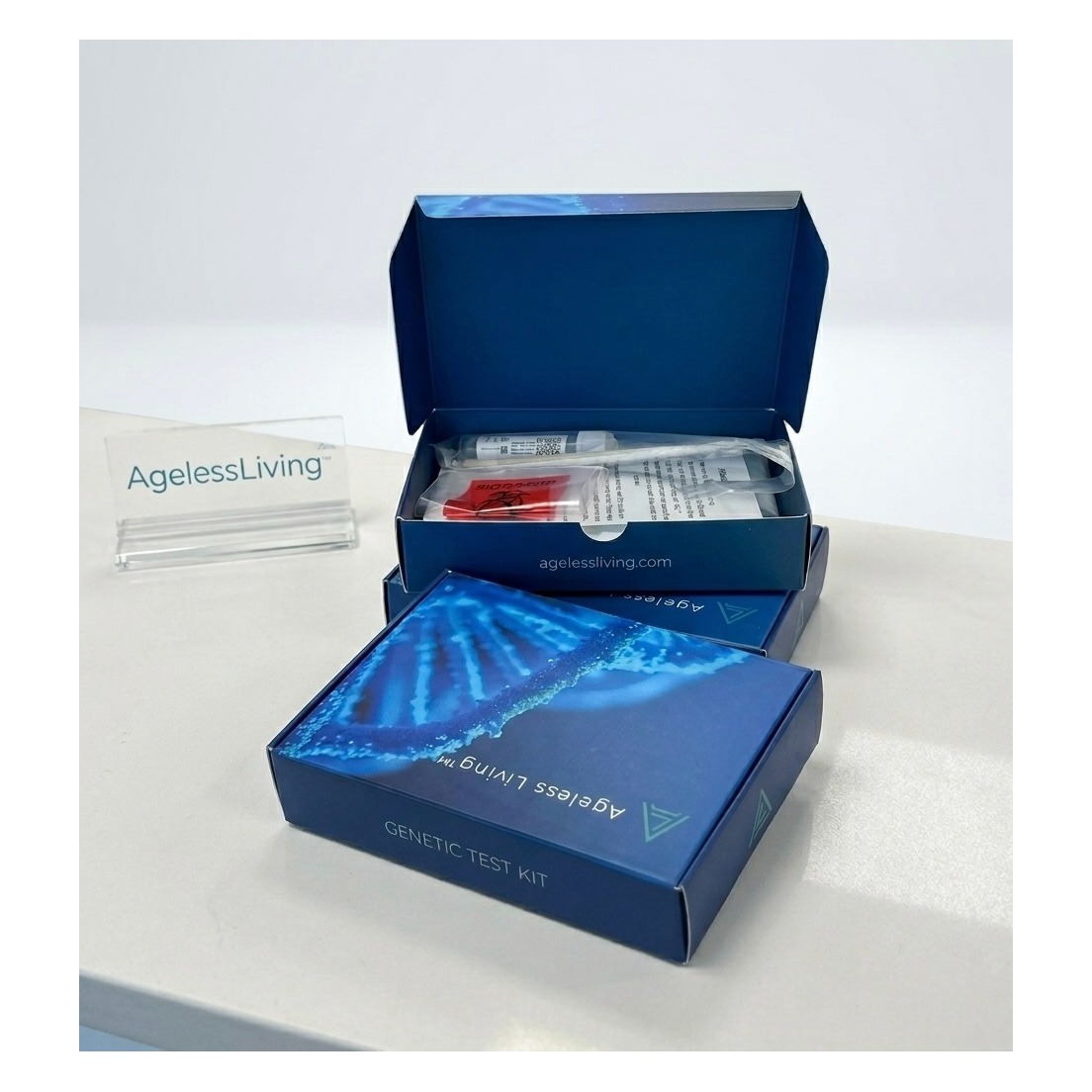
A genetic test is useful for exactly one thing: telling you what your body is inclined to do, so a plan can work with that rather than against it. It cannot tell you what will happen, and any test that claims to should be treated with suspicion. Used properly, alongside bloodwork and a physician who can interpret both, it removes a great deal of guesswork from skincare, hair loss, weight and prevention. That is why we developed the Ageless Genetics kits and why every one of them comes with a results consultation.
Skin Health
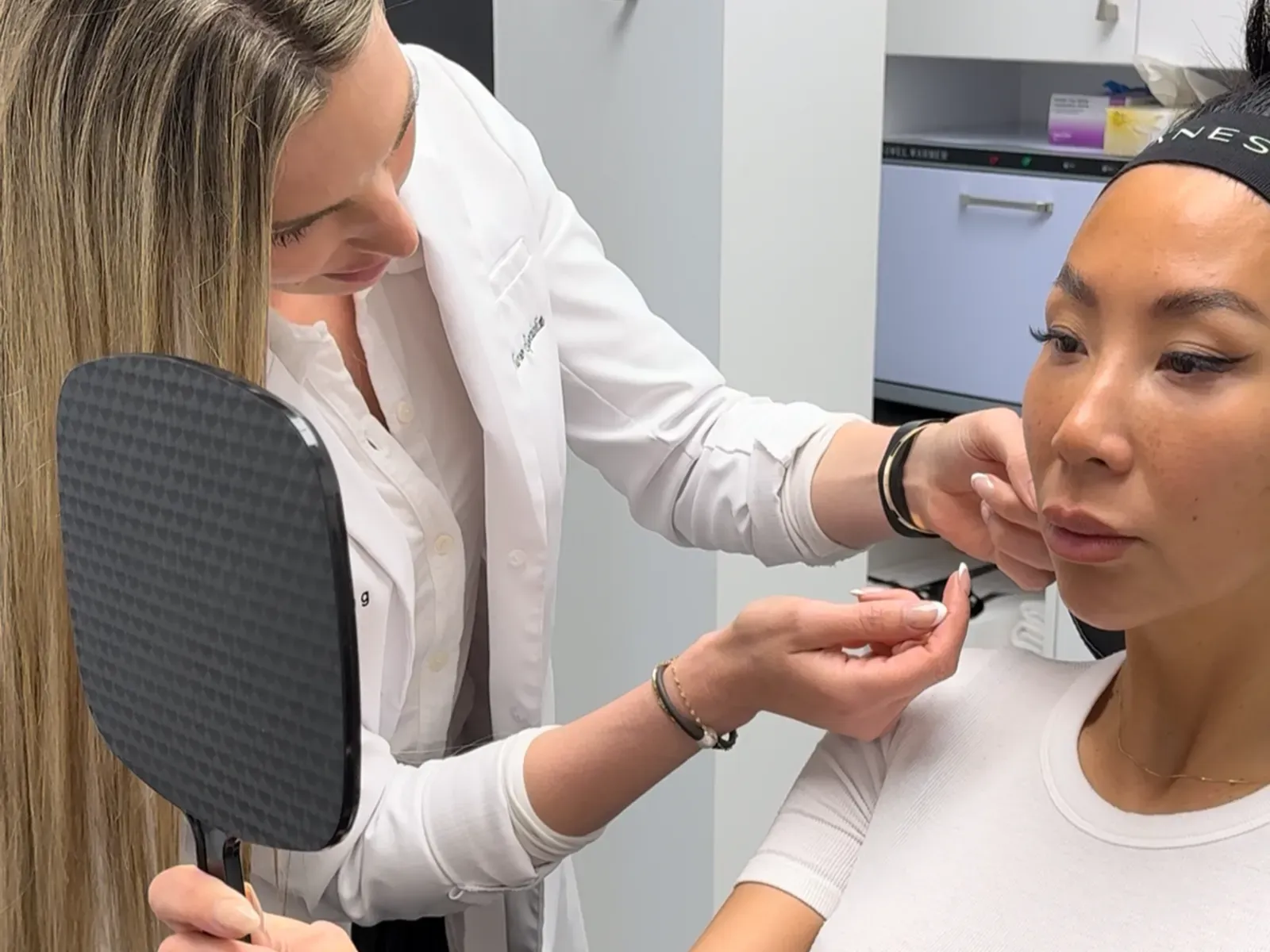
Skin is programmed from the inside. The Skin Health kit maps nine core biological pathways, including collagen production and breakdown, antioxidant capacity, inflammation, pigmentation and sensitivity, so a routine and a treatment plan can be built around what your skin is predisposed to rather than what a trend suggests. A patient with a strong pigmentation tendency, for example, is steered toward peels and iron-oxide SPF and away from heat-based treatments before a single spot appears.
Hair Loss
Generic hair growth products fail because hair loss has several drivers and they address one at random. The Hair Loss kit is designed to uncover the underlying biological pathways behind thinning, so the plan targets the right one: hormonal, inflammatory, nutritional or circulatory. It is paired with the ferritin, thyroid and hormone testing that frequently explains the rest.
Weight Management
One-size diet programs fail because they ignore the DNA underneath. The Weight Management kit maps how your metabolism handles carbohydrates and fats, how it responds to exercise, and the pathways behind appetite and insulin sensitivity, which lets the Health Weight Program set protein, carbohydrate and training targets that fit you rather than a template.
The 4 Horsemen and advanced biomarkers
Four chronic conditions, cardiovascular disease, cancer, neurodegenerative disease and metabolic disease, cause most deaths in non-smokers over fifty. This comprehensive panel moves past isolated mutations to evaluate broader biological pathways and risk markers for each, paired with advanced blood biomarkers, so prevention can start decades early and be aimed at what you are actually at risk of. It is the test for the patient who wants a longevity plan built on their own biology.
Reading the results properly
Every kit is a simple cheek swab you can do at home or in clinic. Results are reviewed in a thirty-minute consultation with an Ageless Living expert, read against your bloodwork, and turned into recommendations. That step is not optional in our view: a genetic report without interpretation is a list of tendencies, and a tendency is not a diagnosis. Genetics load the dice; sleep, food, movement, hormones and the treatments you choose decide the roll.
Questions we hear
- Is a genetic test a diagnosis?
- No. It shows predisposition across biological pathways. It is interpreted alongside bloodwork and symptoms by a physician, and it guides a plan rather than delivering a verdict.
- How is the sample collected?
- A non-invasive cheek swab, done at home or in clinic, returned for analysis. Results are reviewed with you in a thirty-minute consultation.
- Which Ageless Genetics test should I start with?
- Choose by the concern you want to act on: Skin Health for a routine and treatment plan, Hair Loss for thinning, Weight Management for the Health Weight Program, and the 4 Horsemen panel for long-term prevention.
Information in this article is educational and not a substitute for medical advice. Individual response varies; what is right for you is confirmed in consultation.