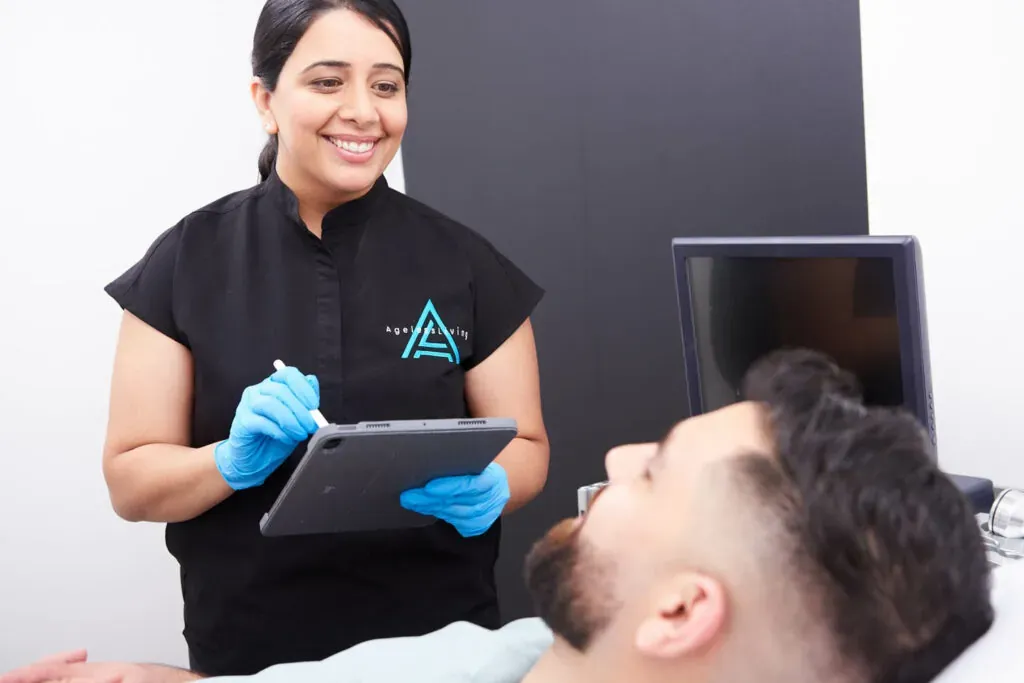
What a Clinical Skin Assessment Actually Looks At (and Why We Do It First)
Before anyone at Ageless Living resurfaces, needles or lasers your skin, a practitioner assesses barrier, inflammation and the internal drivers underneath. Here is what that first hour covers.
By Ageless Living Aesthetics TeamMedical aestheticians and nurse injectors
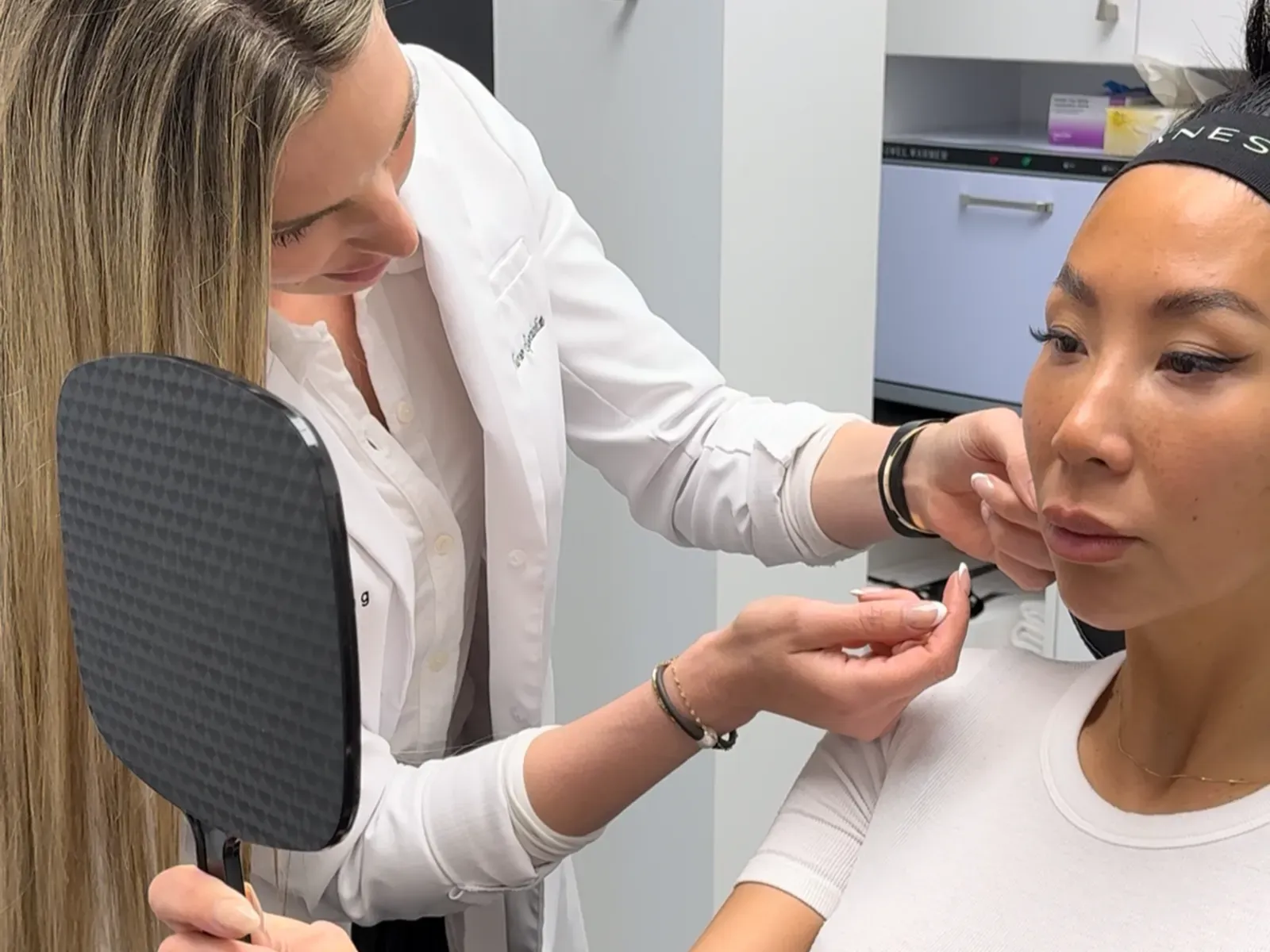
Most people arrive at a skin consultation with a treatment already in mind. They have read about microneedling, or a friend had a peel, or a device on social media promised a lot. The first thing our practitioners do is set that aside for an hour and look at the skin itself.
That is not a formality. Skin that has been over-treated, stripped by strong actives or is quietly inflamed responds badly to exactly the procedures people ask for most. Assessing first is how we avoid making a reactive face more reactive.
The three things we check before anything else
- Barrier function: how the skin holds water, how it reacts to touch and product, and whether tightness, flaking or stinging point to a compromised barrier.
- Inflammation: diffuse redness, visible vessels, cyclical breakouts and the pattern they follow, since inflamed skin is treated differently from simply congested skin.
- Pigment behaviour: whether dark marks are post-inflammatory, sun-driven or hormonal melasma, because heat-based treatments can make melasma worse.
Why we ask about hormones, sleep and blood sugar
Jawline breakouts that arrive on a cycle, skin that thinned quickly through perimenopause, or pigment that appeared with a new medication all have an internal story. A topical routine can manage them; it rarely resolves them.
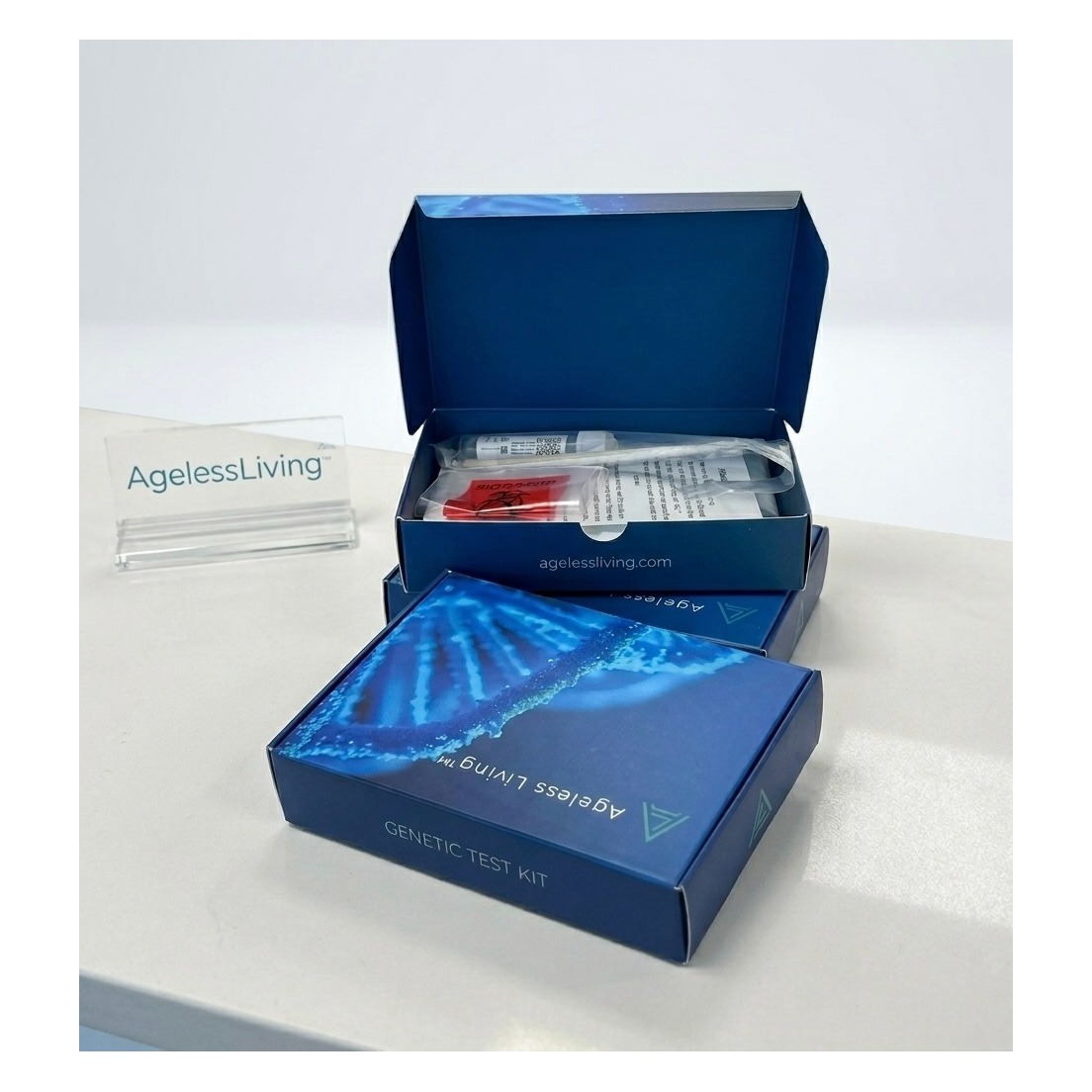
Because Ageless Living is a physician-led clinic, a skin assessment can hand off to bloodwork when it should. Androgen and insulin markers for adult acne, a hormone panel for skin that changed in midlife, thyroid markers for hair and skin that dried out together. Treating the driver is what makes the aesthetic work hold.
What you leave with
A written protocol: the order of treatments we recommend, the home routine that supports them, and the points at which we will photograph your skin in the same light as your baseline to measure change honestly.
The timeline is deliberately measured in months. Barrier repair happens in the first eight weeks, visible texture and tone change by weeks eight to twelve, and collagen remodelling from three to six months. Anyone promising all three in a single session is promising something skin cannot do.
Preparing for your assessment
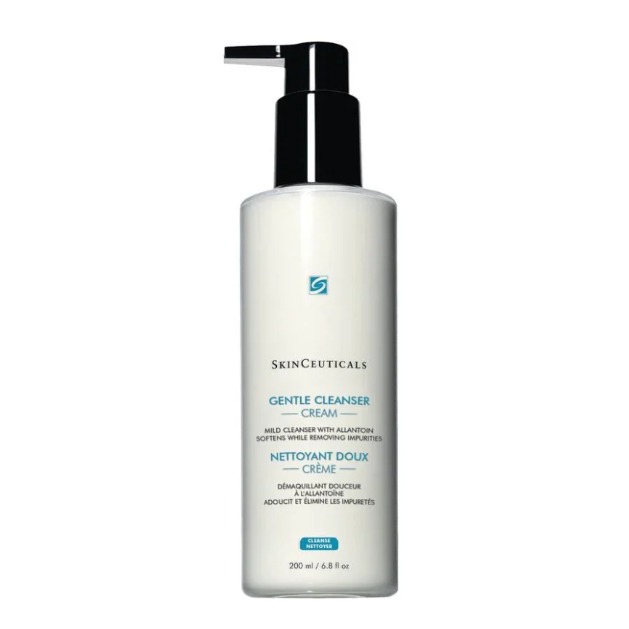
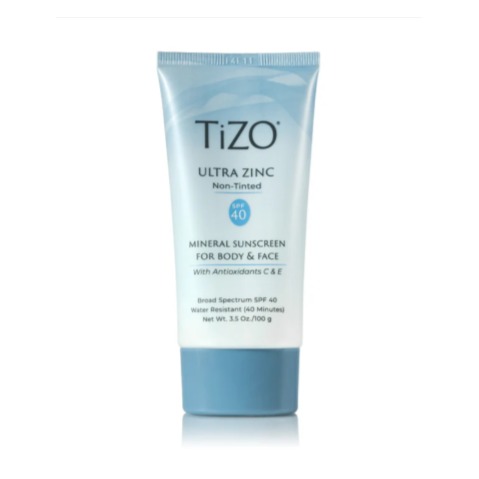
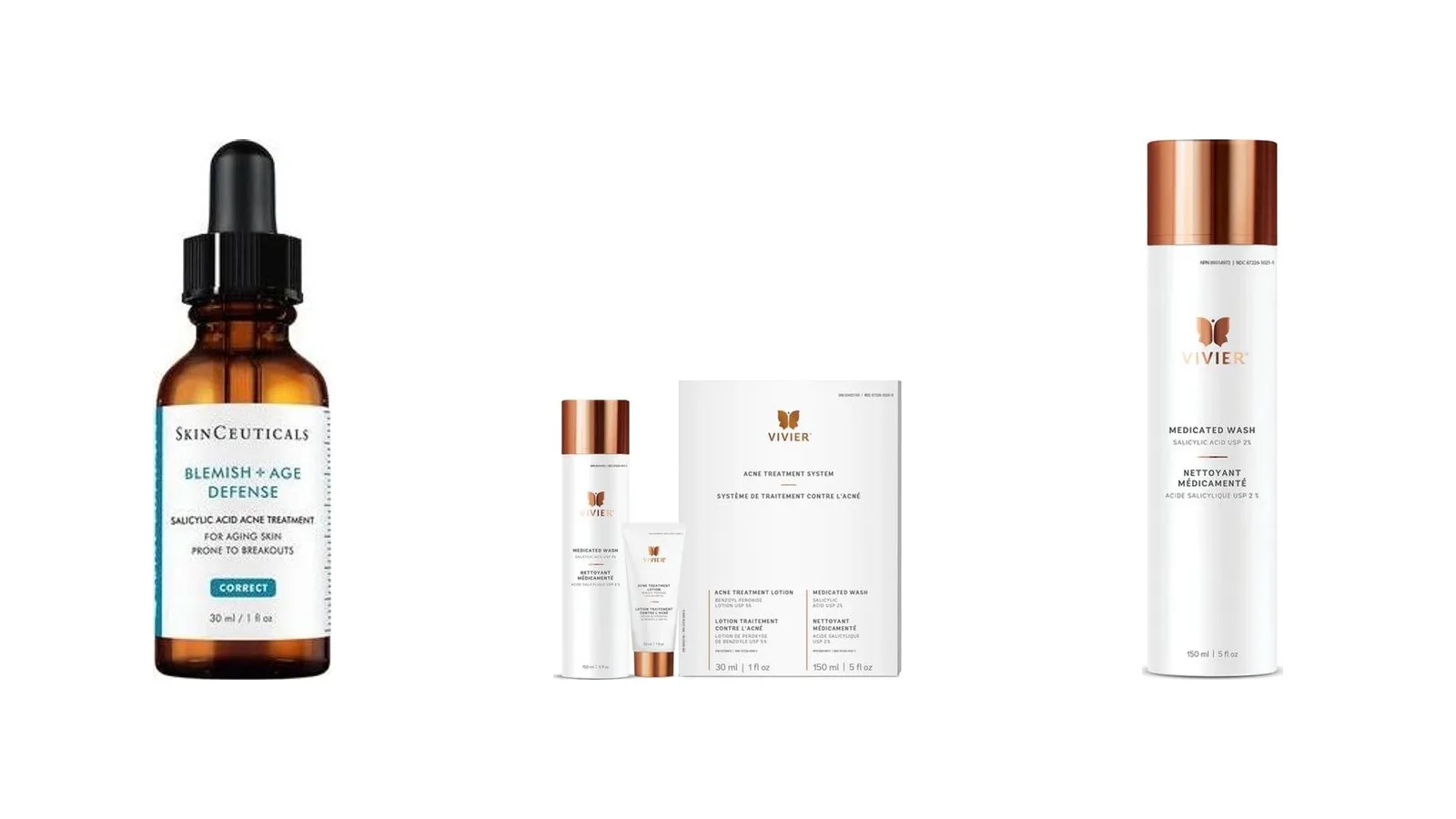
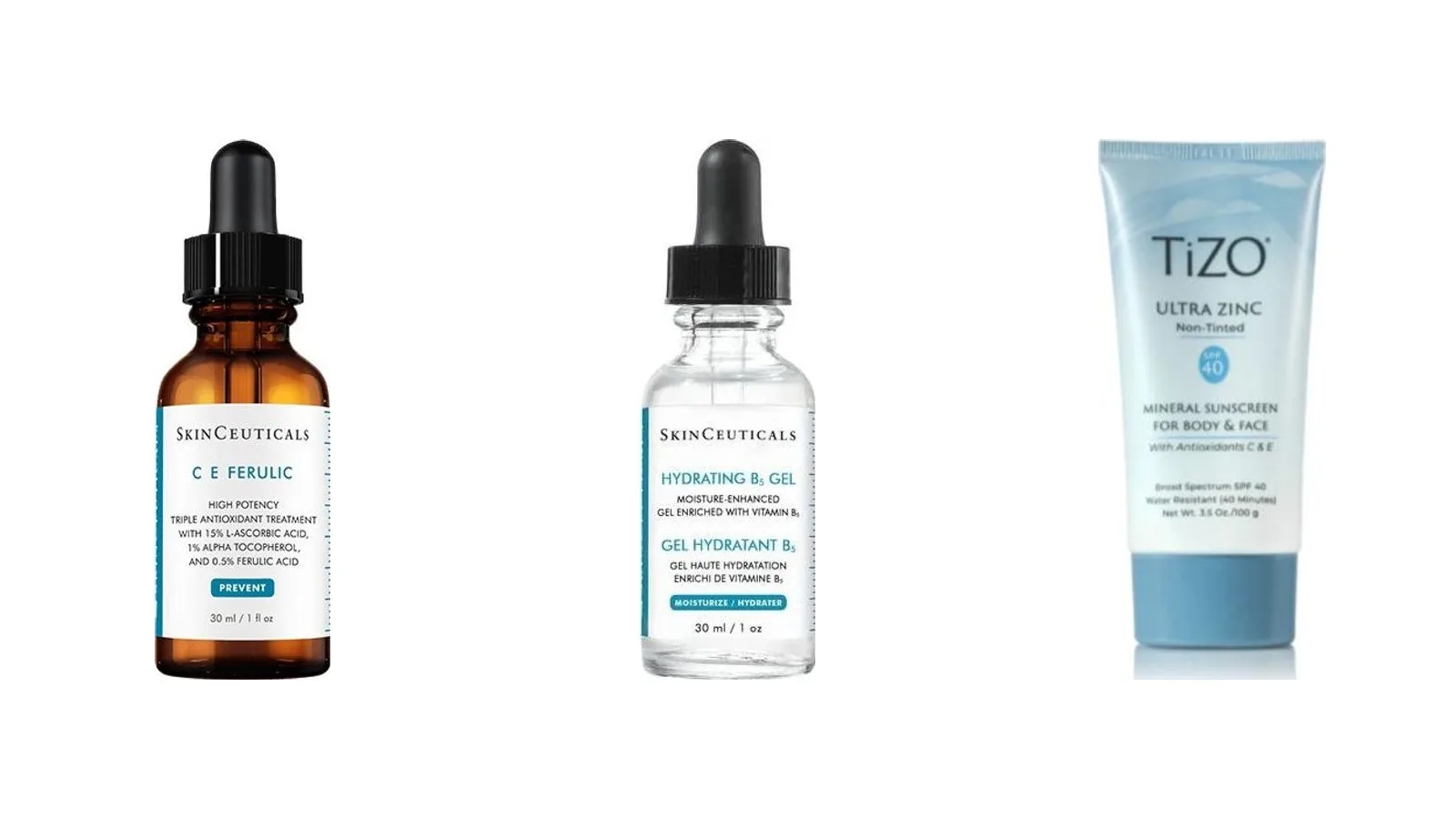
- Come with clean skin if you can, and bring a photo of what your products look like or a list of the actives you use.
- Note when your concern is worst: time of the month, season, after certain foods or stress.
- Bring any recent bloodwork. It saves a repeat draw and often explains more than the skin does.
Questions we hear
- Do I need a consultation before my first treatment at Ageless Living?
- Yes. A consultation is required before a first aesthetic treatment. It is a full assessment with a practitioner, and it does not commit you to any treatment pathway.
- How long does a skin assessment take?
- Plan for about an hour. It covers your history, your current routine, an examination of barrier, inflammation and pigment, and a written recommendation with a realistic timeline.
- Can I have a treatment the same day as my consultation?
- Sometimes, depending on the treatment and how your skin presents. Resurfacing and injectables usually follow at a later visit so the plan, any prescriptions and your pre-care can be in place first.
Information in this article is educational and not a substitute for medical advice. Individual response varies; what is right for you is confirmed in consultation.