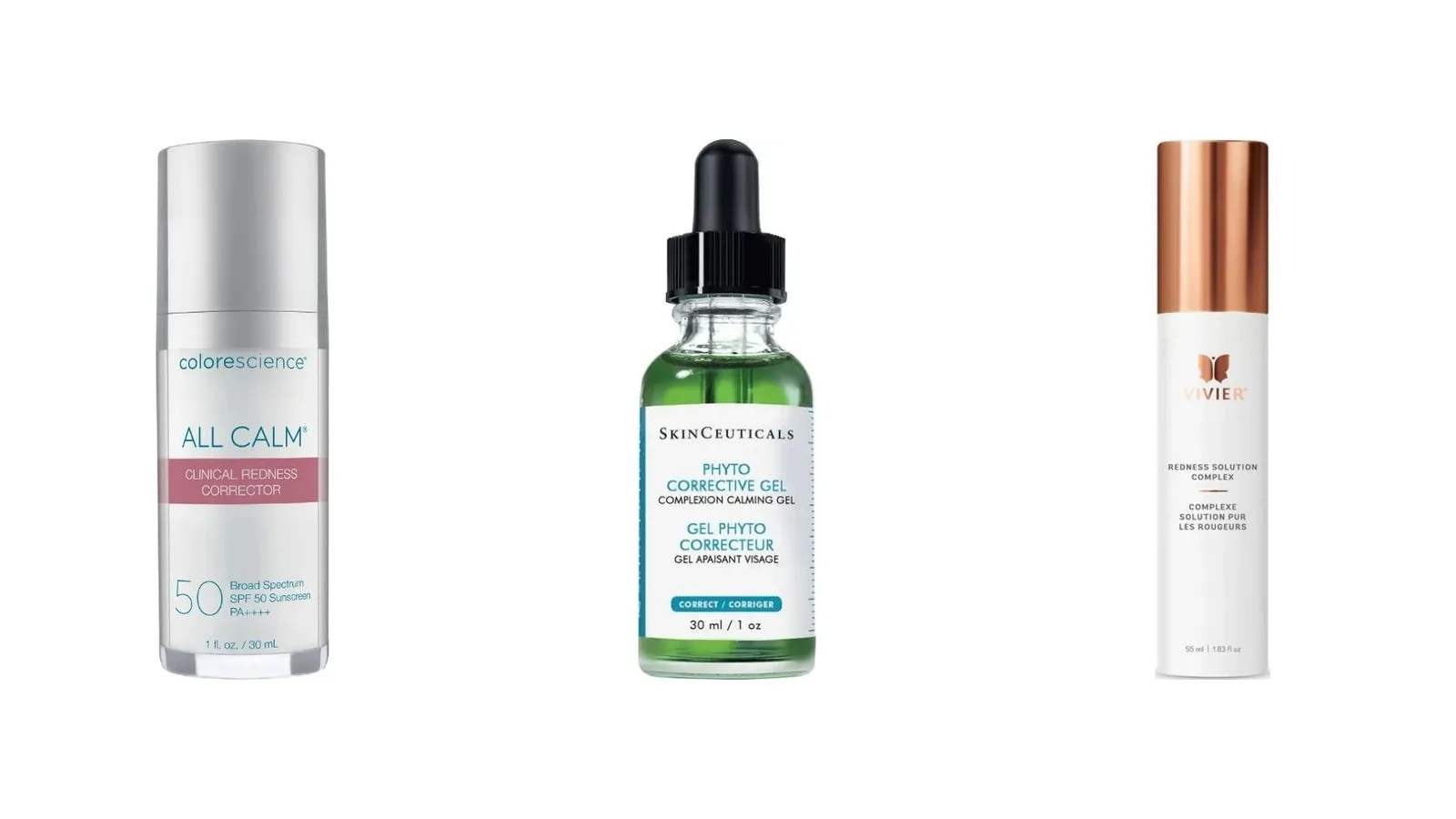
Hydration and Barrier Repair for BC Winters
Indoor heating, coastal wind and Okanagan cold strip skin of water and lipids in different ways. How to tell dehydration from dryness, and the cleanser, serum and cream routine that repairs both.
By Ageless Living Aesthetics TeamMedical aestheticians and nurse injectors
British Columbia is hard on skin in three different ways. Vancouver Island and the Lower Mainland bring damp wind that strips the surface; the Okanagan brings dry cold that pulls water straight out of it; and everywhere brings forced-air heating that turns the bedroom into a desert for eight hours a night. By January, most of the skin we see is both dehydrated and dry, and it helps to know those are two different problems.
Dehydrated or dry?
- Dehydrated: skin lacks water. It feels tight after cleansing, looks dull, shows fine crinkles when pinched, and can still be oily. Needs humectants.
- Dry: skin lacks lipids. It flakes, looks rough, and stings with products it used to tolerate. Needs ceramides, cholesterol and fatty acids.
- Both: the winter default. Water goes in first, lipids seal it in.
The winter routine
- Cleanse with a cream or milk, lukewarm water, no cloth. Foaming cleansers can wait for summer unless yours is designed for compromised skin.
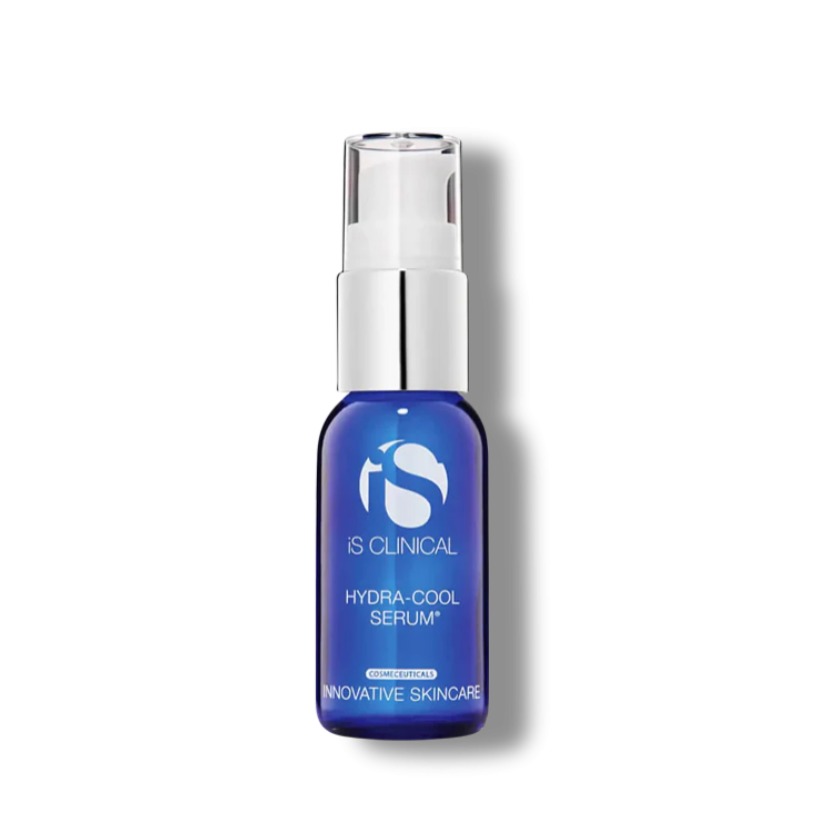
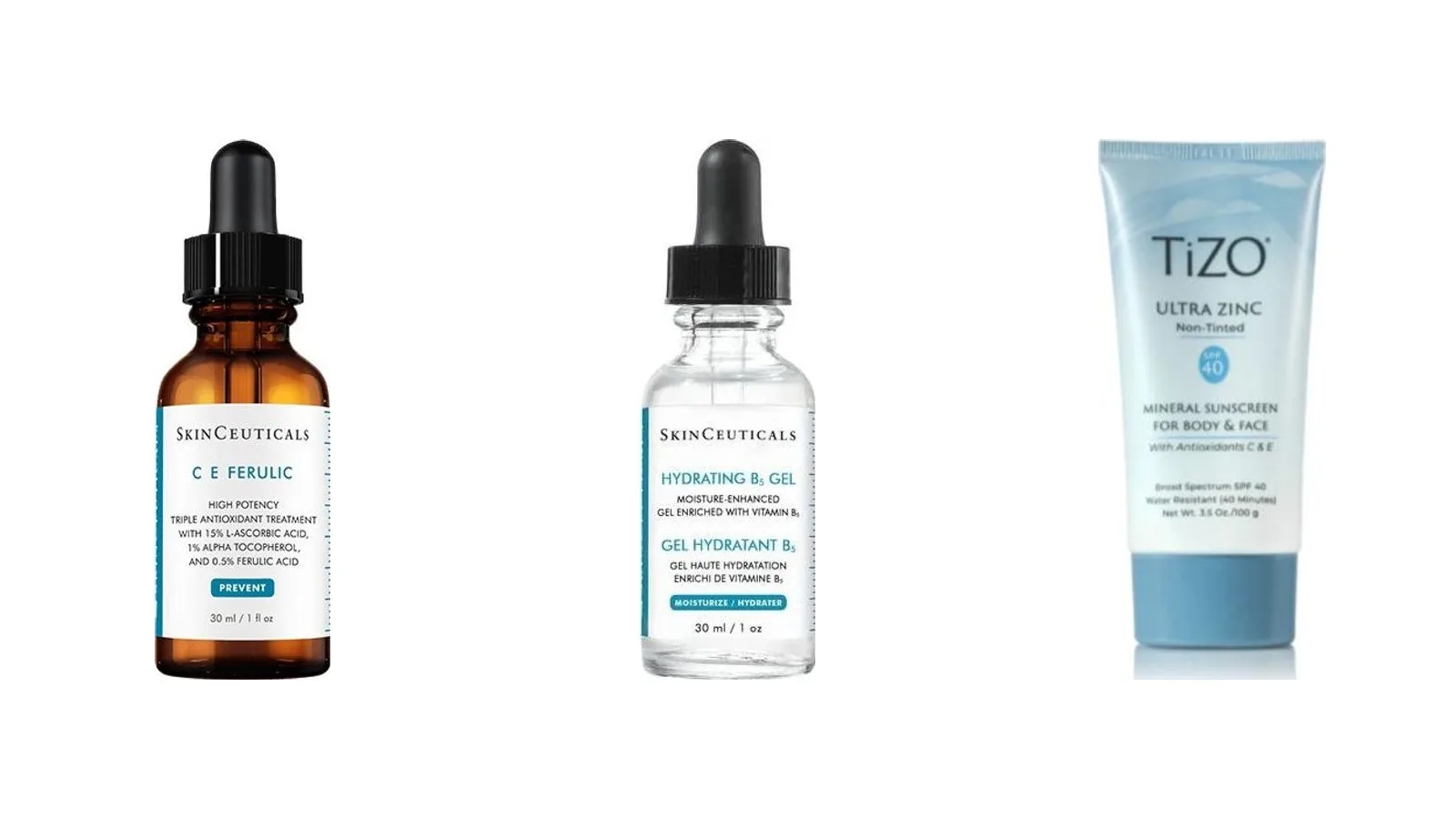
- Hydrate on damp skin: a cooling hyaluronic acid serum or a B5 gel, which draw water into the upper layers.
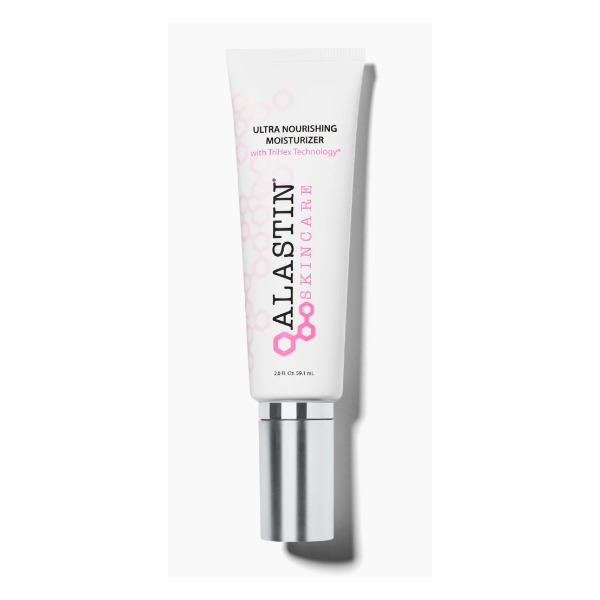
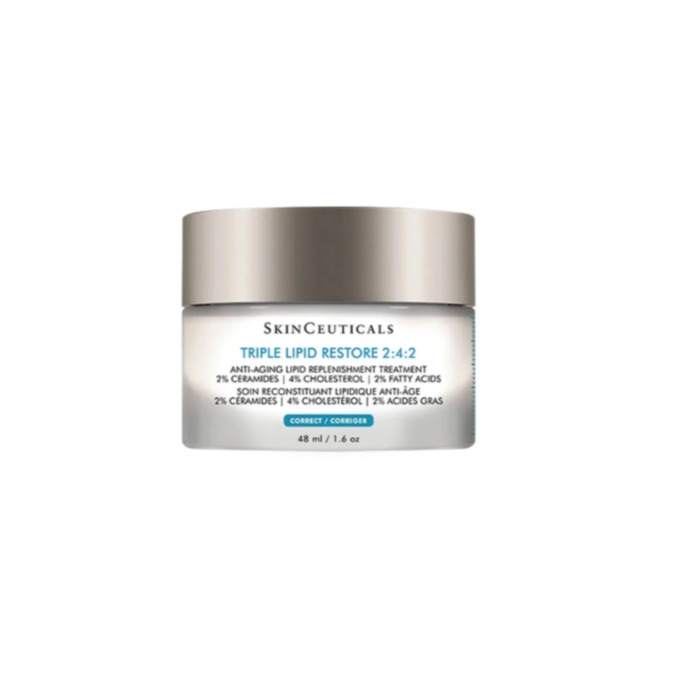
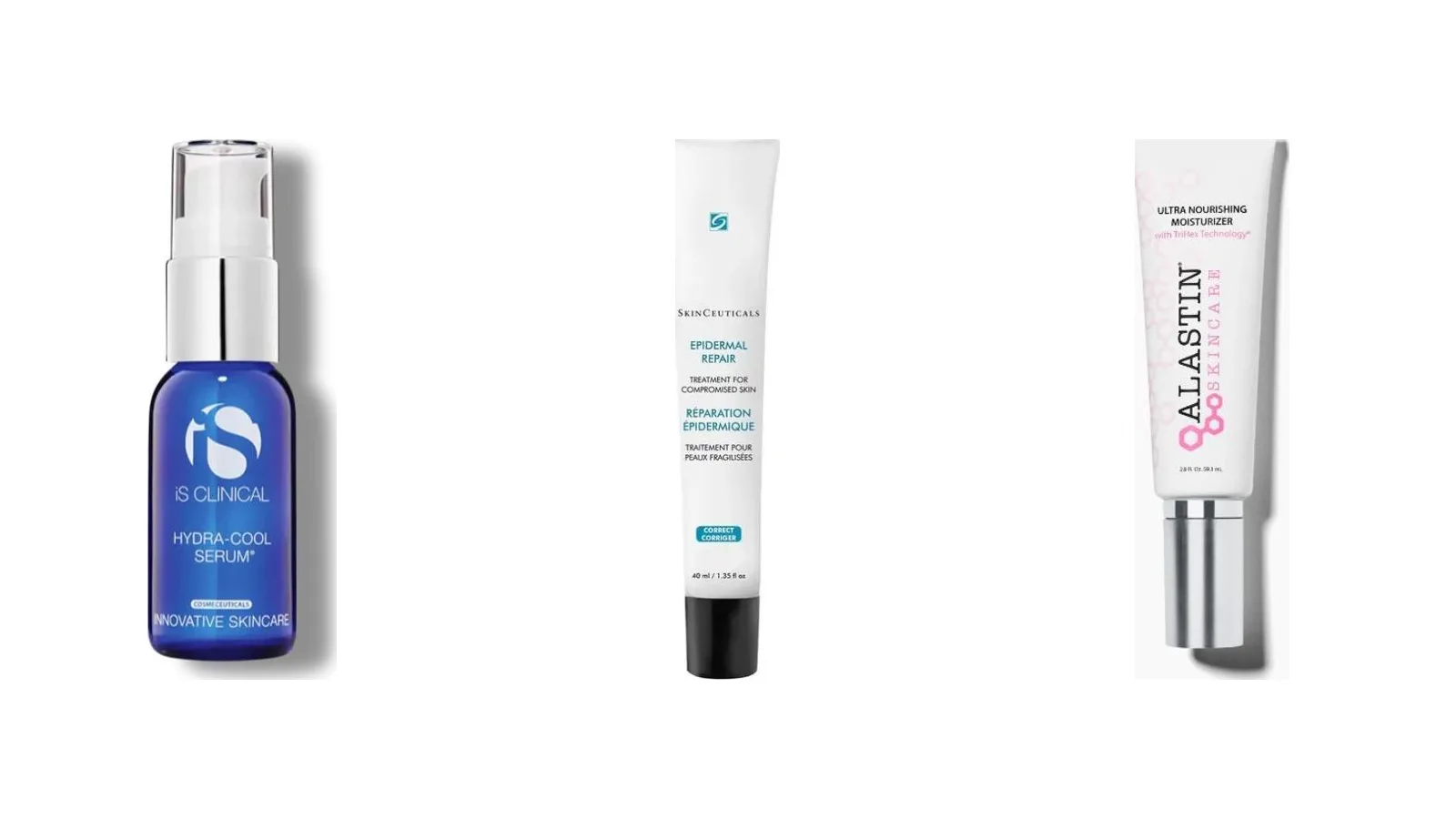
- Seal with a lipid-rich cream. A 2:4:2 ceramide, cholesterol and fatty acid formula rebuilds the barrier in the ratio skin makes it; a nourishing moisturiser with oat and linoleic acid suits skin that is also reactive.
- Pause exfoliating acids for a few weeks, and reduce retinol to alternate nights with moisturiser over it.
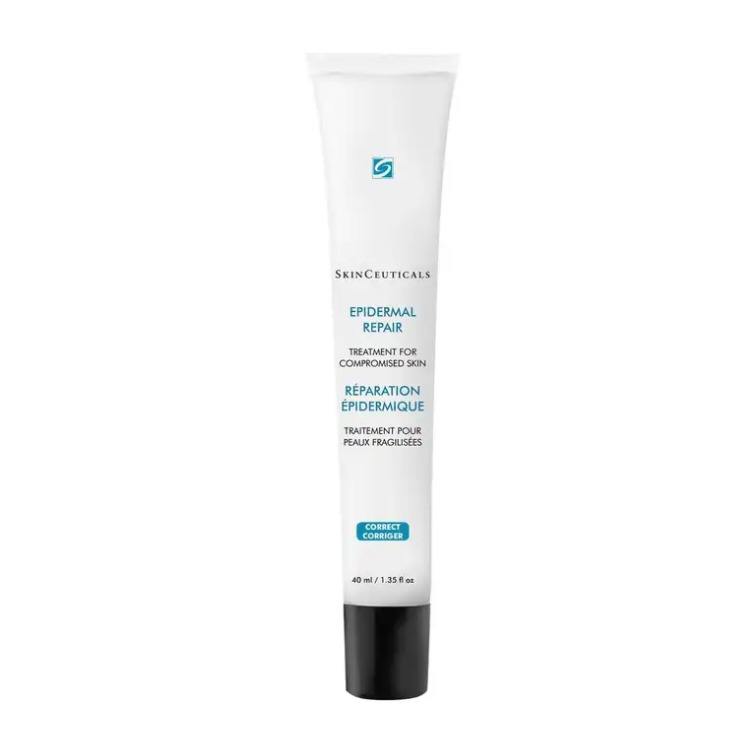
- Keep a barrier repair treatment for flare-ups: the rapid-repair creams we use after peels work just as well after a ski weekend.
Body, hands and lips
The face gets the attention; hands and lips show the damage. A hexamidine-based gentle moisturiser handles cracking and roughness on hands, and a lip SPF with antioxidants protects lips that are exposed all day. Lips do not have oil glands, which is why they are always the first to go.
The environment
A humidifier in the bedroom, run overnight, is the single most effective winter skincare change most people can make, because it addresses the eight hours a night the skin spends losing water to heated air. Shorter, cooler showers help too. None of it is glamorous; all of it shows on the face by February.
Questions we hear
- Why does my skin feel tight in winter even though it is oily?
- It is dehydrated rather than dry: it lacks water, not oil. A humectant serum on damp skin, sealed with a light moisturiser, fixes the tightness without adding heaviness.
- Should I stop retinol in winter?
- Usually not entirely. Reduce to alternate nights, apply moisturiser over it, and pause for a week if skin becomes flaky or stings. A barrier that stays intact tolerates retinol all year.
- What is the best moisturiser for dry winter skin?
- One that replaces lipids: ceramides, cholesterol and fatty acids in the ratio skin makes them. Triple Lipid Restore is the one our practitioners reach for most.
Information in this article is educational and not a substitute for medical advice. Individual response varies; what is right for you is confirmed in consultation.