Rosacea and Reactive Skin: Calming a Face That Has Been Over-Treated
Persistent flushing, visible vessels and skin that stings at everything usually arrives having been over-treated. The barrier-first plan we use, the products that calm, and when light helps.
By Ageless Living Aesthetics TeamMedical aestheticians and nurse injectors
The reactive faces that come to us have almost always been treated harder, not gentler, on the way here. A stronger acid for the texture, a scrub for the bumps, a retinol because someone said so. Each one made the skin flush more, and the flush was read as a reason to try something stronger. Rosacea is an inflammatory condition with a weak barrier underneath it, and it responds to being left alone in the right way.
Recognising it
- Flushing across the cheeks, nose and chin that lasts longer than it should after heat, exercise or a glass of wine.
- Fine visible vessels, especially around the nose.
- Bumps and pustules that look like acne but sit on a background of redness and do not respond to acne products.
- Stinging or burning with products most people tolerate.
The first eight weeks: barrier first
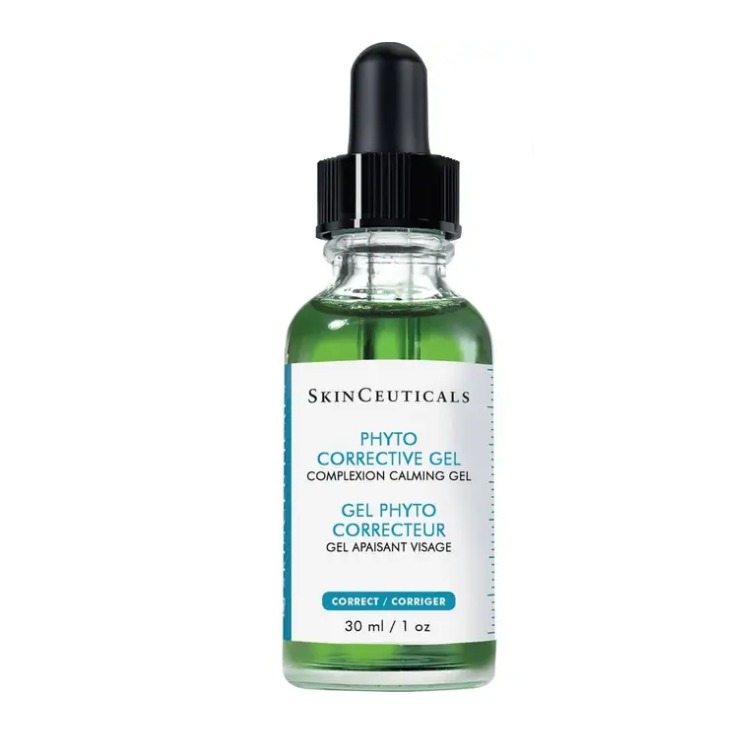
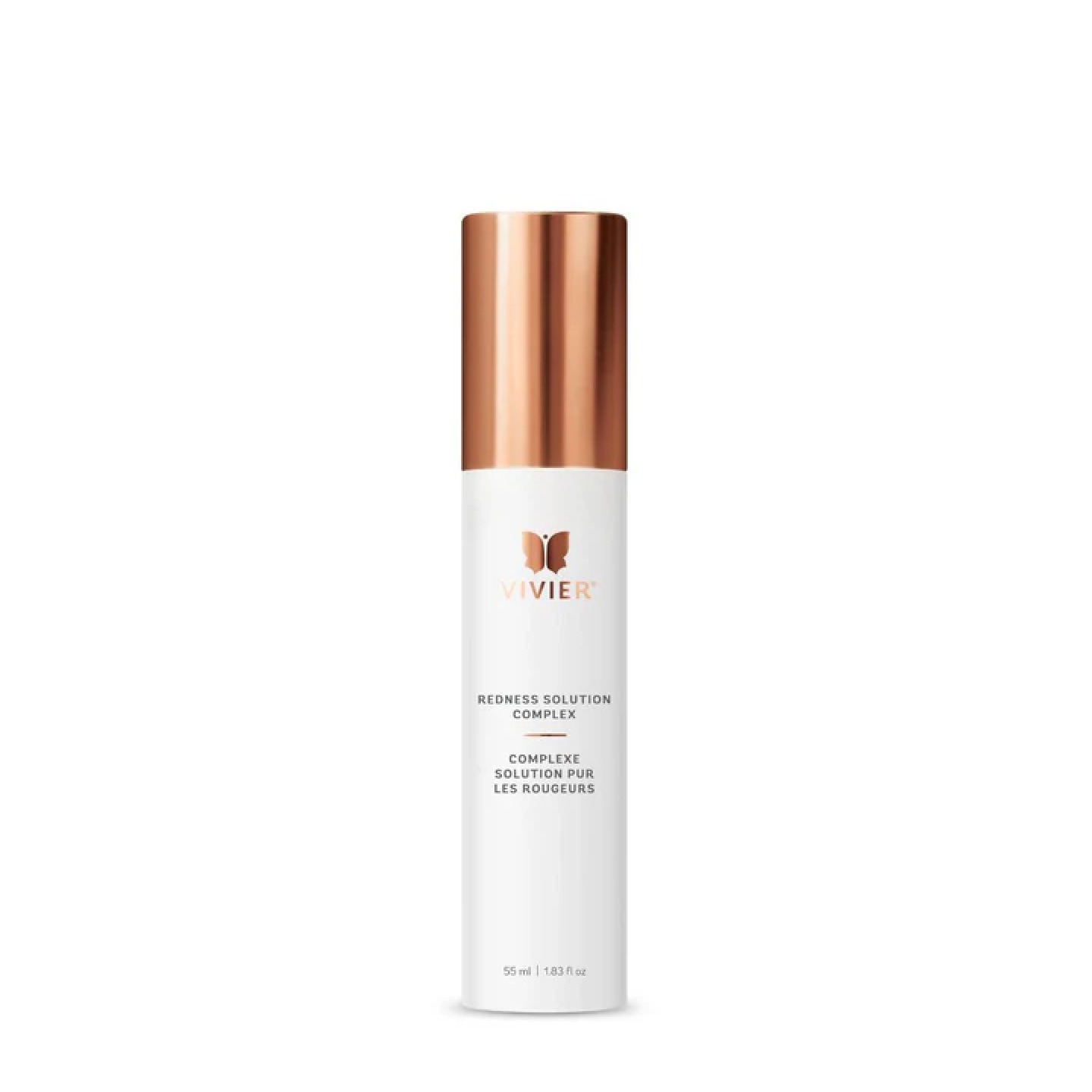
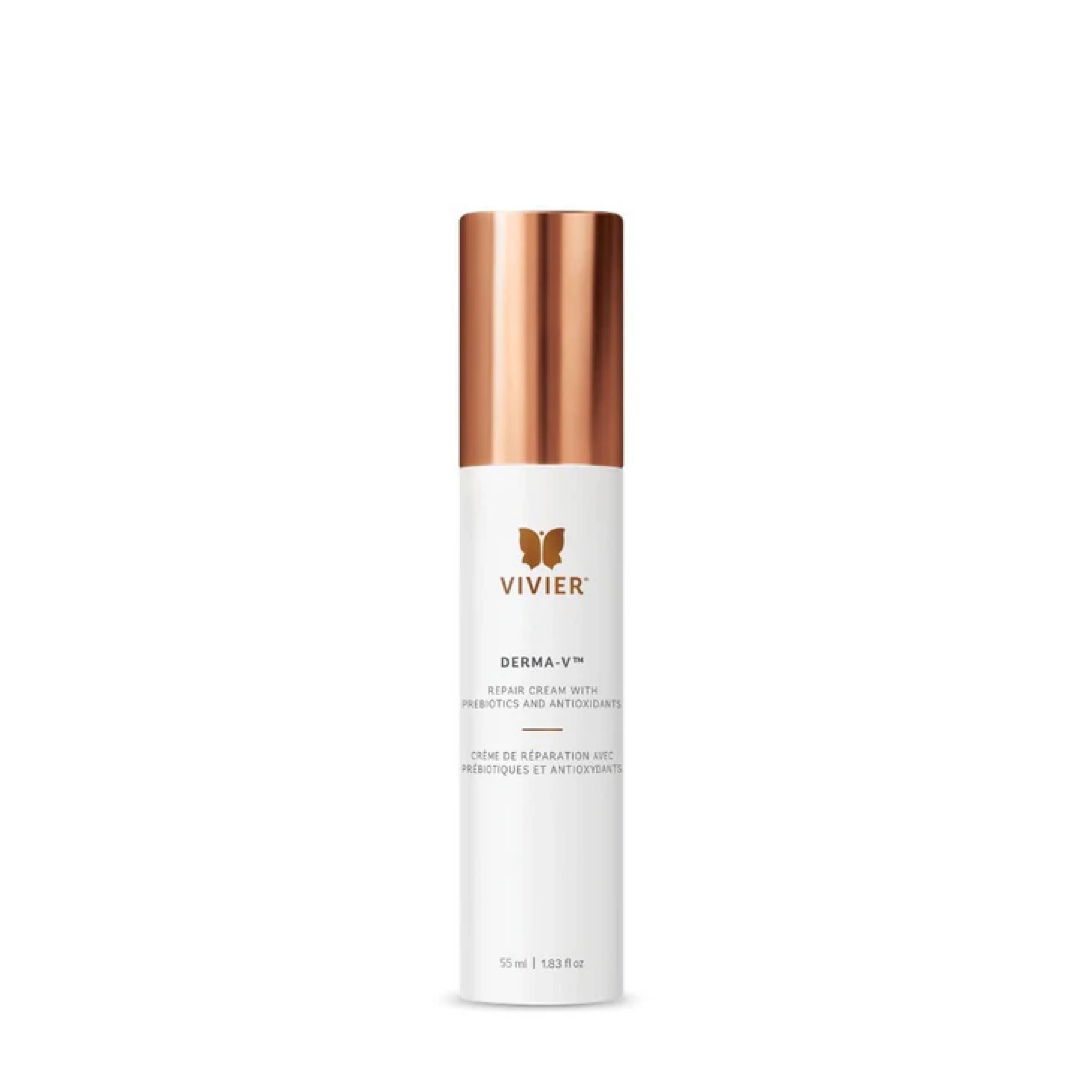
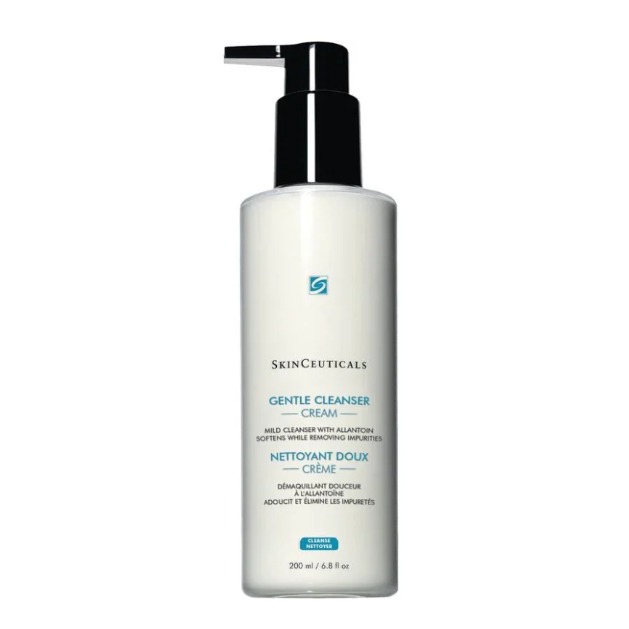
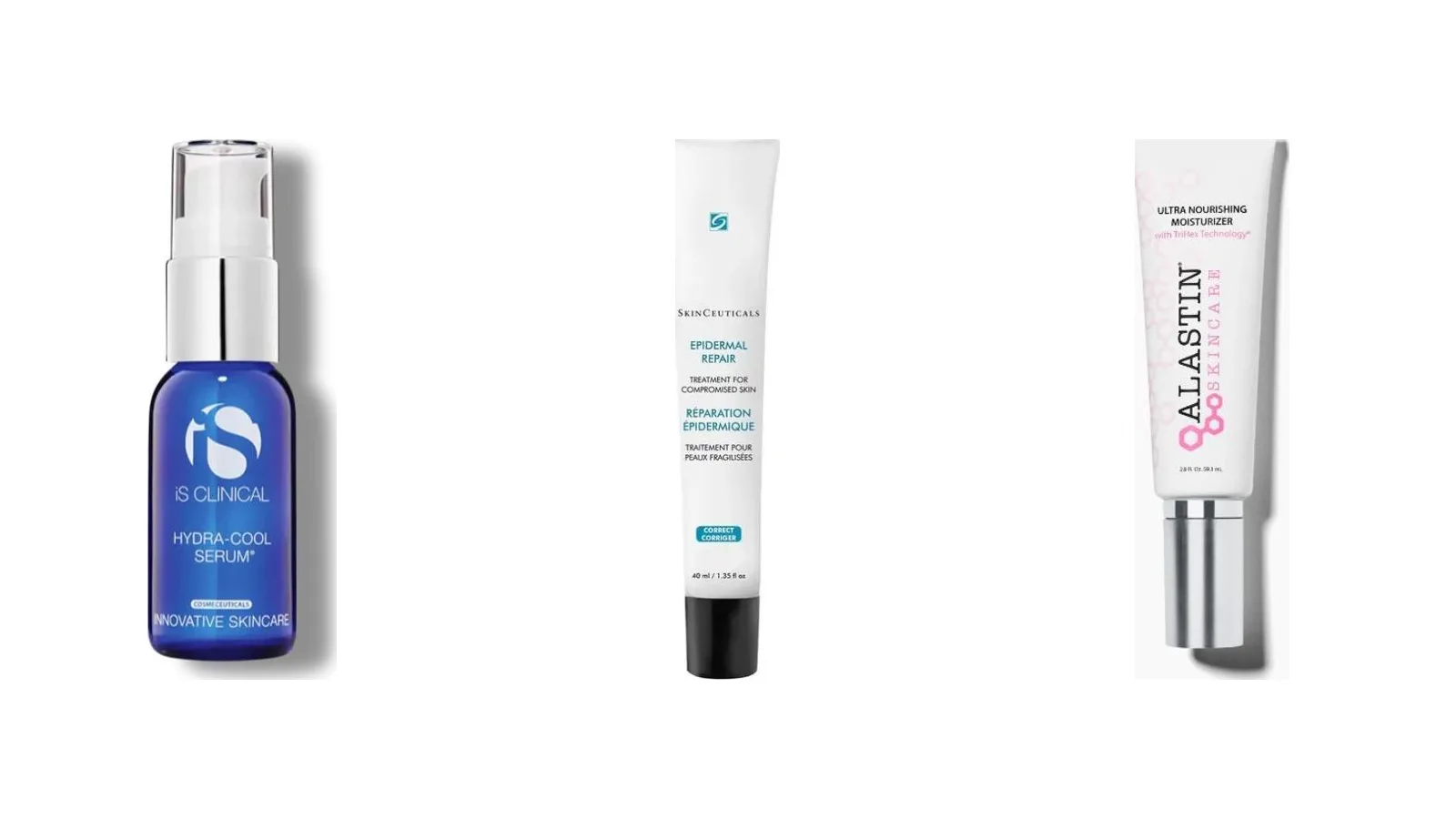
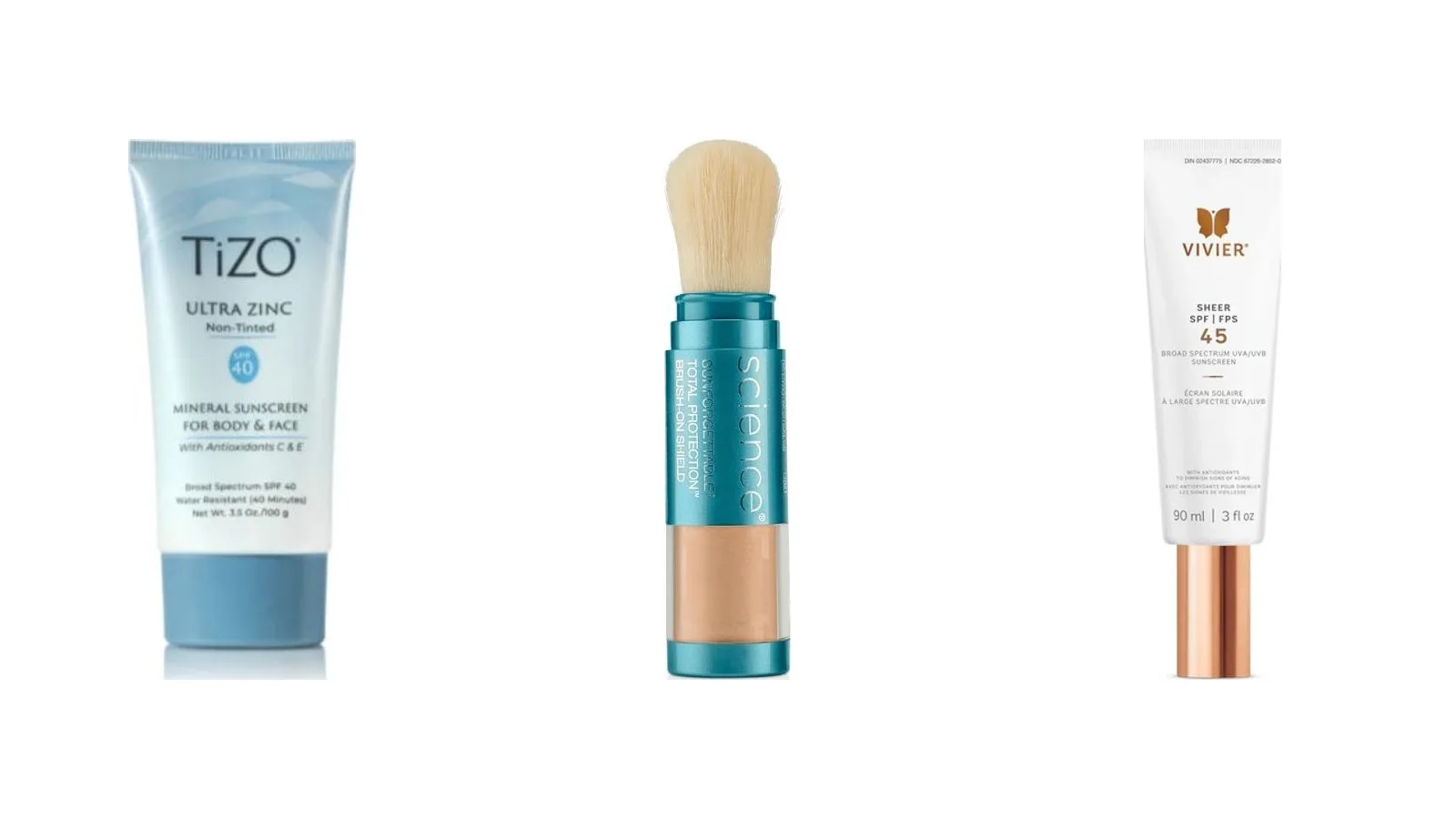
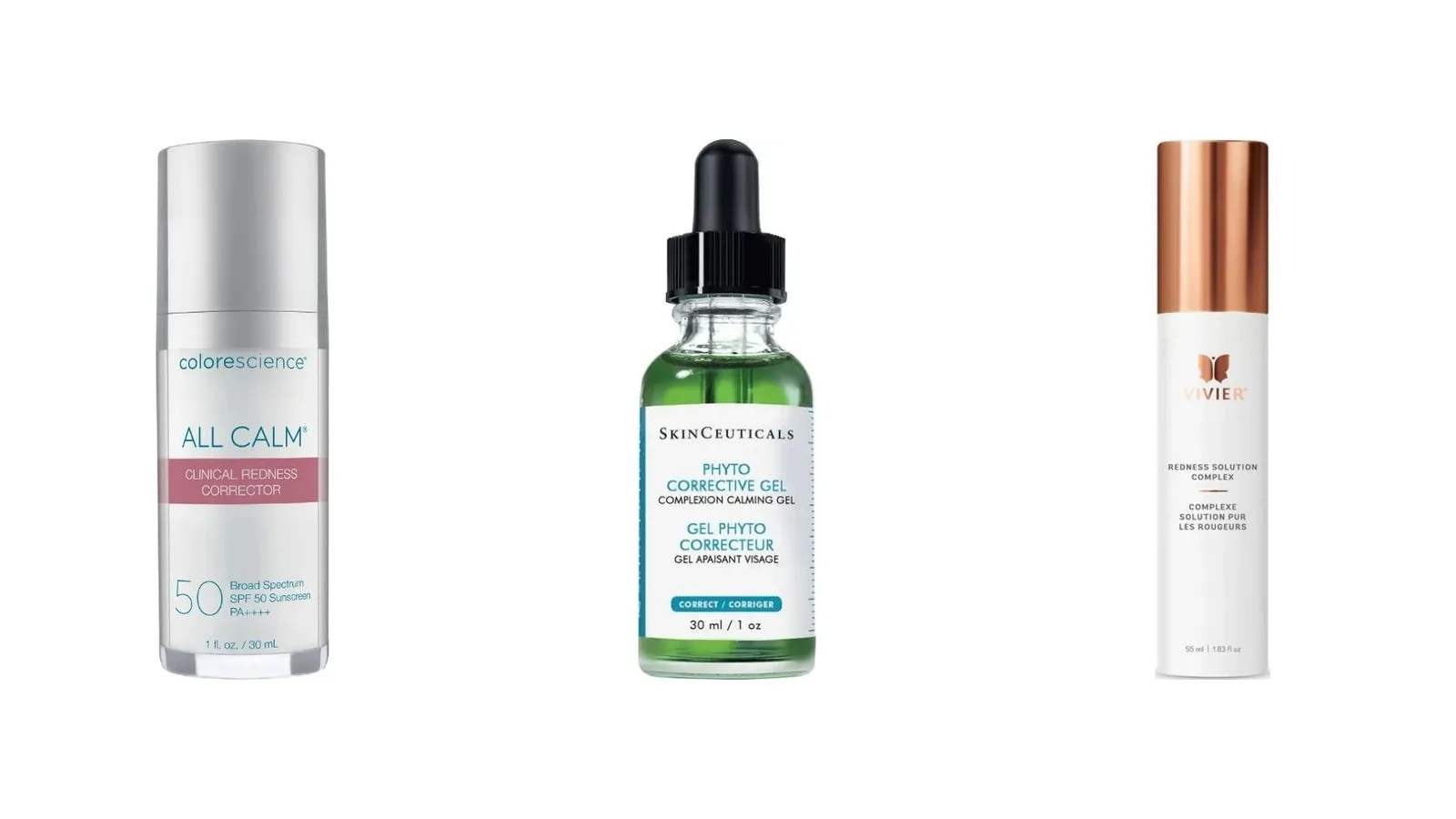
Everything active comes out. The routine becomes a creamy or foaming cleanser designed for compromised skin, a botanical soothing gel with cucumber and thyme to take heat out, a lightweight barrier cream with prebiotics and antioxidants to rebuild, and in the morning a mineral SPF 50 with a green-tinted redness corrector. That last product does two things at once: it neutralises the look of redness immediately and protects against the UV that drives it.
Lukewarm water, no washcloths, no scrubs, no fragrance. Patients are often surprised how much calmer skin becomes when it is simply not being provoked.
Finding your triggers
Keep a two-week note of flushes and what preceded them. The usual suspects are heat in any form including saunas and hot showers, alcohol, spicy food, wind and cold, intense exercise and emotional stress. You will not avoid all of them, but knowing which ones matter most to you turns a random condition into a manageable one.
Once calm: treating what remains
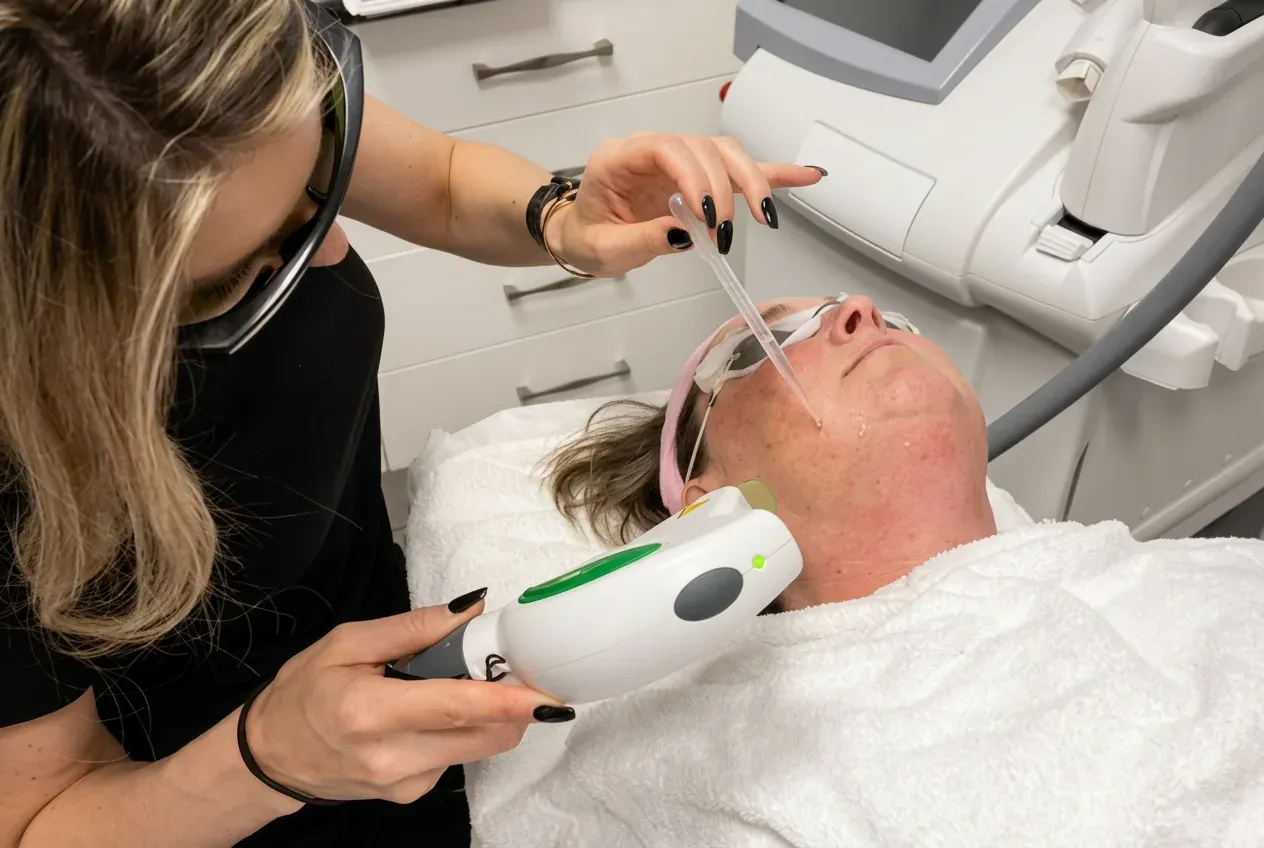
When the barrier is repaired and the flush has settled, IPL or BBL photorejuvenation is the treatment of choice for visible vessels and persistent diffuse redness. Red light therapy helps calm inflammation between sessions. Gentle actives such as azelaic acid or a low-strength encapsulated retinol can then be reintroduced, one at a time, alternate nights, with the barrier products staying in place.
Because rosacea can have internal contributors, a physician review of gut health, hormones and medications is part of the assessment when the pattern suggests it.
Questions we hear
- Can rosacea be cured?
- It is managed rather than cured. With a barrier-first routine, trigger awareness and, where needed, light treatment for vessels, most patients get to a point where flares are rare and mild.
- What sunscreen is best for rosacea?
- A mineral zinc-based SPF, ideally with a green tint that neutralises redness. Chemical filters can sting reactive skin; mineral filters sit on the surface and are far better tolerated.
- Is IPL good for rosacea?
- Yes, for the visible vessels and diffuse redness once the skin has been calmed. It is chosen by skin type and done in a short series.
Information in this article is educational and not a substitute for medical advice. Individual response varies; what is right for you is confirmed in consultation.