IPL and BBL Photorejuvenation: What Light Can Fix, and What It Cannot
Intense pulsed light and broadband light target sun damage, diffuse redness and uneven tone. How it works, who it suits by skin type, and how to keep the result with antioxidants and SPF.
By Ageless Living Aesthetics TeamMedical aestheticians and nurse injectors
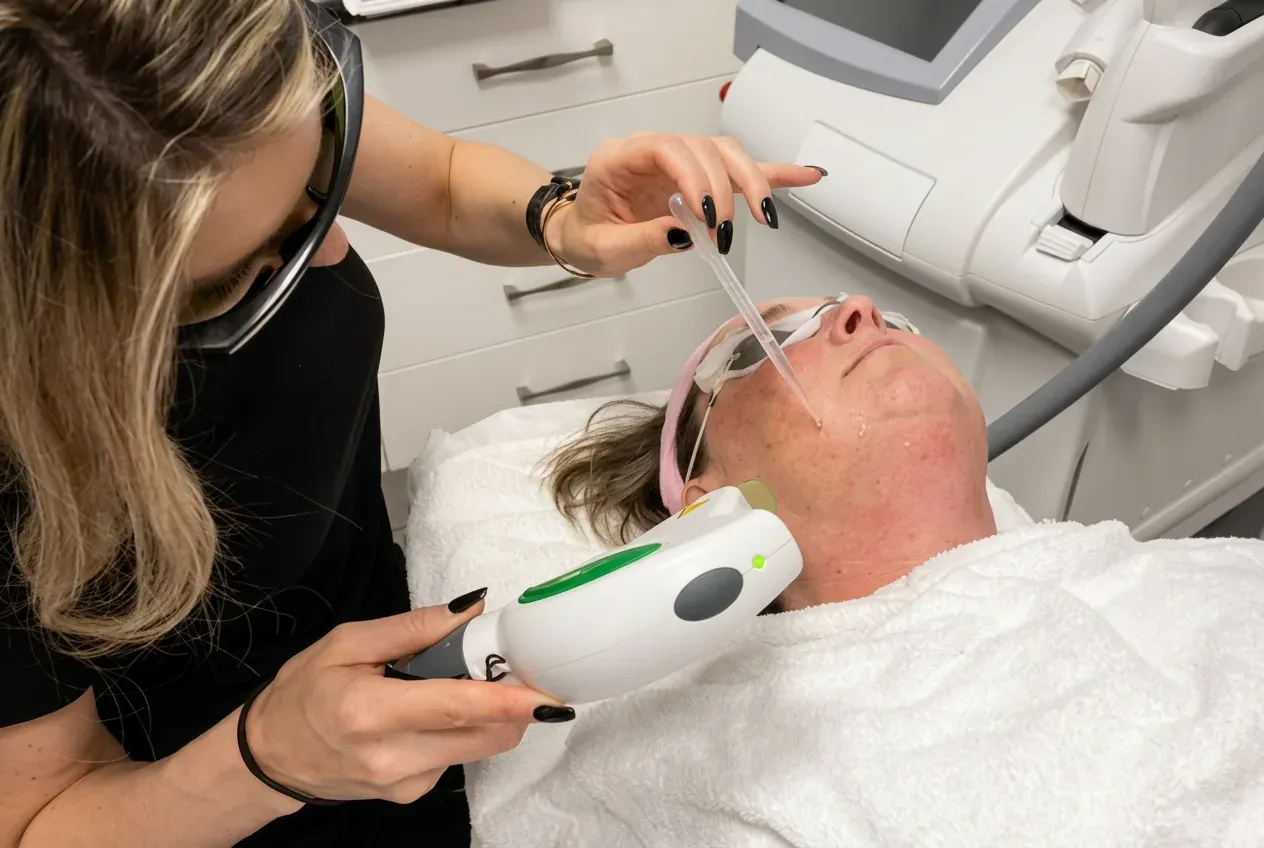
Photorejuvenation is the treatment people mean when they say a photofacial. A handpiece flashes pulses of filtered light across the skin. Two things absorb it: the melanin in a sun spot and the haemoglobin in a visible vessel. Each heats for a fraction of a second and is damaged, and the body clears it over the following weeks.
That makes IPL and BBL precise for two problems that topicals struggle with: the scatter of sun-driven freckling and pigment across cheeks, chest and hands, and the diffuse redness and broken capillaries of rosacea-prone skin.
Who it suits, and who it does not
The best candidates have lighter skin with a clear contrast between the spots or vessels and the skin around them. The light finds its target easily and spares the rest.
Darker skin tones carry more melanin everywhere, so the light has a harder time telling a spot from the skin. That is a safety question, not a preference, and it is why the modality and settings are chosen for your skin type at assessment. Melasma is another exception: it is heat-sensitive, and IPL can make it darker. For melasma we favour peels and a brightening routine instead.
The session
- Skin is cleansed and a cool gel applied; you wear protective eyewear throughout.
- Each pulse feels like a quick snap of an elastic band with warmth behind it. A full face takes about twenty to thirty minutes.
- Immediately after, skin is pink and spots look darker. That is the pigment lifting to the surface.
The two weeks after
Treated spots darken over the first day or two, look like coffee grounds on the skin by day three, and flake away by day seven to fourteen. Redness improves more gradually as vessels close. Do not scrub the flakes; let them go on their own.
Sun avoidance is not optional in this window. New pigment forms easily in skin that has just been treated, and one unprotected afternoon can undo a session.
Keeping the result
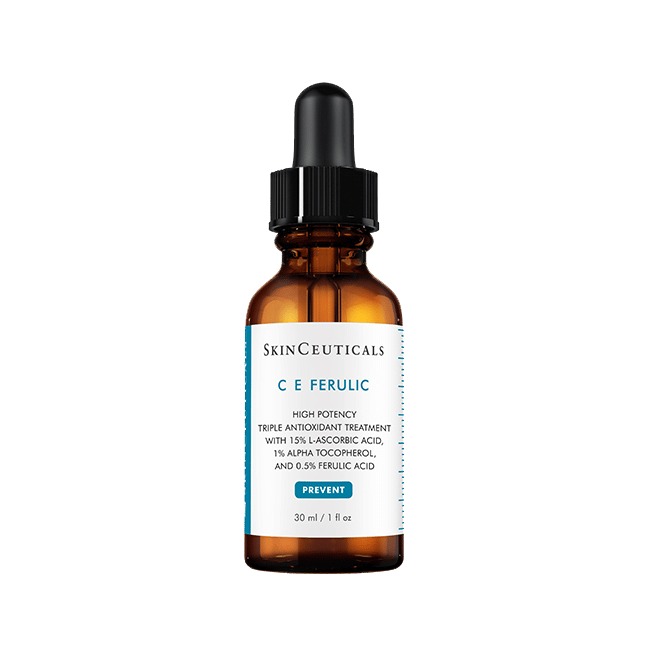
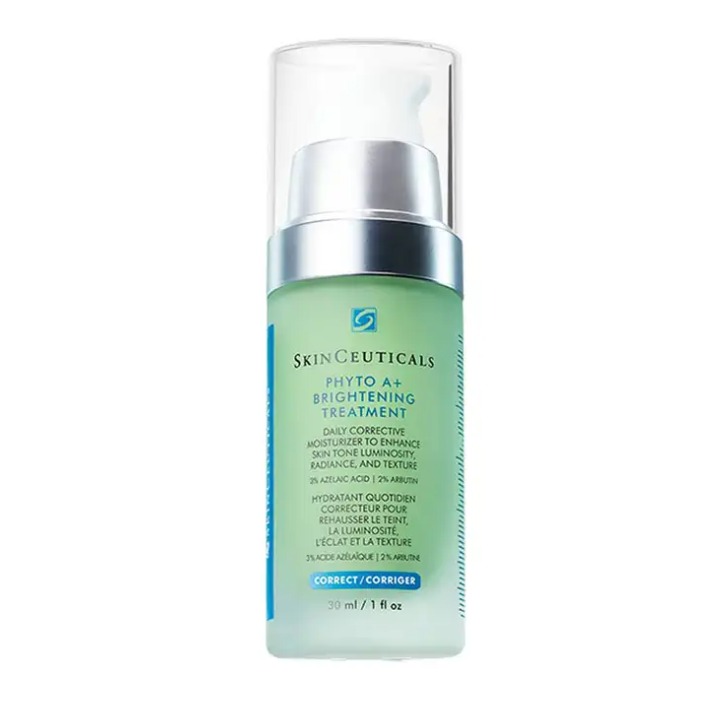
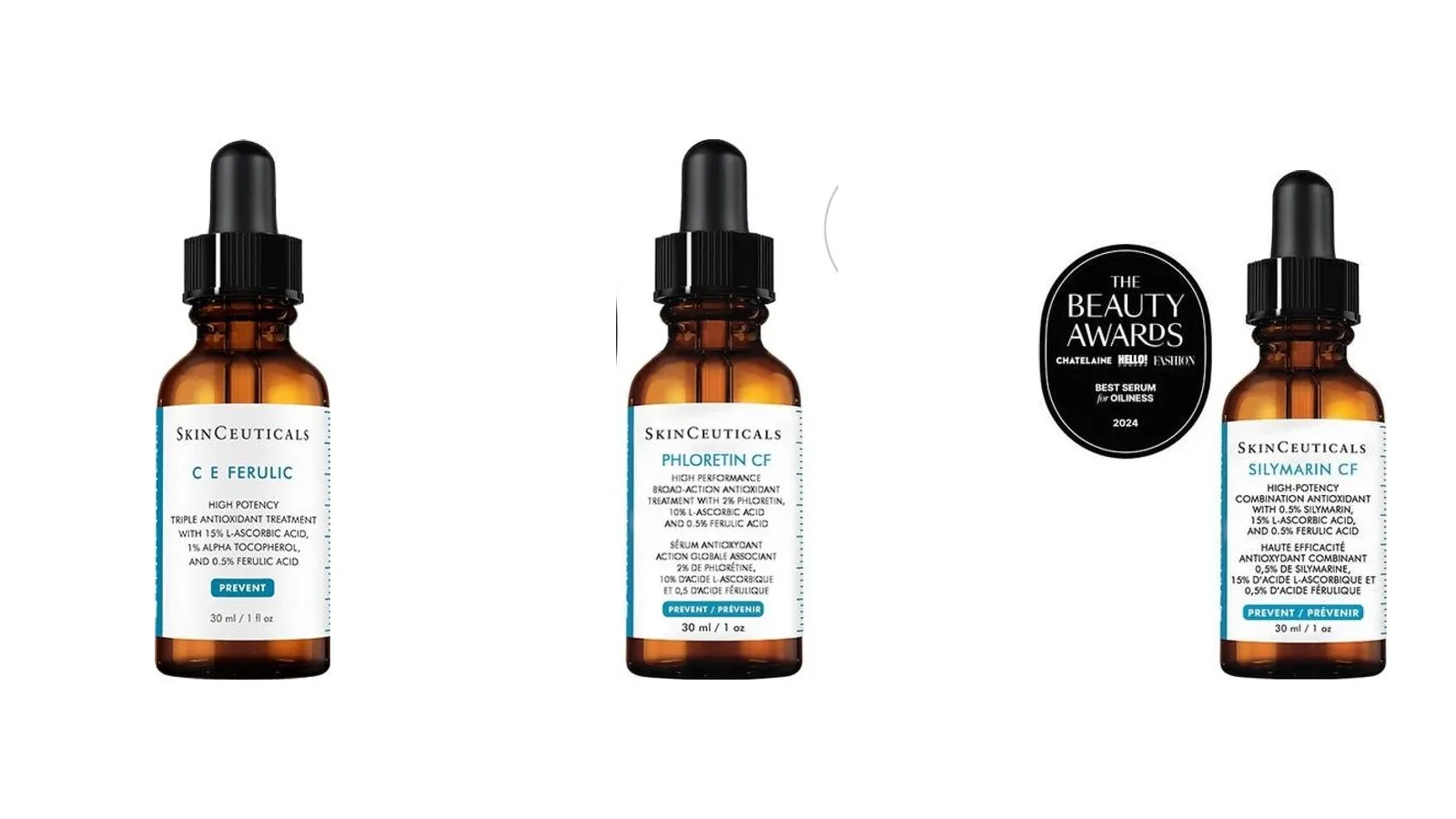
A photofacial clears existing damage; it does not stop the sun making more. The maintenance routine is the same one we use after every pigment treatment: a vitamin C, E and ferulic antioxidant serum in the morning to neutralise the UV damage sunscreen misses, a retinoid-free brightening treatment to keep tone even, and a tinted SPF 50 with iron oxides that blocks the visible light mineral filters alone let through.
That trio is the IPL and Pigment Maintenance package on our Continued Treatment page.
Questions we hear
- How many IPL sessions will I need?
- Most sun damage and redness responds to a series of three, spaced about four weeks apart, with one or two maintenance sessions a year.
- Is IPL safe for melasma?
- We generally avoid it. Melasma responds to heat by making more pigment, so we treat it with peels, prescription topicals and strict sun protection instead.
- What is the difference between IPL and BBL?
- Both are broad-spectrum pulsed light. BBL is a newer generation of the technology with finer control of wavelength and cooling. Which is used depends on the clinic and your skin type.
Information in this article is educational and not a substitute for medical advice. Individual response varies; what is right for you is confirmed in consultation.