Melasma and Pigmentation: A Cautious Plan That Actually Works
Sun damage, post-inflammatory marks and hormonally driven melasma need different plans. Why heat makes melasma worse, which brighteners we trust, and how peels and SPF fit together.
By Ageless Living Aesthetics TeamMedical aestheticians and nurse injectors
Pigment is the concern that most rewards patience and most punishes enthusiasm. Treat it hard with the wrong tool and it comes back darker. Treat it steadily with the right combination and it fades, provided the sun is kept off it. The first job is to work out which kind you have.
Three kinds of pigment
- Sun damage: discrete freckles and spots on cheeks, temples, chest and hands, from cumulative UV. Responds well to IPL on lighter skin and to brighteners.
- Post-inflammatory marks: flat red or brown marks left after acne, a picked spot or an irritation. They fade with time, faster with brighteners and gentle peels.
- Melasma: symmetrical, blurred patches across the cheeks, upper lip and forehead, driven by hormones, heat and light. Common in pregnancy, on hormonal contraception and through perimenopause.
Why melasma is treated differently
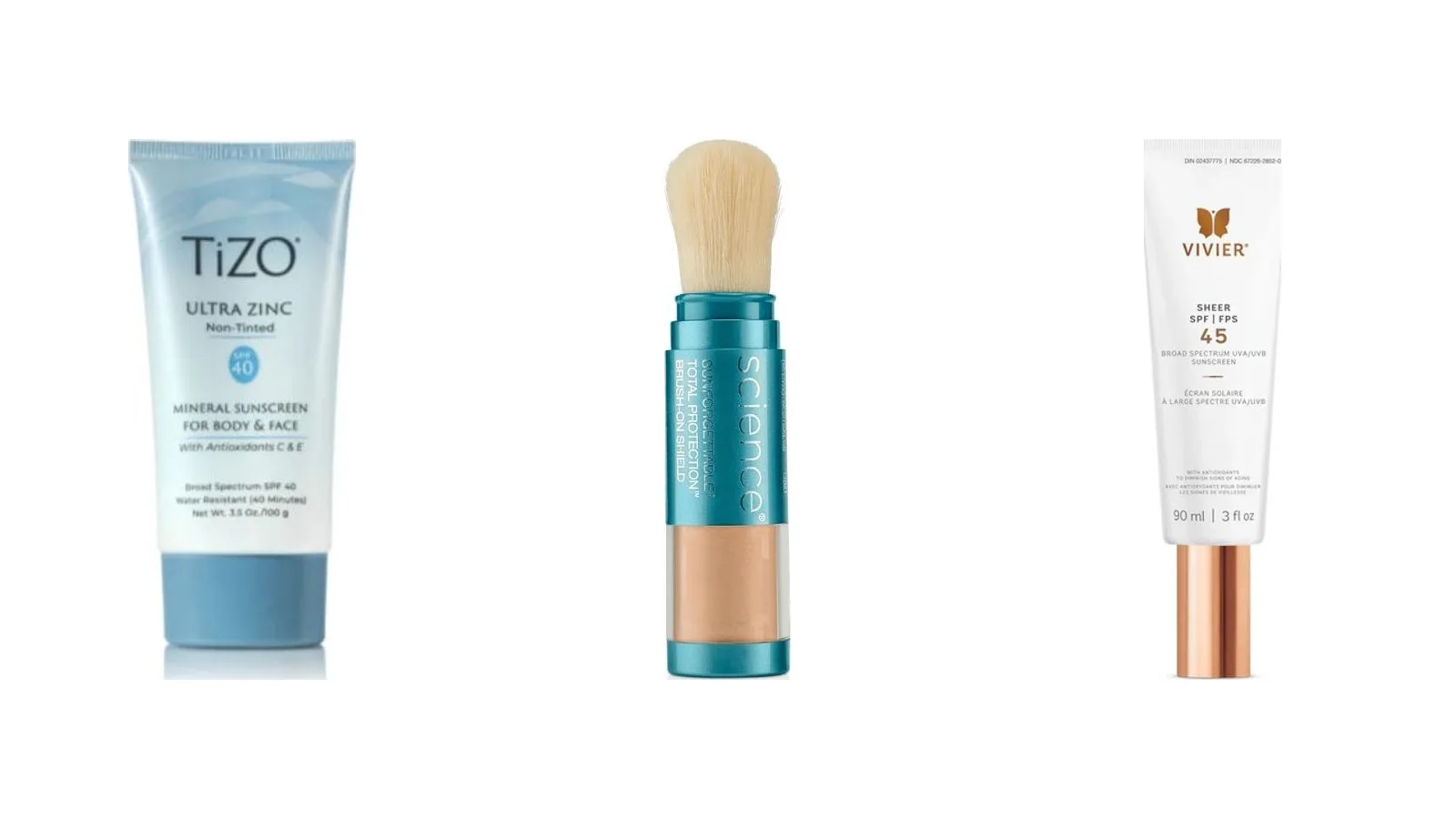
Melasma pigment cells are over-responsive. Heat from lasers and IPL, and even the warmth of a hot yoga class, can stimulate them. So can visible light, which is why a standard clear sunscreen is not enough. This is why our practitioners approach melasma cautiously: chemical peels rather than light, brighteners that calm the pigment cells rather than blast them, and physical protection that blocks visible light.
The brightening routine
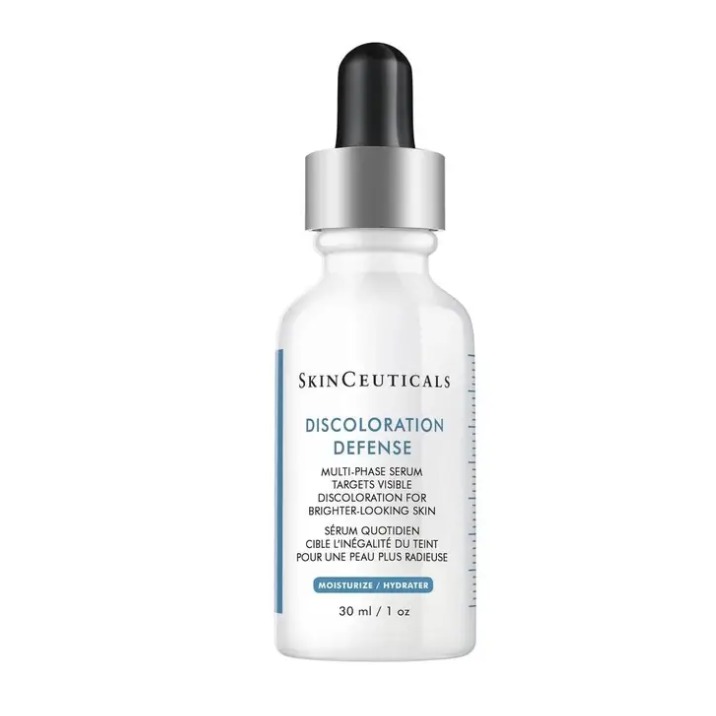
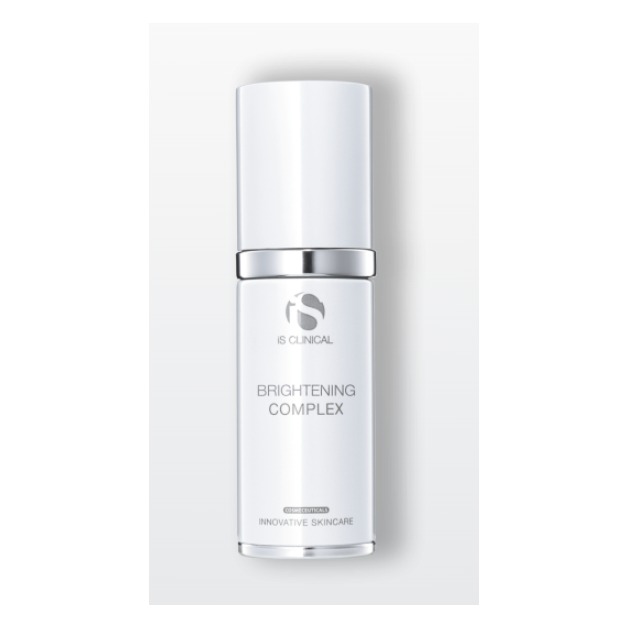
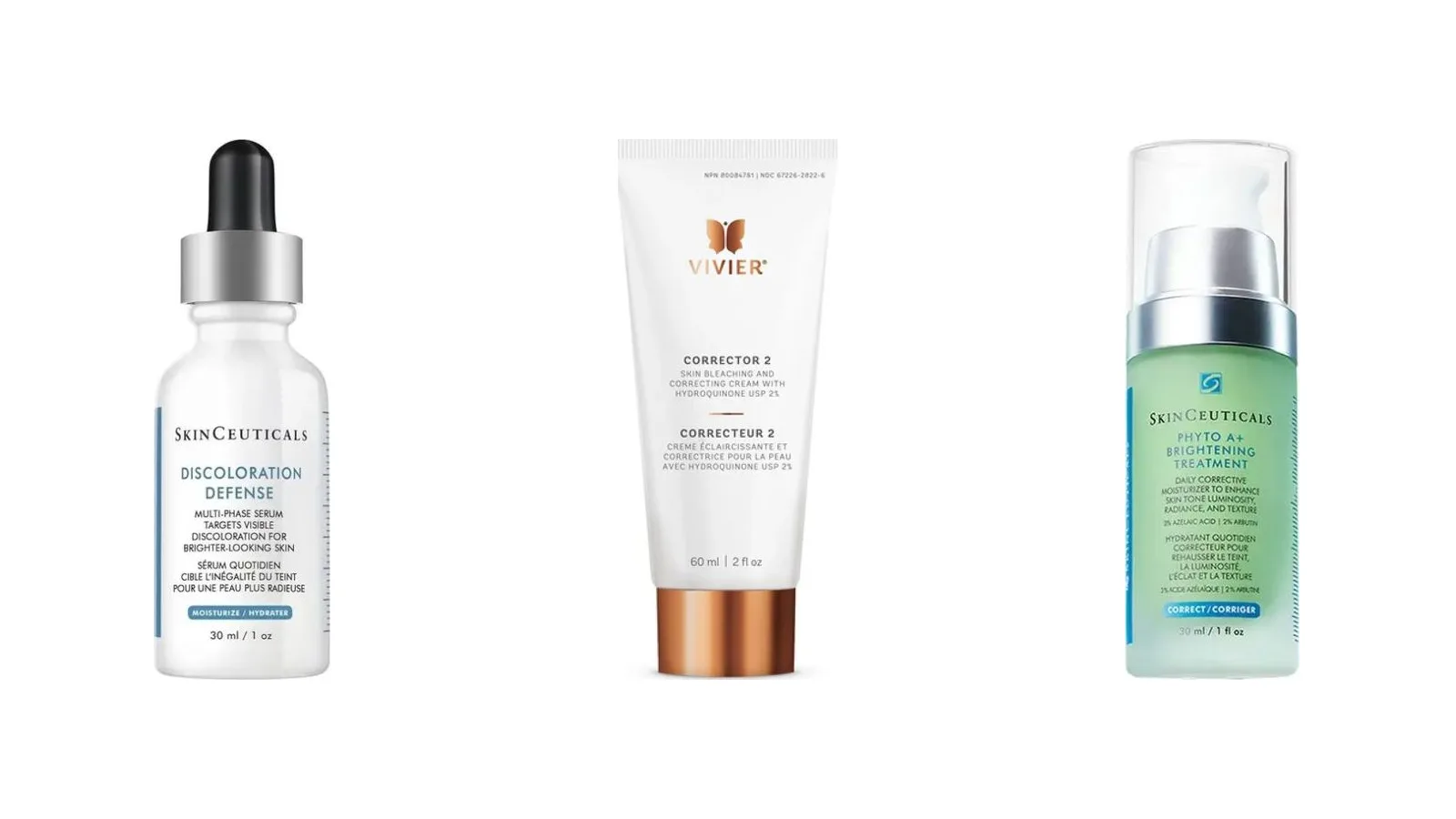
- Morning: a vitamin C antioxidant serum, then a hydroquinone-free serum combining tranexamic acid, kojic acid and niacinamide, then a tinted mineral SPF 50 with iron oxides.
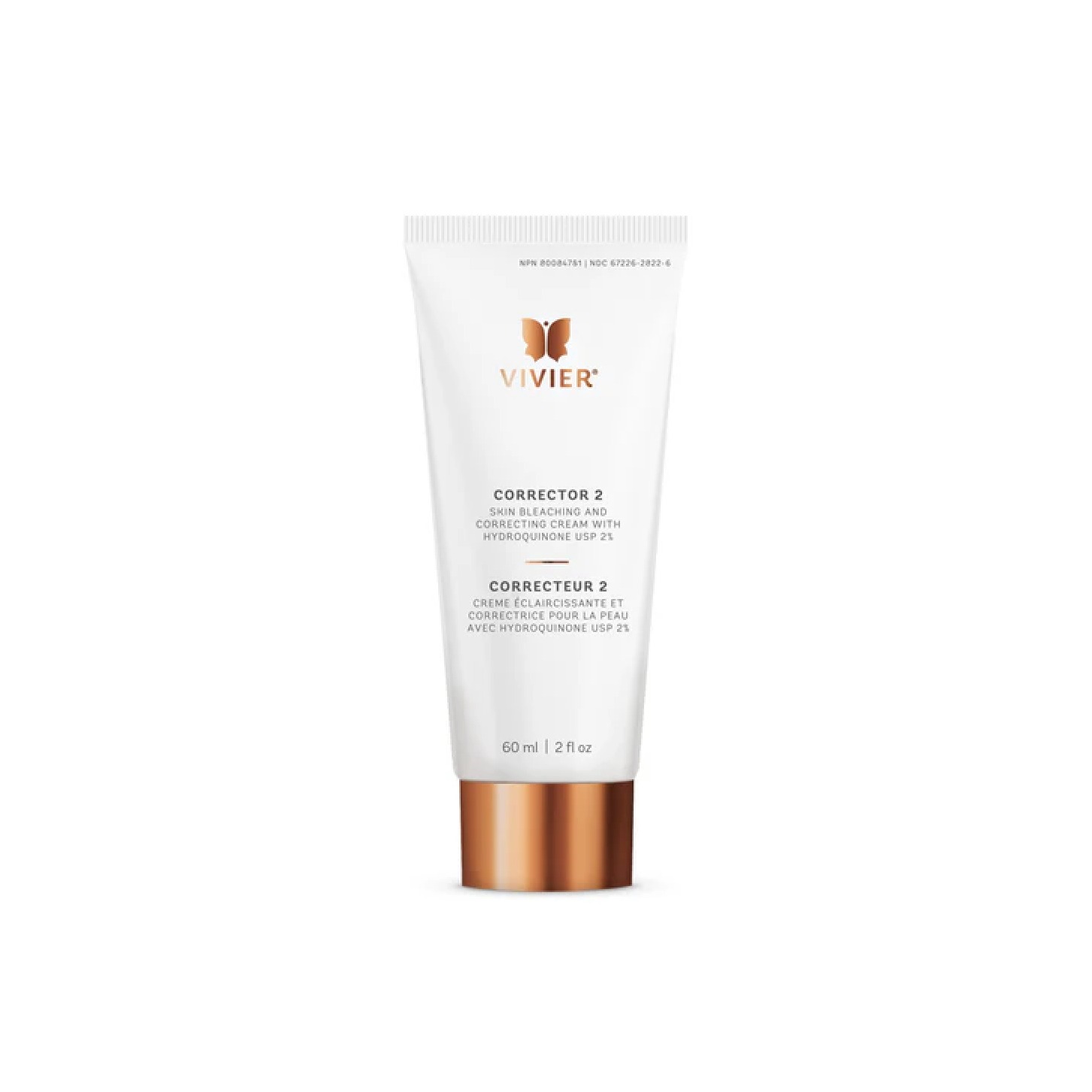
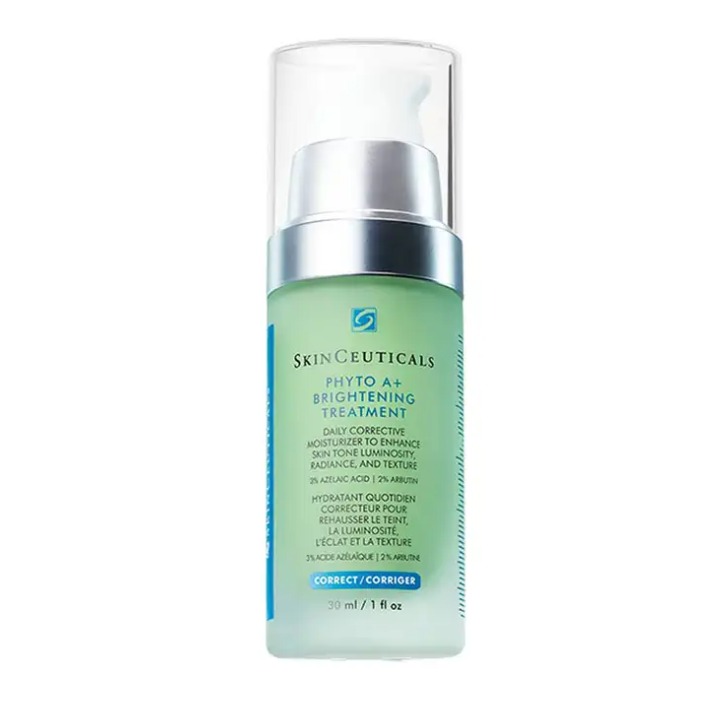
- Evening: a brightening treatment. For mild to moderate unevenness, arbutin and resorcinol serums. For stubborn spots, a short supervised course of 2% hydroquinone, cycled off after twelve weeks.
- Twice weekly: a gentle enzymatic peel at home to keep turnover moving.
- Every day, all year: the sunscreen. Reapply if you are outside.
In clinic
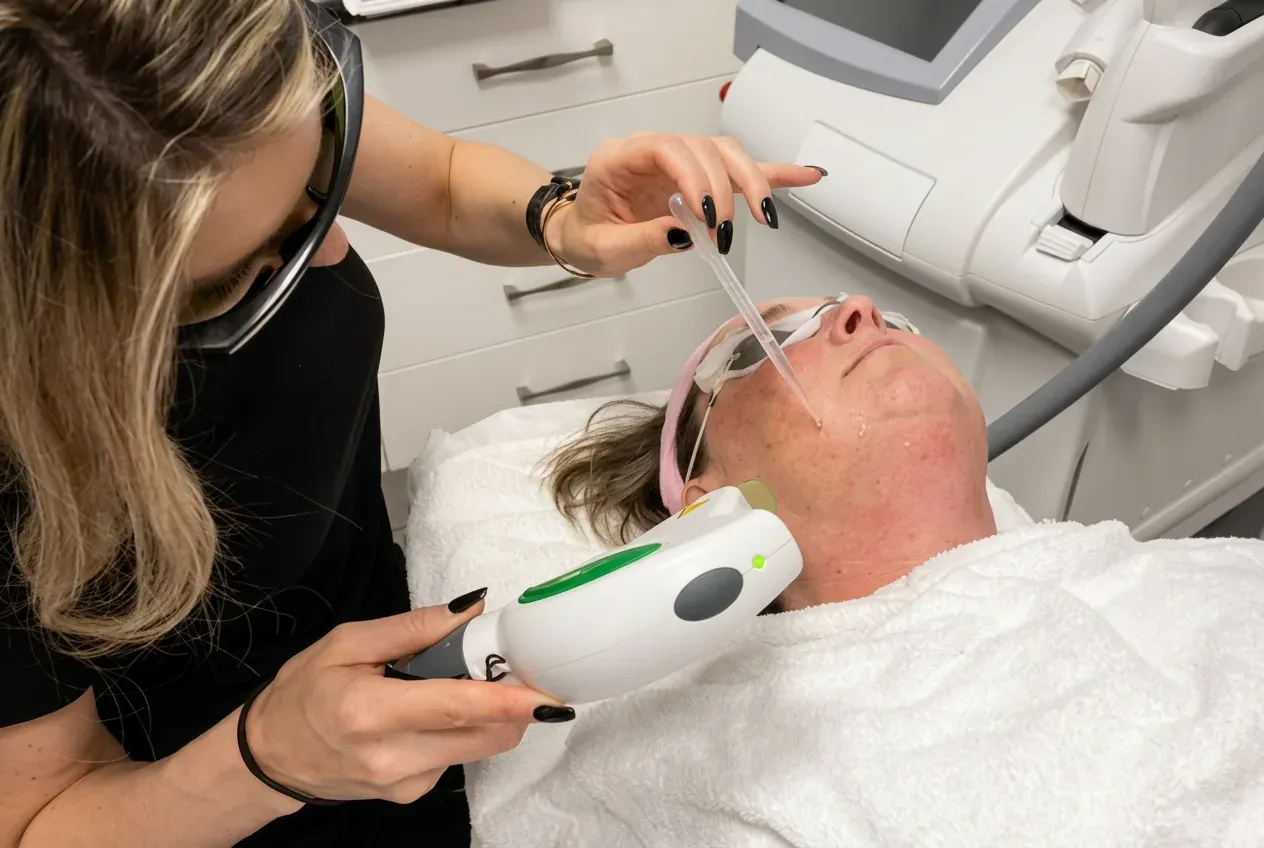
For melasma and post-inflammatory marks we favour a series of medical peels such as the Perfect Derma Peel, which resurfaces without heat and includes brighteners in the formula. For sun damage on lighter skin, IPL or BBL clears spots efficiently. Both are followed by the routine above, because the treatment lifts the pigment and the routine stops it returning.
Where melasma tracks a hormonal change, a physician review of the hormonal picture can be part of the plan.
Questions we hear
- Can melasma be permanently removed?
- Melasma is controlled rather than cured. It fades significantly with peels, brighteners and daily tinted mineral SPF, and it returns if sun protection lapses or the hormonal driver changes.
- Is hydroquinone safe?
- In 2% strength, used in short supervised courses and cycled off after about twelve weeks, it is effective and well tolerated. We alternate it with hydroquinone-free brighteners for long-term maintenance.
- Why does my sunscreen not prevent melasma?
- Most sunscreens block UV but not visible light, which also stimulates melasma. A tinted mineral SPF with iron oxides blocks both, which is why we insist on it for pigment.
Information in this article is educational and not a substitute for medical advice. Individual response varies; what is right for you is confirmed in consultation.