Latisse for Longer Lashes: An Honest Guide From the Clinic That Prescribes It
Latisse is the first prescription treatment for inadequate lashes, with fuller, longer, darker results at sixteen weeks. How it works, how to apply it, the side effects to know, and what happens when you stop.
By Ageless Living Clinical TeamPhysicians, nurses and medical aestheticians across Langley, Victoria and Kelowna
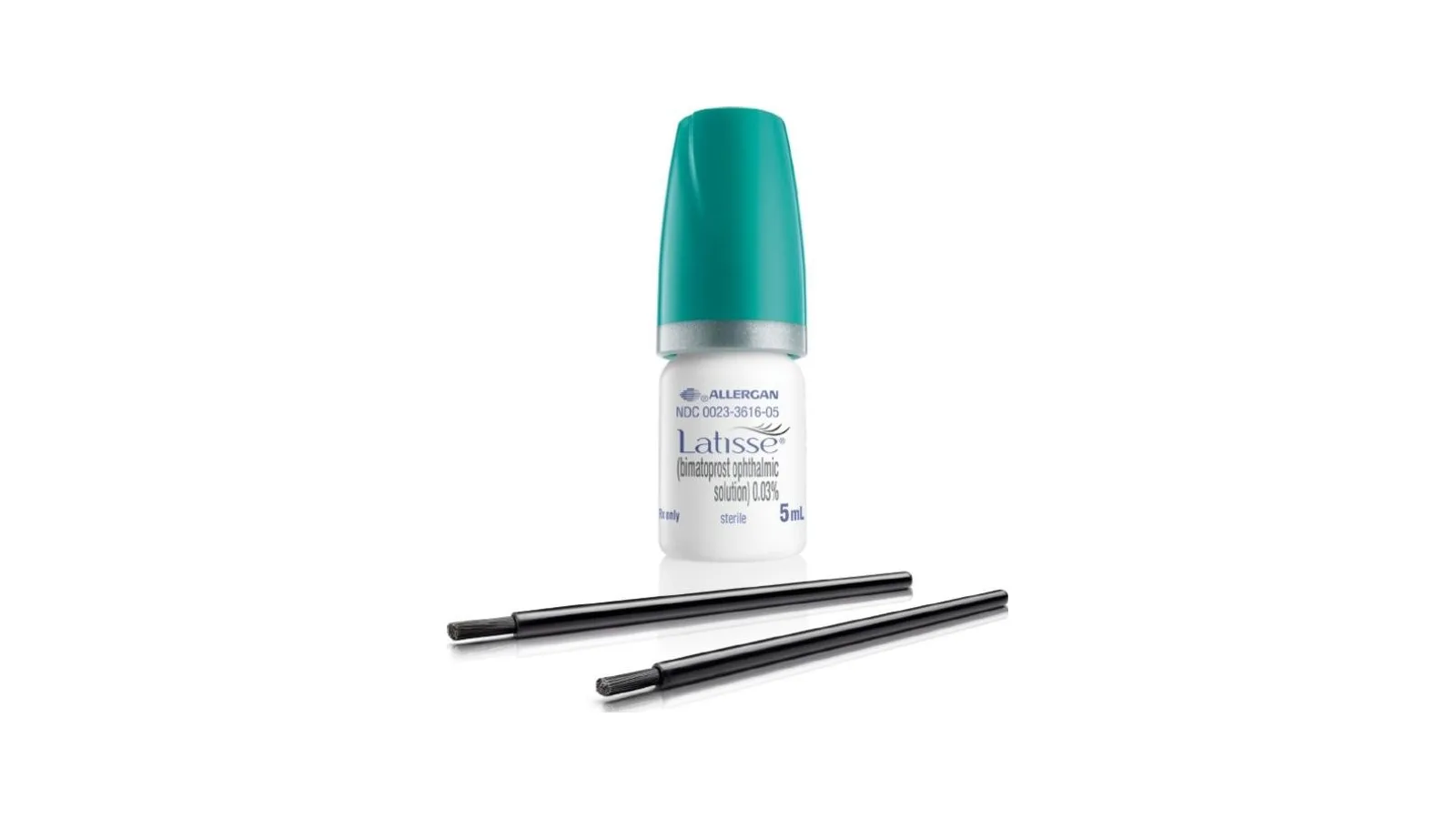
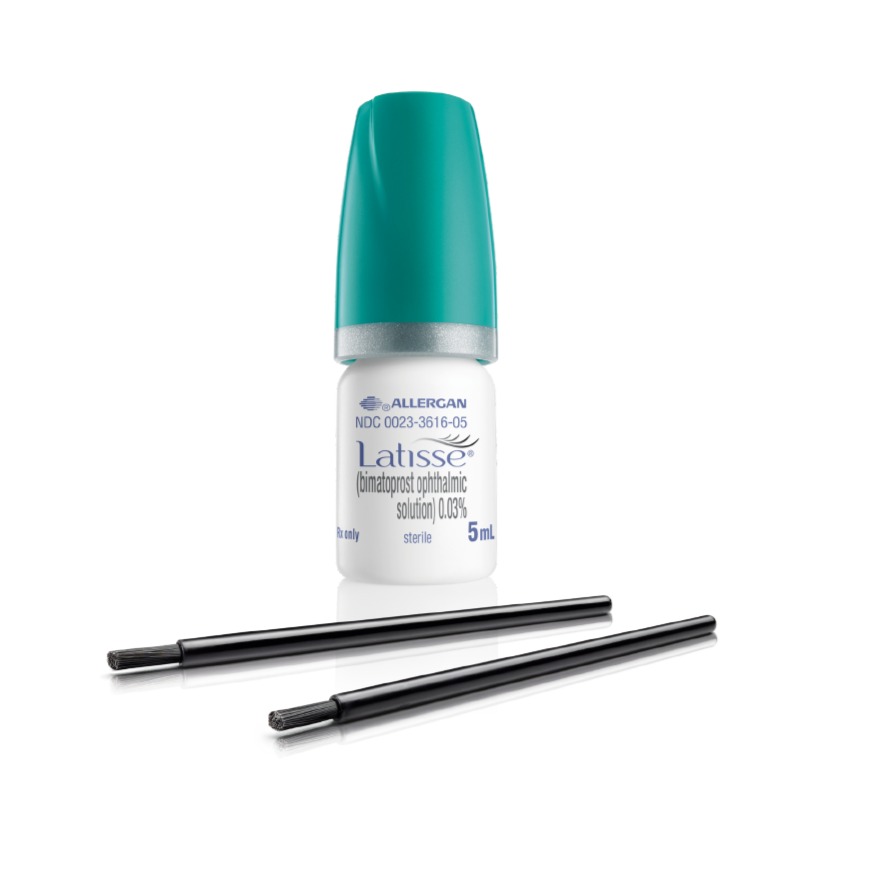
Lash serums are everywhere, and most are conditioners: they make what you have look better. Latisse is different. It is a prescription medication, bimatoprost, originally used for glaucoma, whose lash-growing effect was noticed in patients and then studied properly. It is the first product approved to treat inadequate lashes, and because it is a prescription, it is dispensed through a clinic like ours after a consultation.
How it works
Each lash follicle cycles through growth, transition and rest. Latisse is believed to extend the growth phase and increase the number of follicles in it at once, so lashes grow longer before they shed and more of them are growing at any given time. In clinical studies, lashes were measurably fuller, longer and darker at sixteen weeks, with early change visible around eight.
How to apply it
- At night, on clean skin with contact lenses out and makeup removed.
- One drop on a fresh sterile applicator, drawn along the upper lash line where the lashes meet the lid, like eyeliner.
- Blot any excess. Do not apply to the lower lid; it reaches the lower lashes naturally when you blink.
- A new applicator for each eye, every night. Do not reuse them.
Side effects, honestly
The common ones are mild: itching or redness of the lid, and some darkening of the skin along the lash line, which reverses on stopping. The rare one worth knowing is a permanent increase in brown pigment in the iris, reported mainly in people with hazel or light-brown eyes where the drop reaches the eye itself. Careful application along the lid, not into the eye, is how the risk is minimised, and it is discussed at your consultation.
What happens when you stop
Lashes gradually return to their previous length and fullness over several months as the follicles resume their normal cycle. Most patients move to a maintenance schedule of two or three nights a week once they reach the result they want, which also makes a bottle last considerably longer.
Questions we hear
- How long does Latisse take to work?
- Early change around eight weeks, with the full result at sixteen weeks of nightly use.
- Can Latisse change my eye colour?
- Rarely, and mainly in lighter eyes, it can permanently increase brown pigment in the iris if the drop reaches the eye. Applying it along the upper lid only, and blotting excess, minimises this.
- Do I need a prescription for Latisse in Canada?
- Yes. It is dispensed after a consultation at the clinic, where side effects and suitability are reviewed.
Information in this article is educational and not a substitute for medical advice. Individual response varies; what is right for you is confirmed in consultation.